As the 2026 midterms approach, the credibility of political polling is again under fire. But according to Michael Dimock, president of the Pew Research Center, the problem isn't that polls have become inherently worse. Rather, a confluence of long-standing weaknesses, new technological threats, and a uniquely volatile electoral landscape is making this cycle especially treacherous for anyone trying to read the tea leaves.
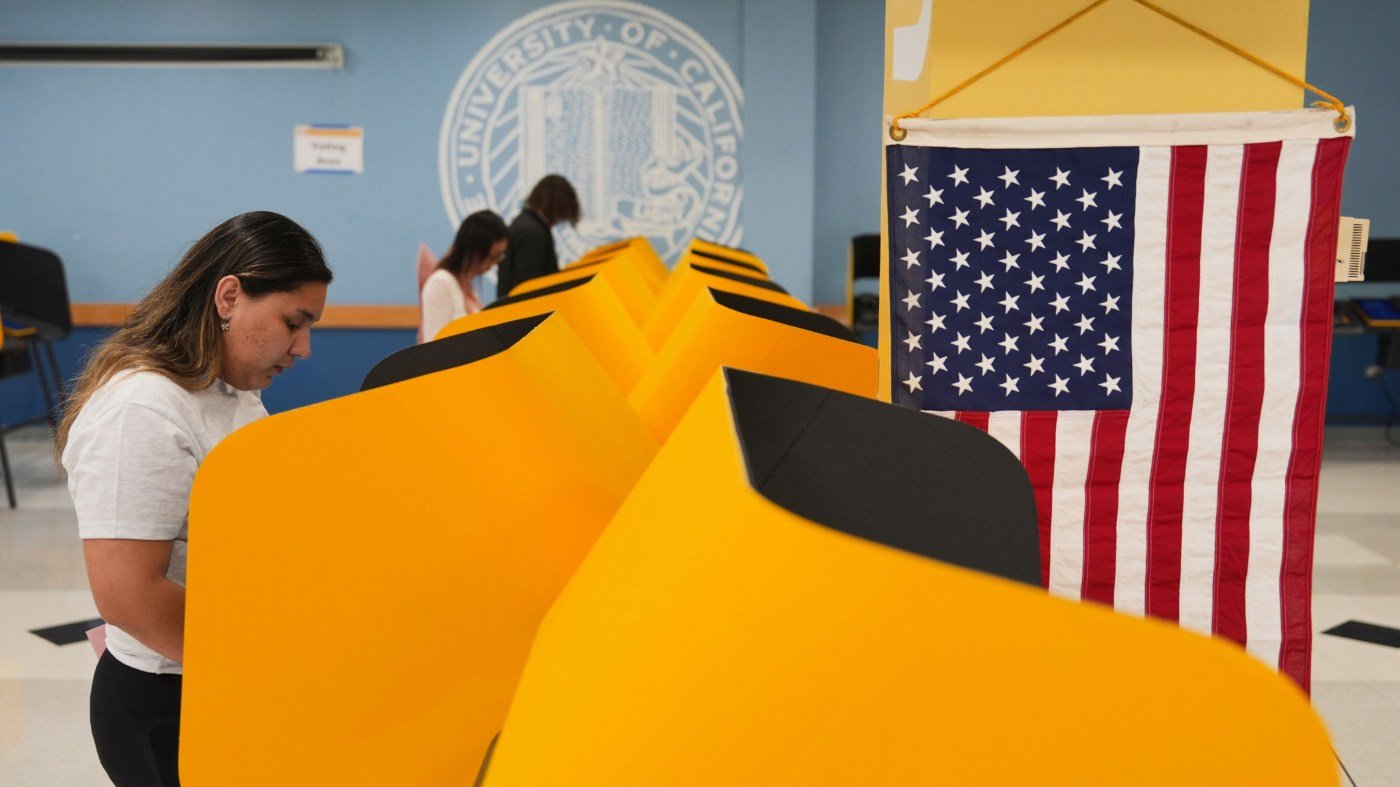
Dimock points first to a perennial issue: polls are far better at measuring public opinion than at predicting who will actually show up to vote. People are notoriously unreliable when asked about their future behavior, often reporting what they hope to do rather than what they'll really do. This gap is even wider in midterms and primaries, where turnout is lower and races are more localized. Yet many consumers still expect a level of precision that polls simply cannot deliver, setting up a cycle of disappointment.
Beyond that, the polling industry has been reshaped over the past decade. The rise of cheap opt-in polls has flooded the field, while the cost of high-quality polling has climbed, leaving fewer reliable surveys, especially at the state and local level. Some opt-in pollsters have improved their methods, but many remain opaque about their techniques. Worse, recent studies have documented a growing problem of “bogus respondents” — AI-driven bots or people paid to take surveys — that can skew results, particularly among Hispanic adults and young voters, groups that could be decisive in November.
This year, three new wildcards add to the chaos. First, “synthetic surveys” that use AI to model public opinion instead of interviewing real people are proliferating. Pew’s research has found these are not reliable substitutes for genuine public opinion. At the same time, some polls are being shared that are entirely fabricated, with no disclosure of their origins.
Second, the mechanics of voting are in flux. Mail-in ballot rules, changes to election laws in several states, and even concerns about voter intimidation could affect turnout in ways that are hard to model. Widespread mid-cycle redistricting has also scrambled voters’ awareness of who is on their ballots. And with fewer incumbents running than in any general election since 1992, the 2026 cycle is particularly unpredictable.
Third, AI and data centers have become hot-button issues that haven’t yet hardened along party lines. That means their electoral impact will vary by locality, depending on whether a data center is planned nearby and what candidates are saying about it. This local variability makes national polling even less reliable as a guide to outcomes.
Dimock warns that this is a “perfect storm” for confusion. Any one of these factors could produce surprises that even the best polls won’t catch. So what should voters do? He advises against putting too much stock in any single poll and being wary of outliers. When evaluating a poll, ask: Who conducted it? Is the organization reputable and transparent about methodology? Does it have a stake in the outcome? Can you be sure it surveyed real people, and if so, which ones? Transparency isn’t a guarantee of quality, but its absence is a red flag.
Most importantly, Dimock says, use polls for what they’re best at: understanding the public mood, the issues on voters’ minds, and what divides or unites the country. Don’t expect them to predict the outcome of a low-turnout primary or midterm with precision. And don’t let one bad poll destroy your faith in polling altogether. Rigorous surveys remain the best window into public opinion, even if they’re not perfect predictors. Without them, we’re left only with politicians claiming to speak for the people.
As the midterms approach, keep these caveats in mind. For more on the political landscape, see voters' frustration over costs and how the midterms could reshape US-Mexico relations. And for a look at early 2028 positioning, check early 2028 primary polls.