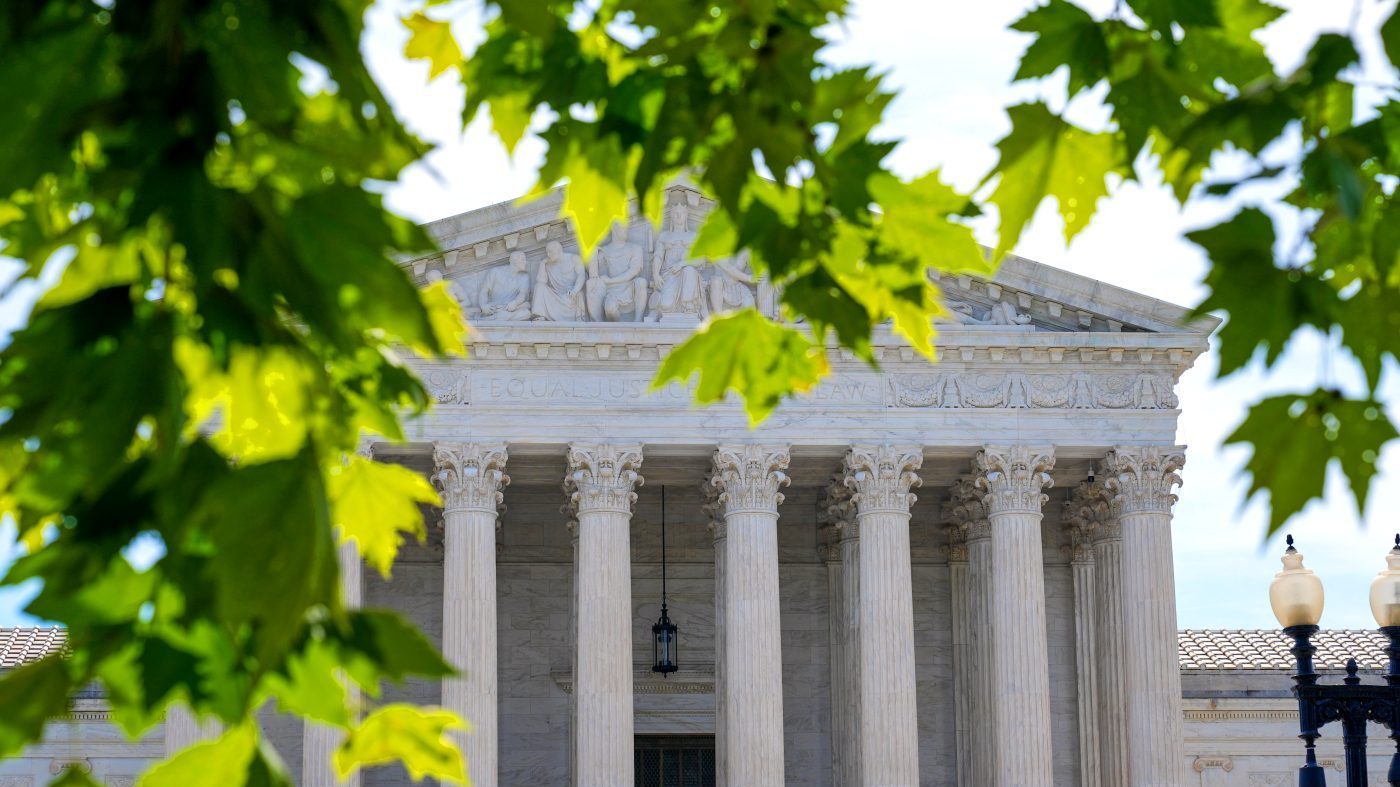
The Supreme Court on Wednesday took up a dispute that could reshape the boundaries of a 1988 privacy statute, as justices grapple with whether it applies to consumers who subscribe to services that are not primarily about video content.
The case originated from a lawsuit against Paramount Global, filed by a subscriber to a college sports newsletter. The plaintiff alleges that Paramount improperly disclosed his video viewing history to Facebook for targeted advertising, in violation of the Video Privacy Protection Act (VPPA).

The central question before the court is whether the VPPA, enacted to prevent the disclosure of rental records, extends its protections to subscribers of any product a company offers, or only to those who subscribe specifically to audiovisual services.
During oral arguments, the justices appeared to wrestle with the statutory language and its application to modern digital platforms. Several justices probed whether the law's definition of a "subscriber" includes someone who signs up for a newsletter that contains embedded video content, even if that is not the primary purpose of the service.
The outcome could have far-reaching implications for online privacy and the scope of future litigation involving digital tracking technologies. A broad reading might expose a wide range of companies to lawsuits over data sharing, while a narrow interpretation could limit the VPPA's reach to traditional video providers.
Legal experts say the decision will also affect how companies interpret consent requirements for data sharing under federal law. The case arrives as Congress has debated updating privacy laws, but no comprehensive federal legislation has passed, leaving courts to interpret older statutes in new contexts.
Observers note that the ruling could influence how the 1988 law applies to modern newsletters and other digital services that incorporate video elements. The justices' decision is expected by the end of the term in June.
The case is one of several privacy-related disputes on the court's docket this term, reflecting the growing tension between consumer protection and technological innovation. The Biden administration has weighed in, urging the court to adopt a middle-ground approach that would protect consumers without imposing undue burdens on businesses.
Oral arguments concluded after about an hour, with no immediate indication of how the court will rule. A decision is anticipated before the summer recess.