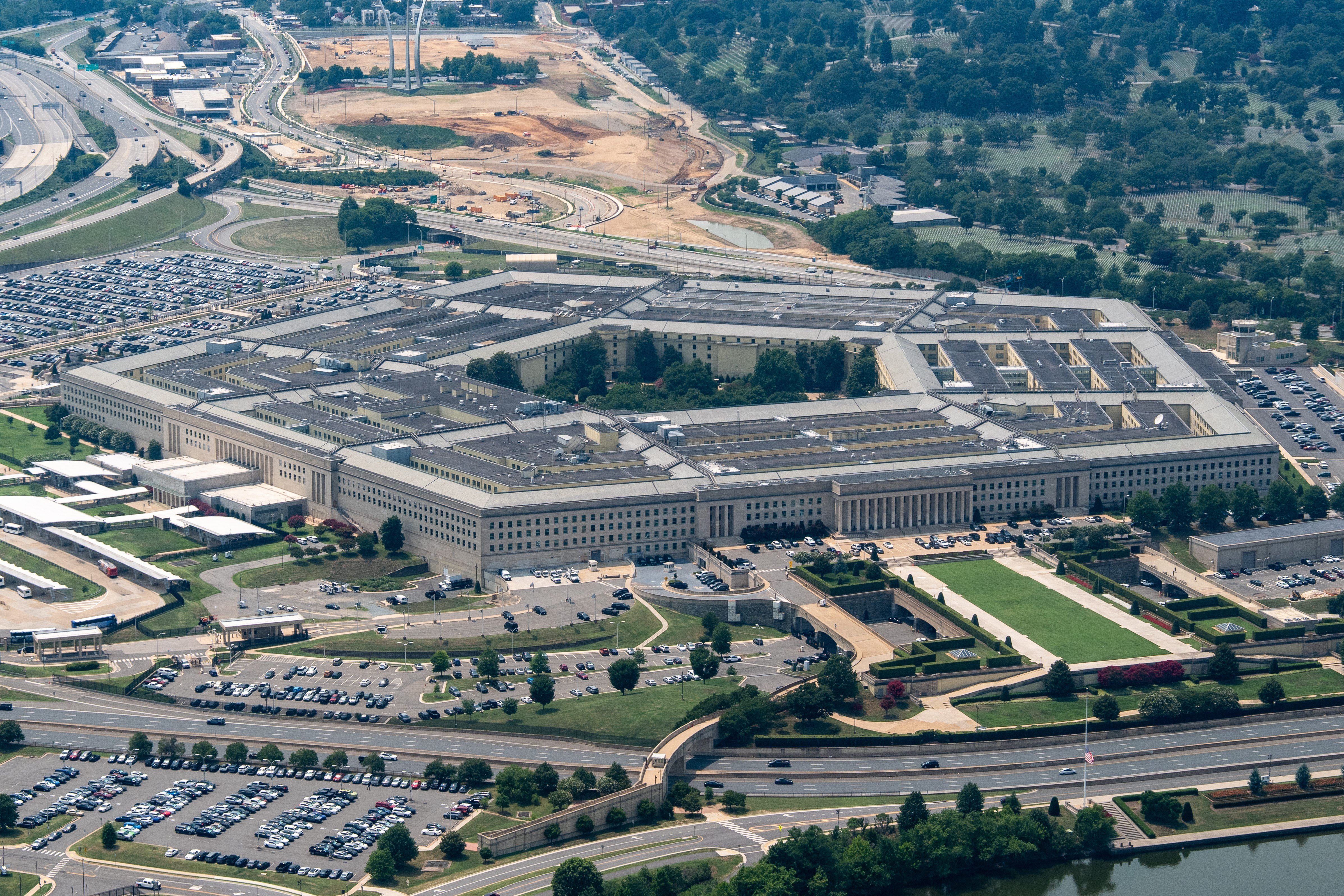
Defense Secretary Pete Hegseth is set to outline the Pentagon's vision for autonomous warfare on Wednesday morning, as the military accelerates modernization efforts during a period of significant leadership turnover.
Hegseth will join acting Army Secretary Adam Telle and acting Navy Secretary Hung Cao at the Association of the United States Army's annual meeting for a panel discussion centered on Project Agincourt, an initiative focused on deploying unmanned systems across the force.

The appearance follows a pledge by acting Army chief of staff Gen. Christopher LaNeve that the service is "sprinting" toward modernization despite recent leadership changes. That commitment was detailed in a prior report on the Army's modernization push.
Hegseth's remarks come as he faces mounting pressure on multiple fronts. The ongoing U.S. military involvement in the Iran conflict has raised questions about cost and strategy, with critics demanding greater transparency from the Pentagon.
Additionally, Hegseth has drawn bipartisan backlash over his proposal to livestream the execution of Nidal Hasan, the convicted Fort Hood shooter. Republican lawmakers have publicly condemned the plan, and some, like Sen. Mark Kelly, have called for his ouster over the idea.
The controversy has also reached the vice president. JD Vance has declined to watch the execution if it's livestreamed, while Sen. Jon Ossoff has described Hegseth as "deeply unwell" over the proposal, according to earlier reporting.
Despite the distractions, Hegseth is expected to emphasize the strategic importance of autonomous systems, arguing that they represent a critical edge in modern warfare. The discussion at the AUSA meeting is scheduled to begin at 10 a.m. EDT and will be streamed live.
Modernization Amid Turmoil
The Pentagon's push for autonomous warfare comes as the military grapples with leadership instability. Acting officials have stepped into key roles, and the administration has signaled a desire to overhaul procurement processes to speed up the deployment of new technologies.
Defense analysts note that Project Agincourt is part of a broader effort to integrate drones, robotic vehicles, and AI-driven decision-making into combat operations. The project aims to reduce risks to personnel while increasing operational effectiveness in contested environments.
However, the cost of the Iran war remains a lingering concern. Hegseth has not provided detailed figures on the financial toll, but lawmakers from both parties have pressed for a clearer accounting. The issue is likely to surface in questions following his remarks.
What to Watch
Observers will be watching whether Hegseth addresses the execution controversy directly or deflects to focus on military innovation. His handling of the topic could shape his political standing and the Pentagon's relationship with Congress.
The AUSA meeting provides a platform for Hegseth to project stability and forward momentum, even as internal and external pressures mount. The live stream begins at 10 a.m. EDT.