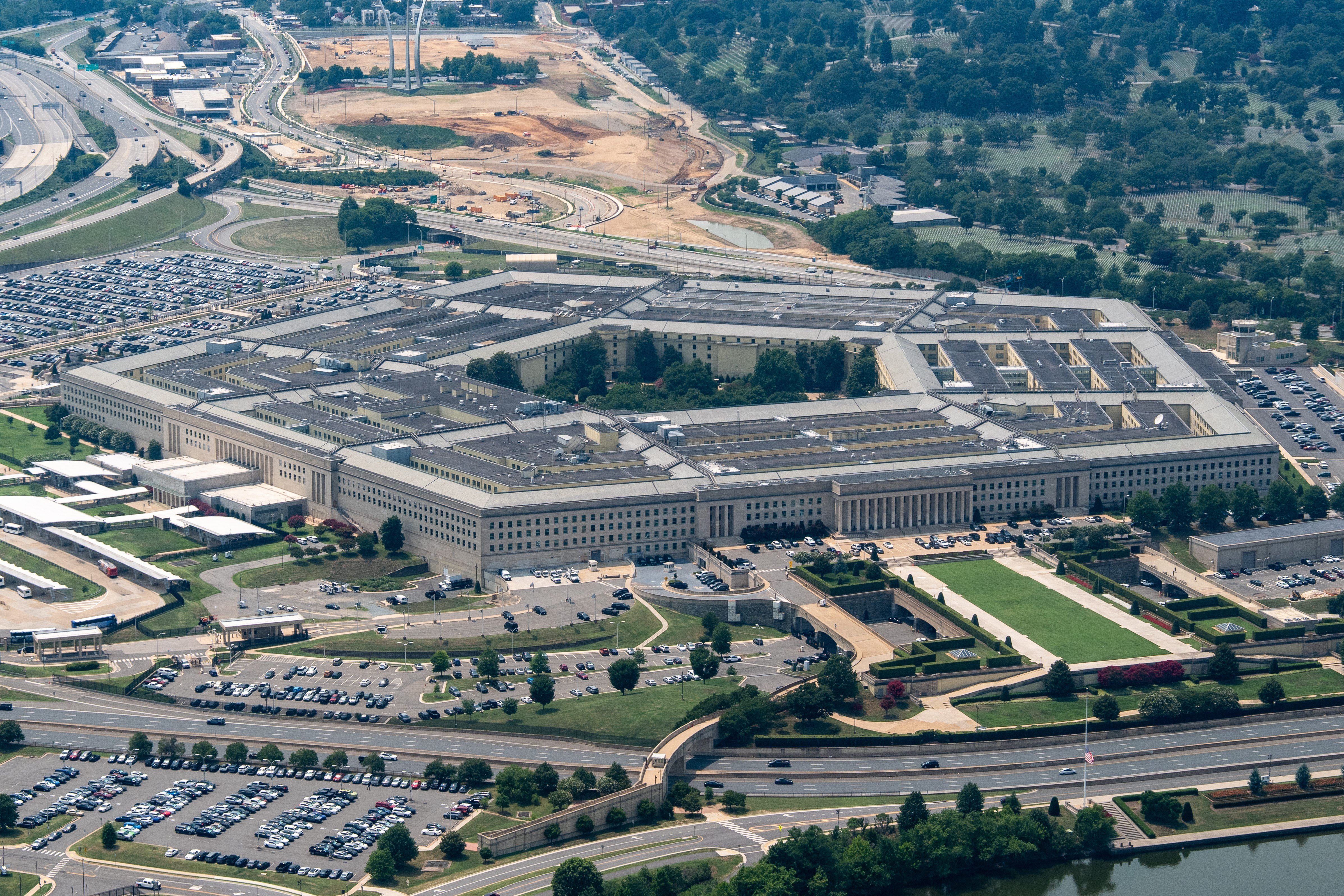
The Pentagon has installed a senior public affairs officer as the acting publisher of Stars and Stripes, a move that comes just weeks after it dismissed three staffers from the storied military publication over allegations of insubordination.
Chris Devine, a former Marine Corps colonel who most recently served as the executive director for public affairs policy within the Department of Defense, will take the helm of the newspaper, according to a statement from Pentagon chief spokesperson Sean Parnell.

Parnell touted Devine's credentials, saying he brings "unmatched expertise, strategic vision, and a commitment to ensuring Stars and Stripes maintains editorial independence while delivering exclusive, mission-focused reporting that directly serves America's warfighters and their families." In his interim role, Parnell added, Devine will provide "decisive leadership to modernize Stars and Stripes and to strengthen its mission."
The appointment has reignited questions about the paper's autonomy, given that Stars and Stripes is owned and partly funded by the Pentagon but has historically operated with an independent editorial voice. Devine, however, insisted he is committed to preserving that separation. "I am confident that Stripes can modernize its platform to prioritize original reporting and content that is relevant and unique to the U.S. military community and not typically covered by commercial media," he told Stars and Stripes.
The shakeup comes on the heels of the August dismissal of publisher Max Lederer, Editor-in-Chief Erik Slavin, and reporter Lara Korte. The Pentagon directed Lederer to hand termination notices to Slavin and Korte, accusing them of insubordination tied to comments made during a CBS Sunday Morning interview. The three have since filed a federal lawsuit, alleging the firings violated DOD personnel rules and the First Amendment.
Earlier this year, the Pentagon also ousted the newspaper's ombudsman, Jacqueline Smith, who was responsible for monitoring editorial independence and reporting concerns to Congress. She has also sued over her removal.
These personnel moves are part of a broader effort by the Pentagon to steer Stars and Stripes toward a focus on "warfighting" and away from what officials have described as "woke distractions." The department has also named Navy Capt. William Urban as deputy publisher, a decision that has drawn criticism from some Democratic lawmakers.
On the same day as the firings, the Pentagon issued new guidance for Stars and Stripes, reaffirming that the outlet will maintain "editorial operations independent of the military chain of command, military public affairs activities, or other external influences, free from censorship or propaganda." However, the guidance also requires the paper to "safeguard information by preventing the disclosure of classified information and controlled unclassified information and by avoiding the publication of material that would adversely affect national security or clearly endanger U.S. personnel."
The developments have intensified debate over the Pentagon's role in shaping coverage of the armed forces, with critics warning that political interference could erode trust in a publication that has served U.S. troops for over 150 years. Related concerns have emerged in other areas, such as the Pentagon's plans to livestream a military execution, which have sparked bipartisan backlash. Meanwhile, the administration's broader approach to government oversight has drawn scrutiny, including lawsuits over contract cancellations at other agencies.