Fresh government data released Wednesday show that consumer prices accelerated in September, breaking a two-month stretch of steady inflation. The Bureau of Labor Statistics reported that the consumer price index climbed 0.6% for the month, bringing the annual rate to 3.7%—up from 3.4% in August.
The increase was slightly steeper than the 0.5% monthly gain and 3.6% year-over-year reading that economists had penciled in, according to the Federal Reserve Bank of Cleveland's Nowcast model.
Energy Prices Dominate the Rise
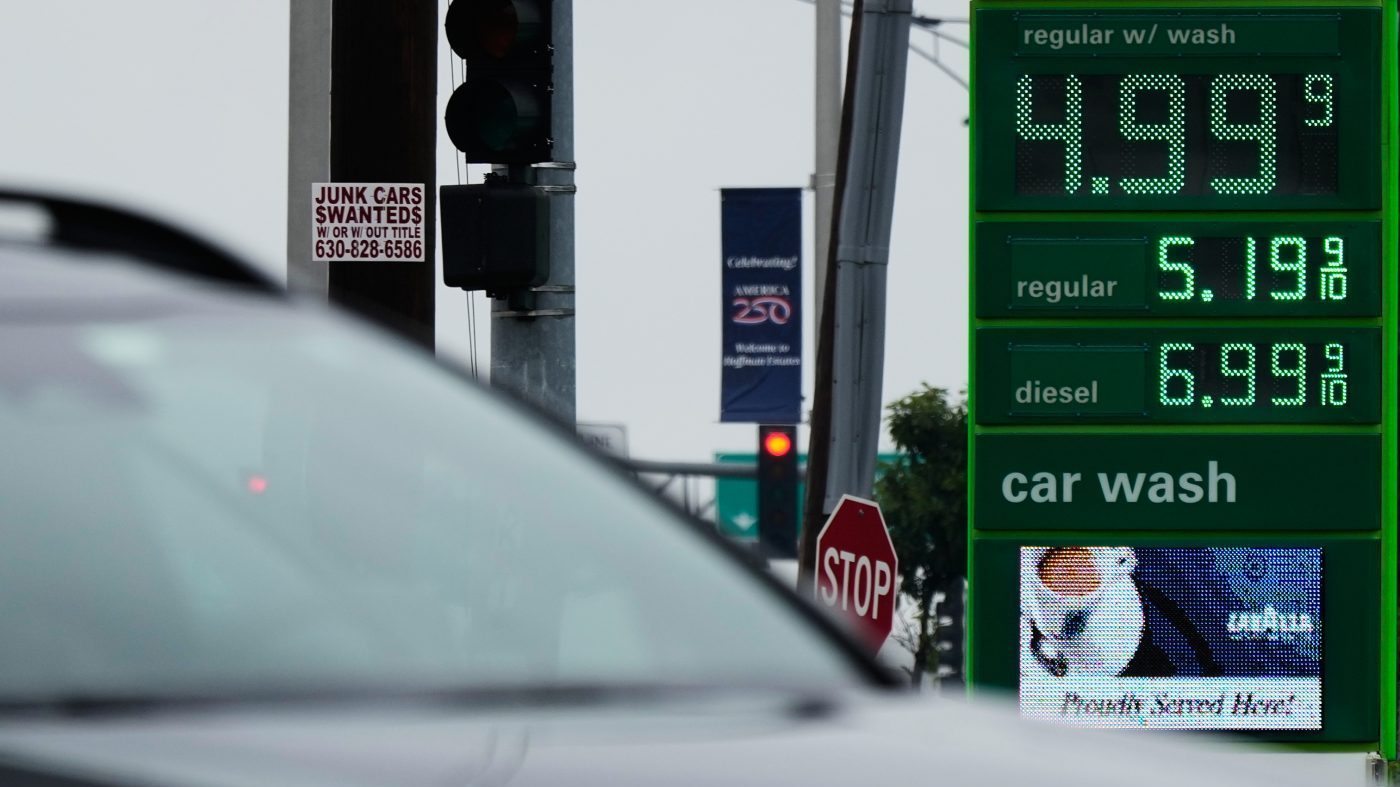
Gasoline prices jumped 9.1% in September, accounting for more than half of the overall monthly increase. Energy costs as a whole rose 5.2% last month, following a 2.1% gain in August. The surge reflects ongoing supply concerns tied to the conflict in the Middle East, with President Trump's attempts to bring down fuel prices having little effect so far.
According to AAA, a gallon of regular gas averaged about $4.33 on Wednesday morning—up from $2.98 just before the U.S.-Israel military campaign began. Diesel prices have also climbed sharply, now averaging $6.30 per gallon, a jump of roughly $2.41 compared to a year ago.
Fed Faces Tough Call
The inflation report lands just two weeks before the Federal Open Market Committee decides whether to raise interest rates again. Last month, the FOMC increased its benchmark rate by a quarter point, pushing the target range to 3.75%–4.00%, in an effort to bring inflation back to its 2% goal.
Since that vote, several Fed officials have signaled that additional tightening may be necessary. The committee's own quarterly projections showed 16 of 18 members expecting at least one more hike this year.
Cleveland Fed President Beth Hammack, a voting member of the FOMC, said Monday that persistent price pressures could “require a more restrictive policy.” She pointed to energy shocks, tariffs imposed by the Trump administration, and the massive buildout of artificial intelligence infrastructure as key drivers of inflation.
“Because of the breadth of inflationary pressures, my baseline forecast is that it will take some time for inflation to return to 2 percent, even with appropriate monetary policy,” Hammack said at the National Association of Business Economics annual meeting.
Other Fed leaders have urged patience. Vice Chair Philip Jefferson said earlier this month that officials will be “carefully examining trends in the data, the evolving outlook and the balance of risks.”
Market participants are not fully convinced the Fed will move again in October. The CME FedWatch tool shows traders pricing in a 78.4% probability that the central bank holds rates steady at its upcoming meeting.
Additional Data on the Way
The FOMC has also been digesting the latest personal consumption expenditures (PCE) price index, the Fed's preferred inflation gauge. Annual PCE inflation eased from 3.7% in July to 3.4% in August. The Bureau of Economic Analysis will release fresh PCE numbers on Oct. 29, one day after the Fed's rate decision.
The September jobs report, which showed a slowdown in hiring and a slight uptick in unemployment, adds another layer of complexity. Meanwhile, OPEC+ has kept oil output steady, suggesting energy prices may remain elevated. Voter frustration over rising costs is also evident in recent polling, with most Americans saying lawmakers are out of touch on monthly expenses.