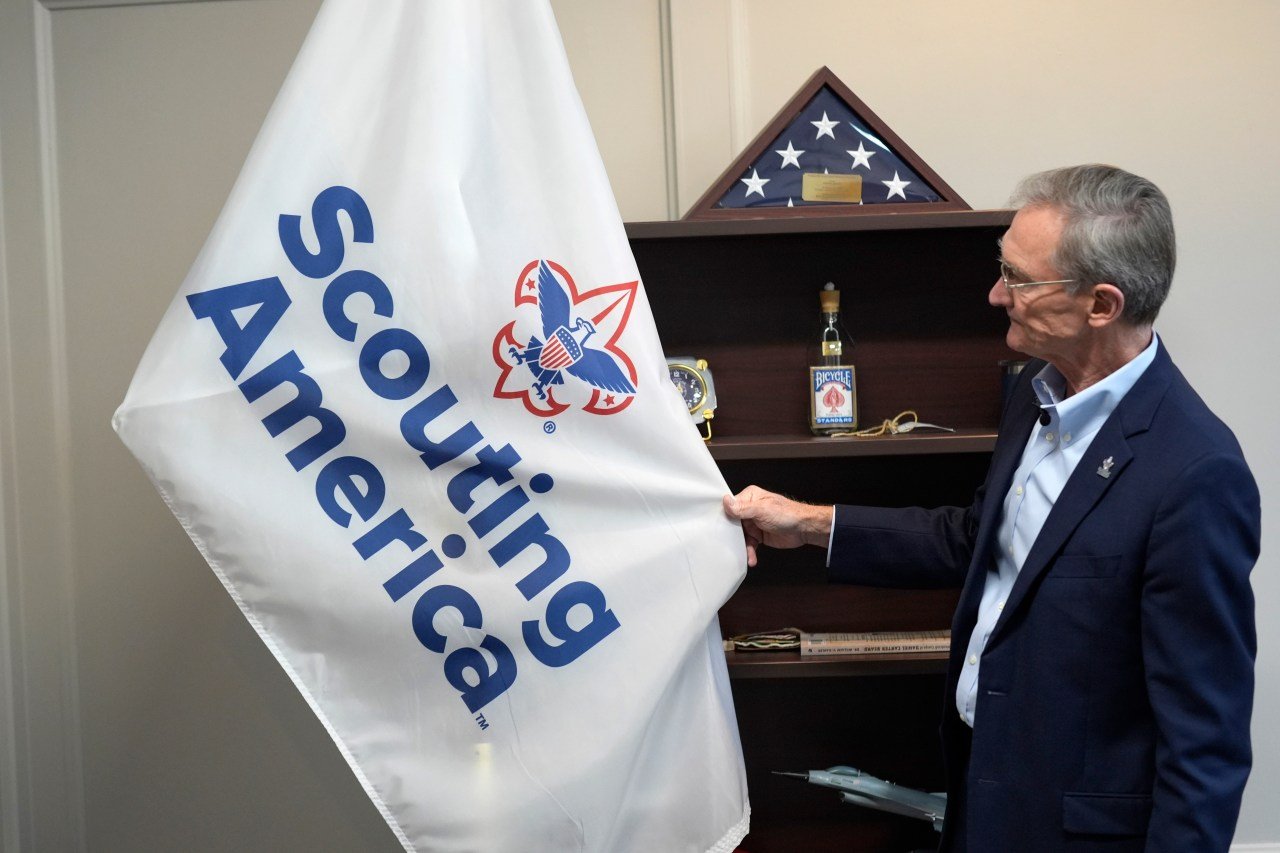
The National Jamboree, one of Scouting America's flagship events, has quietly dropped dedicated meeting areas for gay youth, women, and scouts of color, a move that comes as the organization bends to pressure from the Pentagon to scale back its diversity programs. The 10-day gathering, which wraps up Friday in the mountains of West Virginia, has drawn roughly 15,000 participants this year.
The changes reflect a broader shift within Scouting America since Defense Secretary Pete Hegseth targeted the organization over what he calls "woke" policies. Hegseth had threatened to end the military's century-old partnership with the group unless it refocused its priorities away from diversity initiatives. The organization, formerly known as the Boy Scouts of America, rebranded in 2024 to signal a commitment to inclusion and to accommodate the growing number of girls in its ranks.
Samuel J. Aronson, an assistant scoutmaster who has organized inclusive events at previous national gatherings, said the removal of these spaces undermines the core promise of scouting. "Scouting fundamentally is a safe place for young people to have fun," he said. "In the absence of these spaces, we're denying all that, both the safety and the fun, to thousands of young people."
A Scouting America spokesperson said the organization remains "fully committed to welcoming and serving all youth," but did not respond to questions about the specific changes to the jamboree.
Pentagon deal and its fallout
The Pentagon and Scouting America reached an agreement in February, but the two sides have offered conflicting accounts of what was promised. The six-page memorandum outlining the deal was obtained this month by James Dale, a gay rights activist who was expelled from the Boy Scouts in the 1990s and later won a landmark discrimination lawsuit. Dale filed a lawsuit to force disclosure, arguing that the public had a right to know the terms.
The memo specifies how the Pentagon will monitor compliance, including "periodic touchpoints and meet" between officials of both organizations. Dale, who now views the arrangement as coercive, said the Pentagon is acting like a bully. "They basically have their thumb on the organization, threatening them under constant pressure," he told the Associated Press.
The military's relationship with scouting is long-standing, with the Pentagon providing logistical support for the jamboree and some troops meeting on or near military bases. A Pentagon spokesperson pointed to Hegseth's earlier comments when asked about implementation of the deal. In February, Hegseth posted a video vowing to "vigorously review" Scouting America's changes and warned that the military would cut ties if the organization didn't comply by late August.
Scouts react with disappointment
For some scouts, the shift is a painful reversal. John Andrew Segebarth, a 21-year-old Eagle Scout and college student, had planned to staff the space for LGBTQ+ and Allied Scouts at this year's jamboree. Segebarth, who is gay and was elected by peers as a national officer in 2024, said the removal of inclusive areas contradicts the values Scouting America once championed. "Scouting's kind of walking back on its values that they told me they believed in," he said. He and Aronson both decided not to attend this year.
Layla Grace, a 21-year-old assistant scoutmaster who is transgender, said the community tent at a previous jamboree was the first place she could speak openly about her identity. She had planned to staff the LGBTQ+ space this year but almost didn't come when it was canceled. She ultimately decided to attend to help others and ended up volunteering in an area focused on mental health, food security, and education.
Grace is now trying to fill the void herself. "I am wearing so many rainbows on me," she said, noting her nails are painted with the lesbian flag on one hand and the transgender flag on the other. "I am being as loud as I can to do my best to hopefully make up for the lack of community spaces."
The controversy comes as the Pentagon faces broader scrutiny over its handling of emerging defense challenges and lapses in response to recent attacks. Hegseth's hardline stance on diversity in scouting mirrors his broader push to purge the military of what he views as ideological initiatives.
As the jamboree concludes, the long-term impact on Scouting America's reputation and membership remains uncertain. Some scouts who backed out say they are mourning the loss of spaces that made them feel accepted. Others, like Grace, are determined to keep the spirit of inclusion alive, even without official sanction.