Congressional hearings were designed to serve two essential functions: educate the public and arm lawmakers with the information they need to legislate effectively and hold the executive branch accountable. In recent years, however, they have devolved into partisan theater, where witnesses from the administration launch personal attacks instead of answering legitimate questions, and committee chairs from the majority party look the other way.
The result is a breakdown in the system of checks and balances that the Founders envisioned. With Republicans now controlling both Congress and the White House, the incentive to restore order appears minimal, as partisan advantage trumps institutional integrity and the public's right to know.
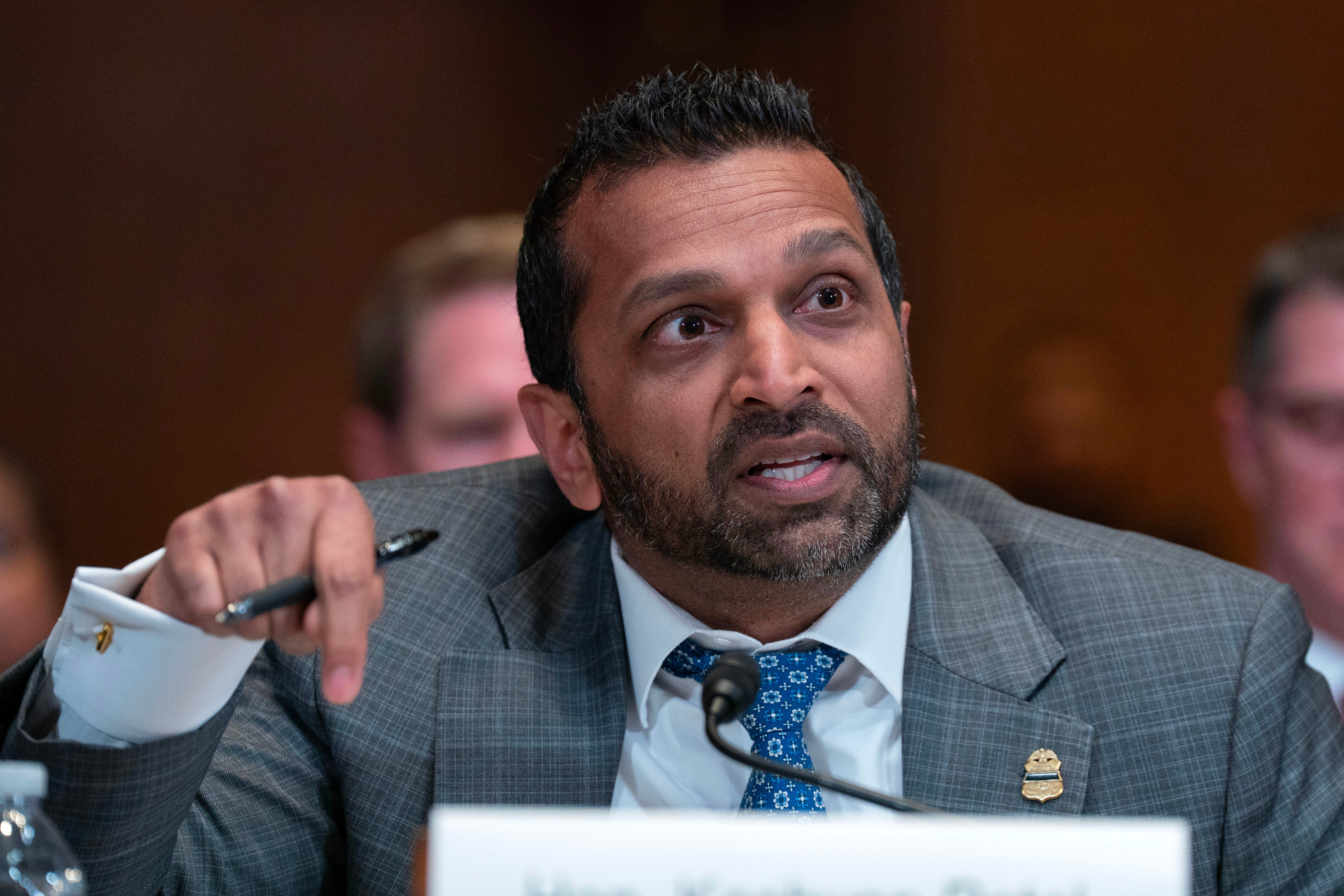
FBI Director Kash Patel's recent appearance before the Senate Judiciary Committee is a case in point. Chairman Chuck Grassley (R-Iowa) opened the hearing with praise for Patel, accusing previous administrations of conducting "secret, insidious, and downright evil operations," and warning that Democrats would "personally attack you, [and] question your ethics, your truthfulness and your abilities." Ranking Democrat Dick Durbin (D-Ill.) responded by calling Patel "the least qualified and most partisan FBI director in our nation's history."
The hearing quickly descended into acrimony. When Sen. Peter Welch (D-Vt.) asked Patel about election integrity, Patel accused him of "lying about the men and women of the FBI." When Welch pressed him to pledge not to interfere with the midterms, Patel dismissed the question as a "charade of lies" and a "campaign ad," and bizarrely demanded to know how Welch's wealth had supposedly "increased 4,000 percent" since he entered the Senate. A Reuters photograph later revealed Patel had come prepared with typed bullet points attacking at least one Democratic senator.
Democrats responded with outrage, sometimes justified, sometimes excessive. Sen. Cory Booker (D-N.J.) called Patel a "thug," an "incompetent lackey," "an embarrassment to the agency," "a disgrace," and "a mockery," to which Patel shot back, "you are the biggest mockery in the United States Senate."
This pattern is not confined to Patel. Attorney General Pam Bondi has repeatedly dodged questions on matters ranging from the Epstein files to the prosecution of former FBI Director James Comey. In testimony before the Senate Judiciary Committee, she accused Sen. Richard Blumenthal (D-Conn.) of lying about his military record, Sen. Mazie Hirono (D-Hawaii) of supporting antifa, and Sen. Sheldon Whitehouse (D-R.I.) of taking inappropriate campaign contributions. At a House Judiciary Committee hearing, she called ranking Democrat Jamie Raskin (Md.) a "washed-up loser lawyer" when he objected to her wasting Democrats' time. Defense Secretary Pete Hegseth, HHS Secretary Robert F. Kennedy Jr., and former Homeland Security Secretary Kristi Noem have shown similar combativeness.
The hostility is compounded by a sharp decline in the frequency of administration witnesses appearing before Congress. The Senate Foreign Relations Committee held only 24 hearings with Biden administration witnesses in 2021; last year, it held just two with Trump administration witnesses. House Foreign Affairs appearances fell from 47 to 12. This year, Trump officials are stonewalling Congress on the war in Iran.
Congress bears some responsibility for this erosion. Lawmakers deliver speeches disguised as questions, trade insults with witnesses, and grandstand for social media. Committee chairs tolerate evasive and insulting responses, despite repeated complaints from the minority. Under Trump, chairs appear to value alignment with the administration over protecting Congress's institutional prerogatives.
The remedies are available: subpoenas, contempt proceedings, and rulings that compel witnesses to answer pertinant questions. But in today's hyperpartisan climate, the will is lacking. Until that changes, hearings will continue to be a circus, and the public will remain in the dark.