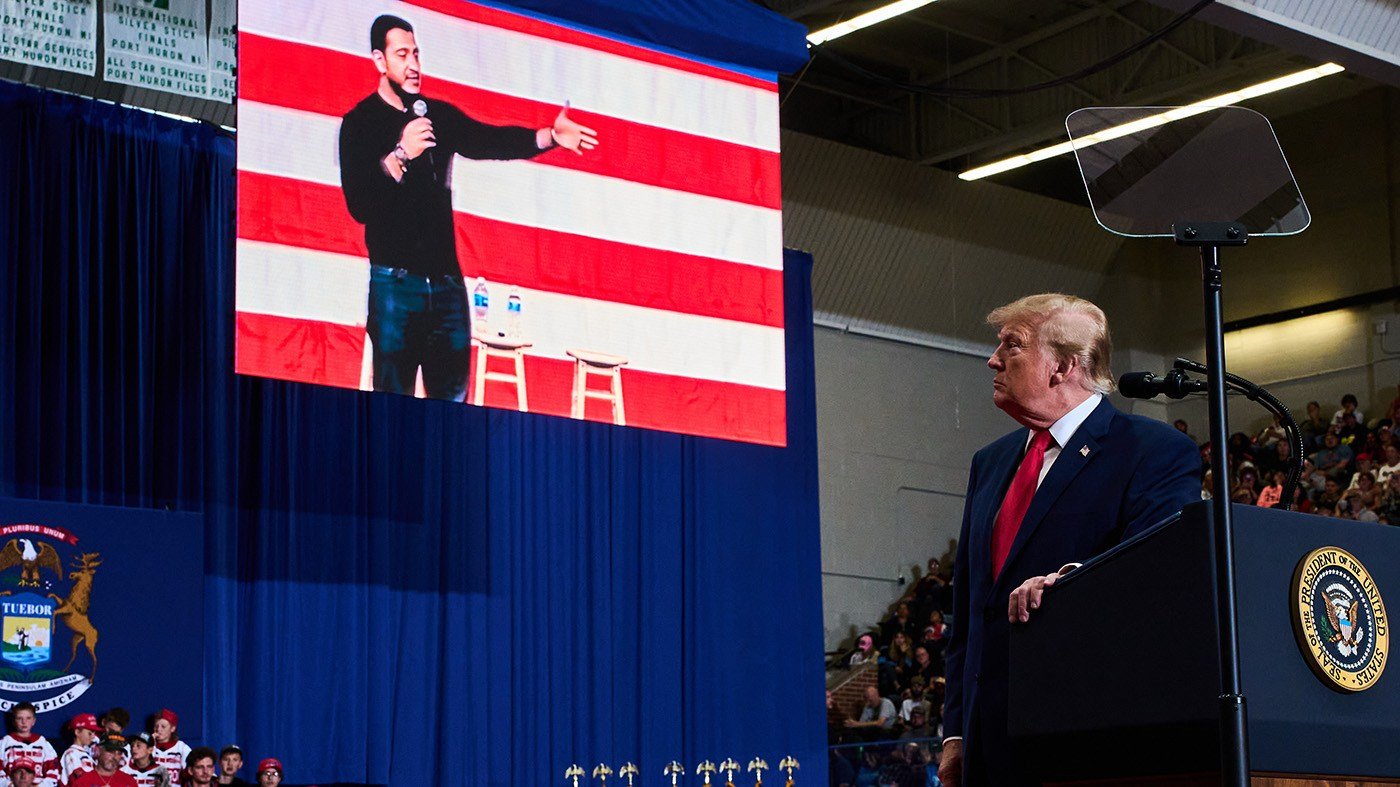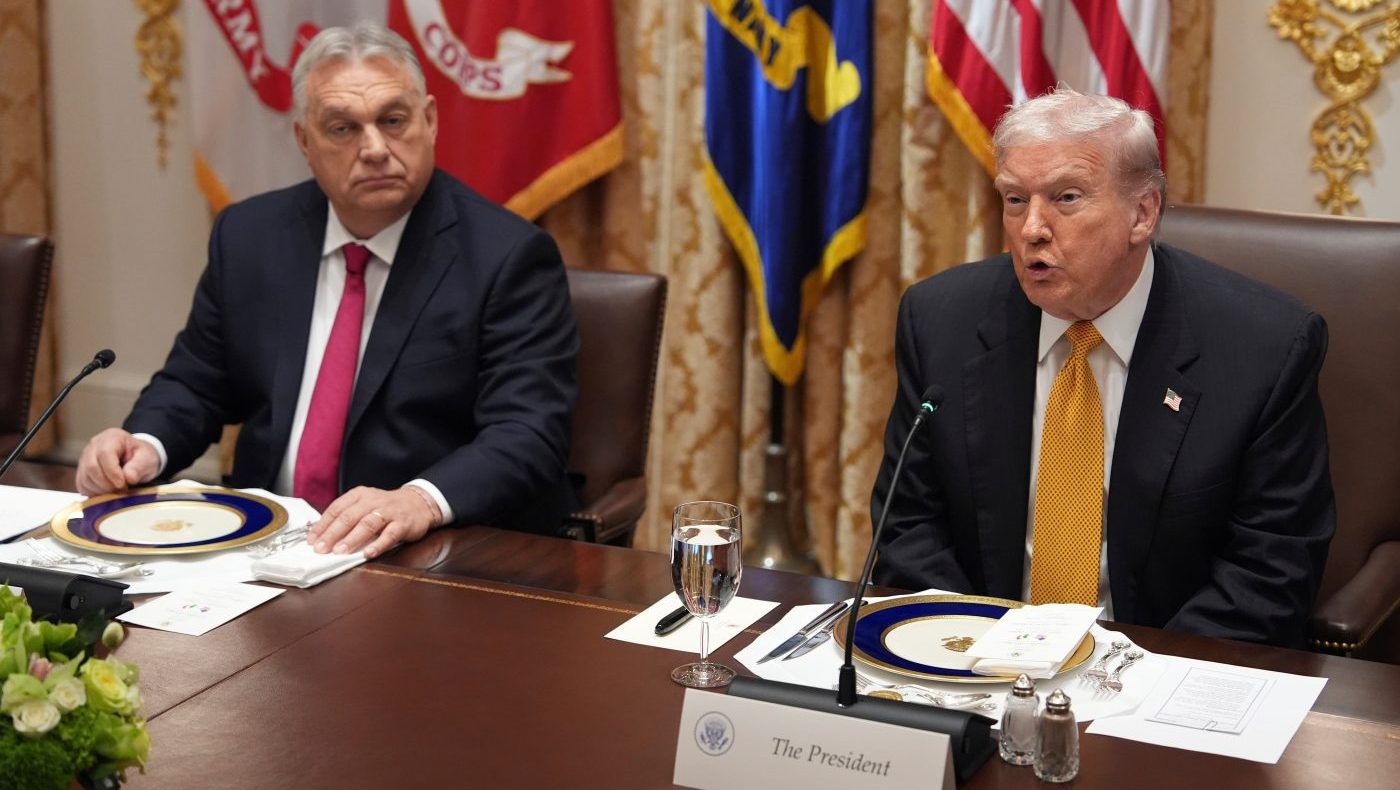
The decisive electoral defeat of Hungarian Prime Minister Viktor Orbán has triggered a visible split within the Republican Party, revealing competing visions for America's role in Europe and its relationship with right-wing populist movements abroad. The loss ends Orbán's 16-year tenure and represents a significant setback for former President Donald Trump, who had cultivated the Hungarian leader as a key ideological ally.
Administration's Failed Gamble
In a move that underscored the political investment in Orbán's survival, Vice President J.D. Vance made a last-minute campaign trip to Budapest to rally support for the incumbent. The effort, detailed in a recent report on Vance's defense of his visit, failed to prevent a landslide victory for center-right challenger Péter Magyar and his Tisza Party. The outcome delivers a direct blow to the Trump-Orbán alliance and has been celebrated by European leaders seeking a more cohesive NATO stance against Russian aggression.
Republican Reactions: From Celebration to Mourning
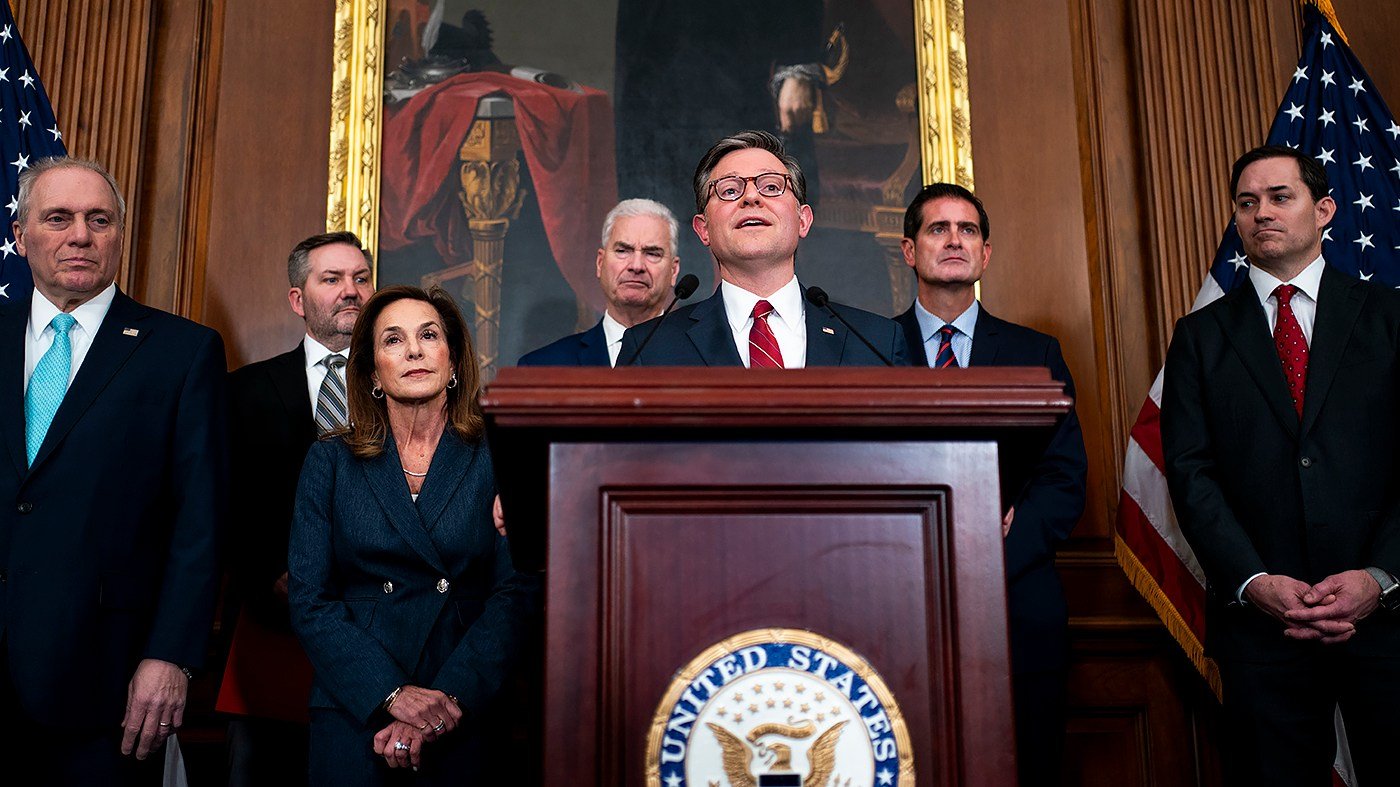
The GOP response has been starkly divided. Senators Rick Scott (R-Fla.) and Thom Tillis (R-N.C.) publicly congratulated Magyar, framing his win as a rejection of Moscow's influence and a boon for transatlantic relations. "The Hungarian people have chosen freedom by rejecting Putin and standing with their western allies," Scott stated, while Tillis called the outcome a victory for "democracy and NATO prevailing over... support for autocracy."
In contrast, Senator Mike Lee (R-Utah) provocatively suggested offering Orbán asylum in the U.S., and Vance expressed sadness over the result, acknowledging he knew "there was a good chance" Orbán would lose. This internal conflict mirrors other policy divisions rattling the Republican party as it navigates its direction.
Strategic Critique from McConnell
Senate Minority Leader Mitch McConnell offered a pointed critique of the administration's approach, arguing that American interests were poorly served by heavily backing a foreign candidate. "It is hard to understand how some on the American right thought that staking U.S. influence on the outcome of a parliamentary election in a small, central European country was putting America's interests first," McConnell wrote. He emphasized that Orbán's "fealty to Moscow" and ties to adversarial governments did not align with American values or strategic goals.
Underlying Ties and Political Calculus
The U.S. political right's long-standing connection to Orbán's government, including events held by the Conservative Political Action Conference (CPAC) in Hungary, has come under new scrutiny. Magyar has claimed the previous government used taxpayer funds to support the U.S.-based group. Analysts suggest the Republican split reflects differing priorities: a foreign policy focus on countering Russia versus an ideological admiration for Orbán's domestic populist policies.
Stephen Sestanovich of the Council on Foreign Relations noted the difficulty of opposing a mandate as large as Magyar's. "It's not a good look to be standing against the preferences of two-thirds of Hungarians who want out from under an authoritarian government," he said. This democratic imperative complicates the position of Orbán's American defenders.
Broader Political Context
The Hungarian upset occurs amid a complex political landscape where international events increasingly influence domestic U.S. politics. The debate over election integrity and foreign influence, highlighted by issues like presidential powers and electoral processes, finds a new focal point in this European power shift. Meanwhile, the GOP must reconcile its internal factions as it approaches future contests, a challenge also evident in state-level results like the significant judicial setback for Wisconsin Republicans.
Ultimately, Orbán's fall forces a reckoning within the Republican Party about the wisdom of embracing foreign populists whose geopolitical alignments may conflict with core U.S. security interests. The division between the Trump-Vance wing and more traditional internationalist senators like McConnell and Scott illustrates a fundamental strategic debate that will likely extend beyond Hungary to America's global posture.