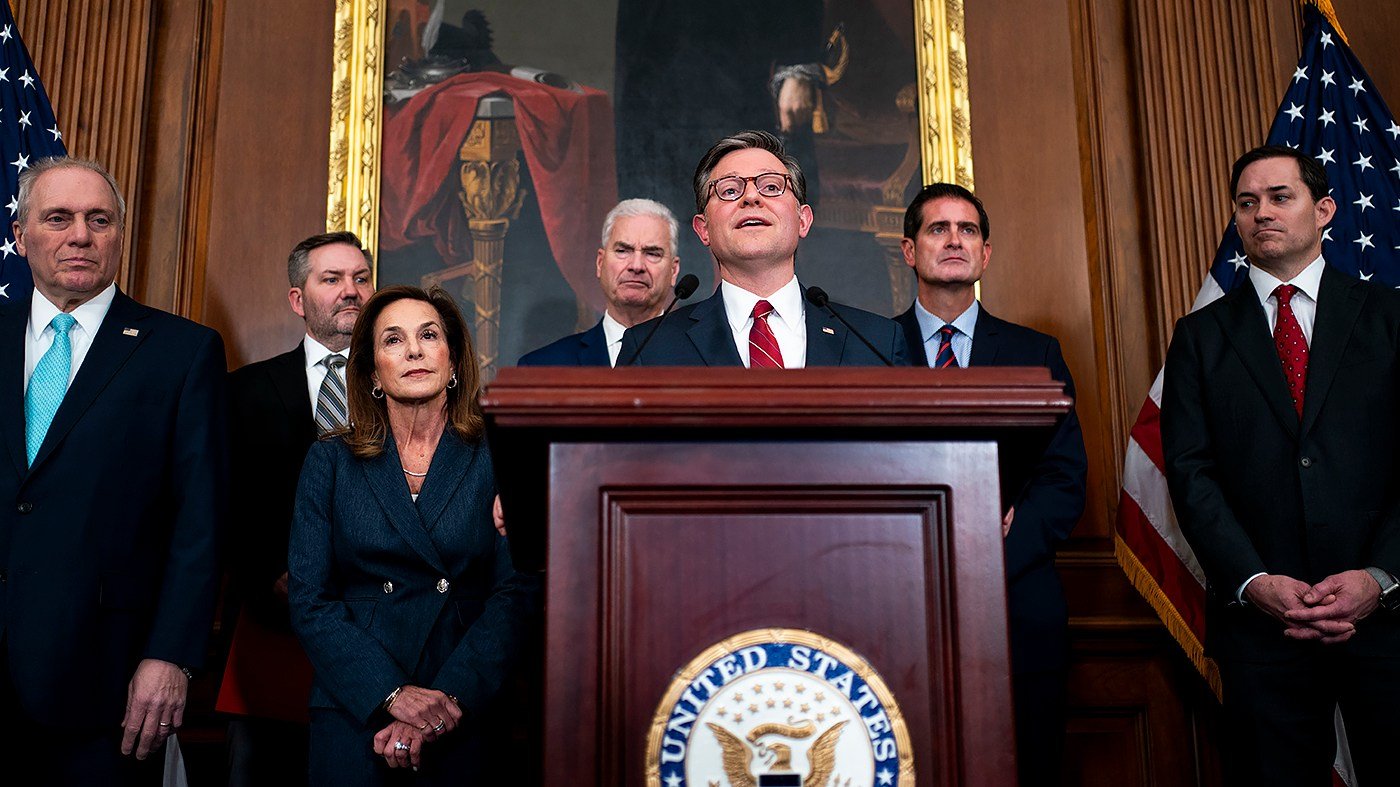
One year after a record-shattering $140 million battle for control of Wisconsin's Supreme Court, Republicans suffered a devastating 20-point defeat in a follow-up judicial election this week. The loss, characterized by significant underperformance in traditional GOP strongholds like Waukesha and Ozaukee counties, underscores persistent challenges in mobilizing the party's base.
A Stark Contrast in Republican Engagement
The 2023 contest saw an unprecedented financial and rhetorical investment from national Republicans. Figures like Elon Musk framed the race in apocalyptic terms, suggesting it would determine "the course of Western civilization." The effort failed, with the Democratic candidate winning by 10 points to preserve a liberal majority on the court.
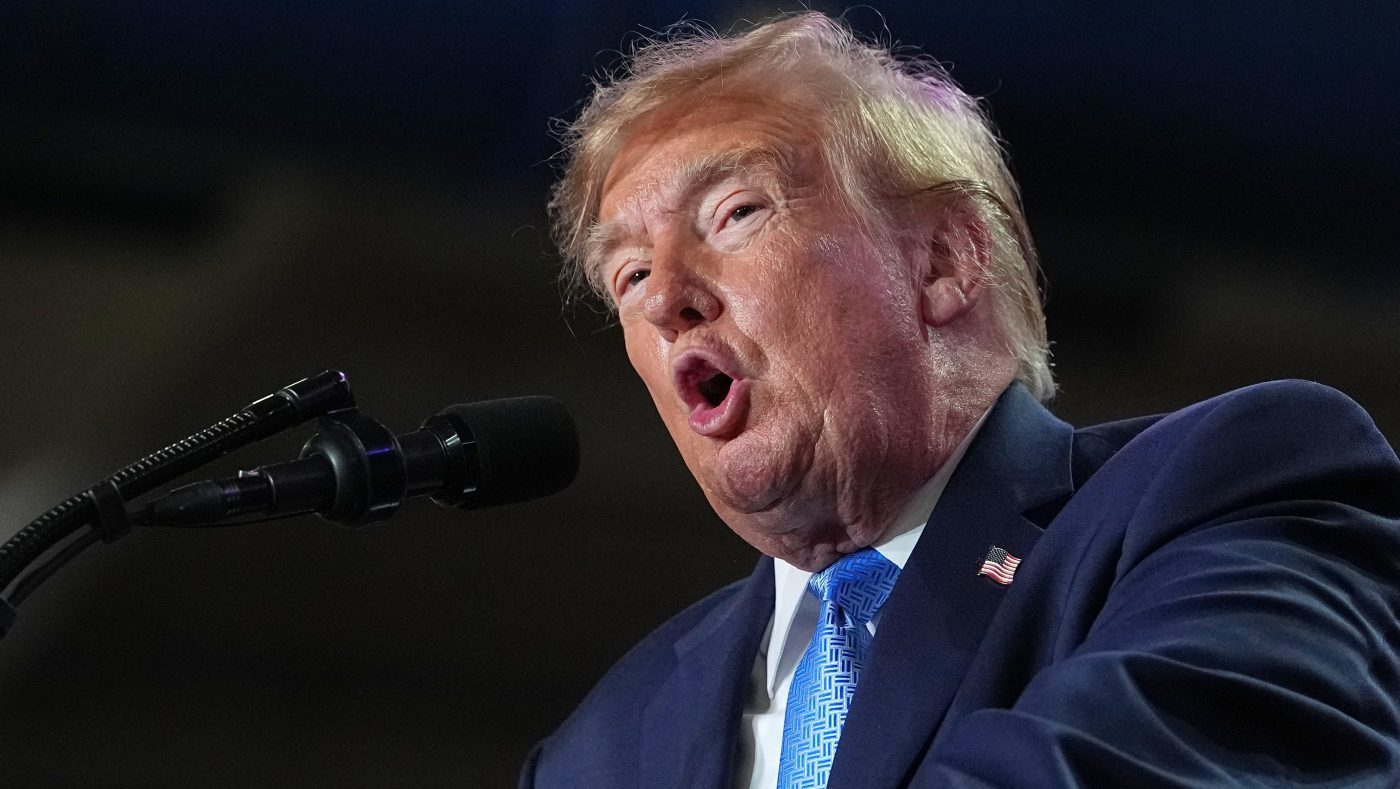
This year, with the court's ideological balance not directly at stake, Republican attention and resources were conspicuously scant. Yet the practical consequences are severe: another loss pushes any potential for a conservative court majority out to at least 2030, if not 2033. The scale of Tuesday's defeat, paired with a Democratic overperformance in a deep-red Georgia special election the same day, signals that the electoral backlash to the Trump-Vance administration remains potent with 29 weeks until the November midterms.
Vance's Foreign Political Gambit
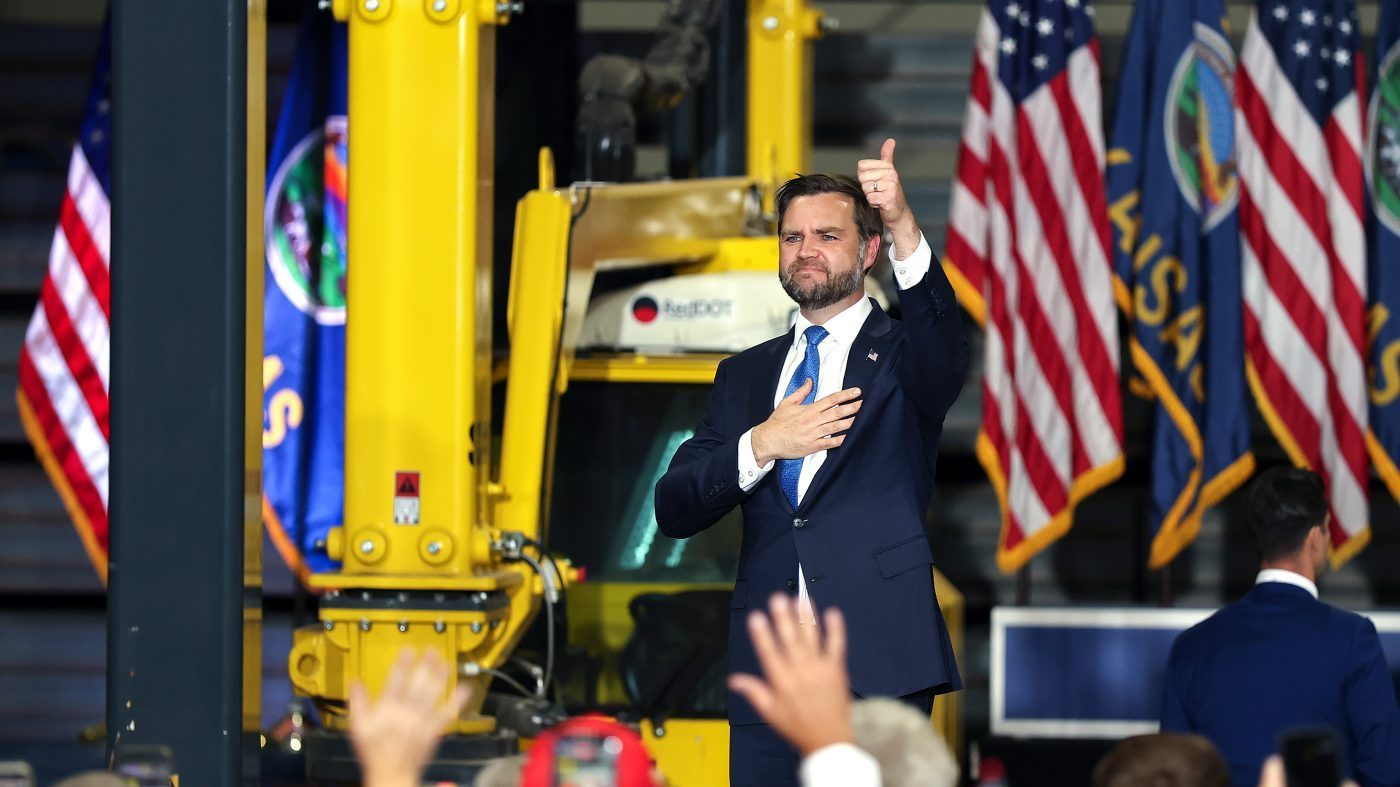
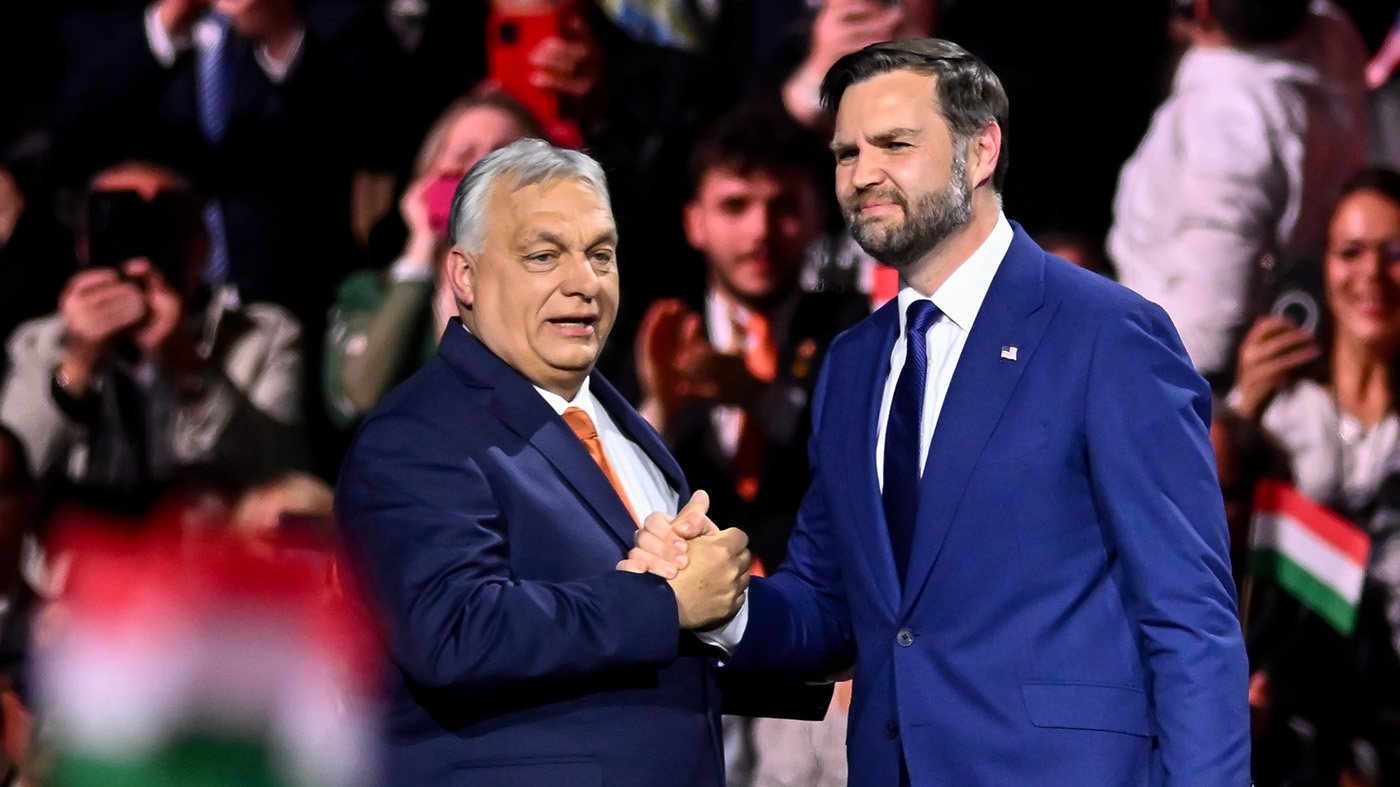
While Wisconsin Republicans faltered, Vice President J.D. Vance was thousands of miles away, campaigning in Hungary for that nation's long-serving Prime Minister, Viktor Orbán. The trip highlights a defining ideological project for Vance and his allies, who view Orbán's blend of Christian nationalism, immigration restriction, and state-directed economics as a model for America.
Hungary has become a lodestar for the American nationalist right, much as Scandinavian nations once were for progressives. However, after 16 years of Orbán's rule, his popularity at home is waning, raising questions about the exportability of his political model. Vance's advocacy abroad, including his recent efforts in high-stakes diplomatic talks with Iran, often draws more focus than domestic party-building.
The Vice President's political identity is increasingly intertwined with a vision of integrating conservative Catholic social doctrine with governance, a theme explored in his forthcoming book. This aligns with domestic policy movements, such as the push to mandate Bible readings in public schools in Texas. Unlike past Catholic politicians, Vance is not accused of being controlled by the Vatican; rather, critics suggest he seeks to influence the Church's role in political life.
Strategic Implications for November
The Wisconsin result is a clear warning for Republicans. A stronger showing could have provided crucial momentum and data for tightening races in a pivotal swing state this fall. Instead, the dramatic margin suggests core Republican voters may lack enthusiasm, a dangerous deficit in a midterm election where turnout is key.
Vance's decision to prioritize a foreign election over a struggling domestic contest is telling. His championing of Orbán in Budapest follows a pattern of engaging with international figures who embody the administration's ideological priorities, even as direct endorsements from President Trump frame these alliances. This comes amid other foreign policy tensions, where Vance has labeled a U.S.-Iran ceasefire as 'fragile' and previously warned that war with Iran would spark regional chaos.
The disconnect between a crushing local loss and a vice presidential foray into Central European politics encapsulates a central tension within the modern GOP: the pull between addressing foundational voter enthusiasm issues at home and pursuing a transformative, ideologically-driven project on the global stage. As the midterms approach, the party must reconcile these dual priorities or risk further setbacks.