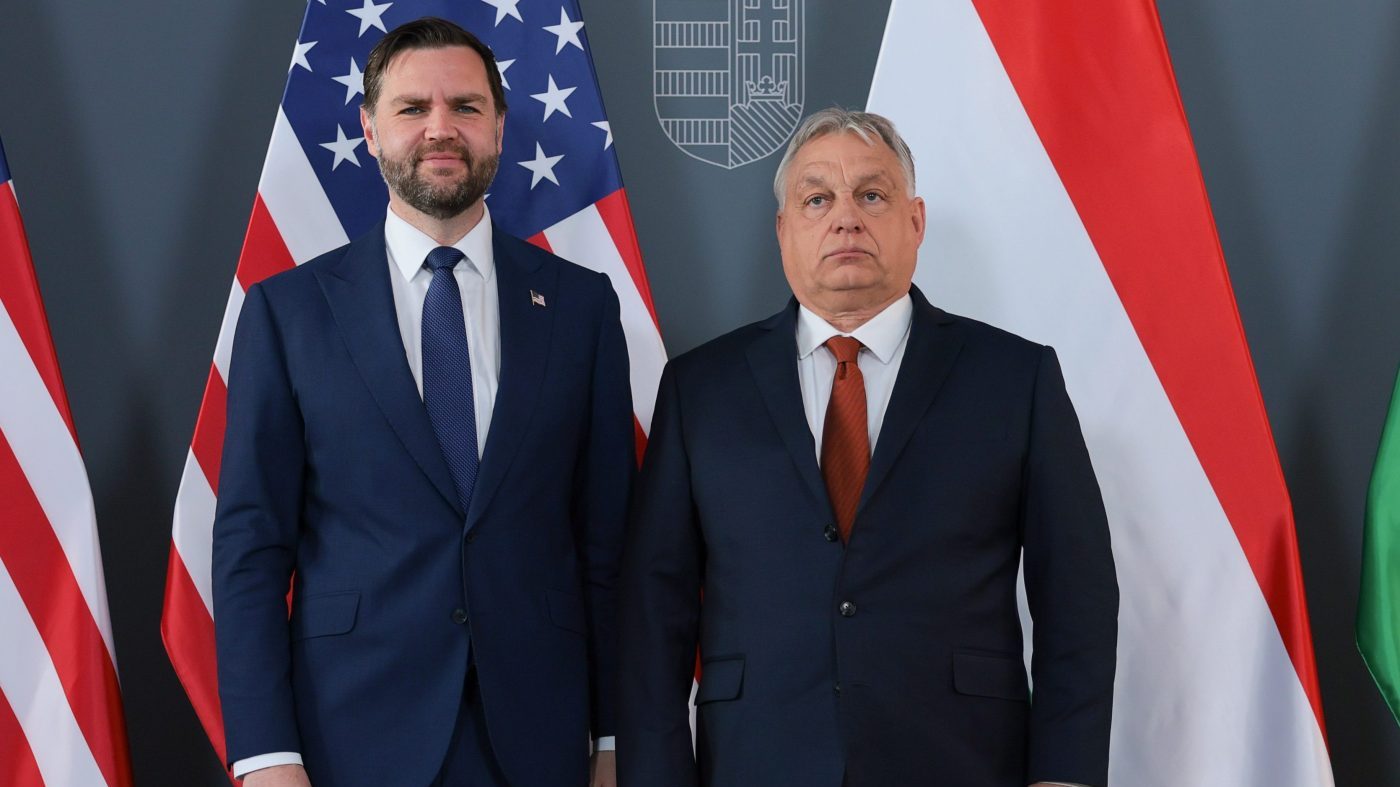
Vice President JD Vance delivered a robust endorsement of Hungarian Prime Minister Viktor Orbán during a high-profile visit to Budapest on Tuesday, using the platform to sharply criticize the European Union's leadership. The trip comes just days before Hungary holds parliamentary elections where Orbán's long-ruling party faces a significant political challenge.
A Strategic Alliance Ahead of Elections
Vance framed his visit as a show of support for a key European ally of the Trump administration, explicitly stating his desire to assist Orbán during the election season. While acknowledging Hungarian voters would make their own decisions, Vance aimed his rhetoric squarely at EU institutions in Brussels. "I did want to send a signal to everybody, particularly the bureaucrats in Brussels who have done everything that they can to hold down the people of Hungary because they don't like the leader who has actually stood up for the people of Hungary," Vance said at a joint press conference with Orbán.
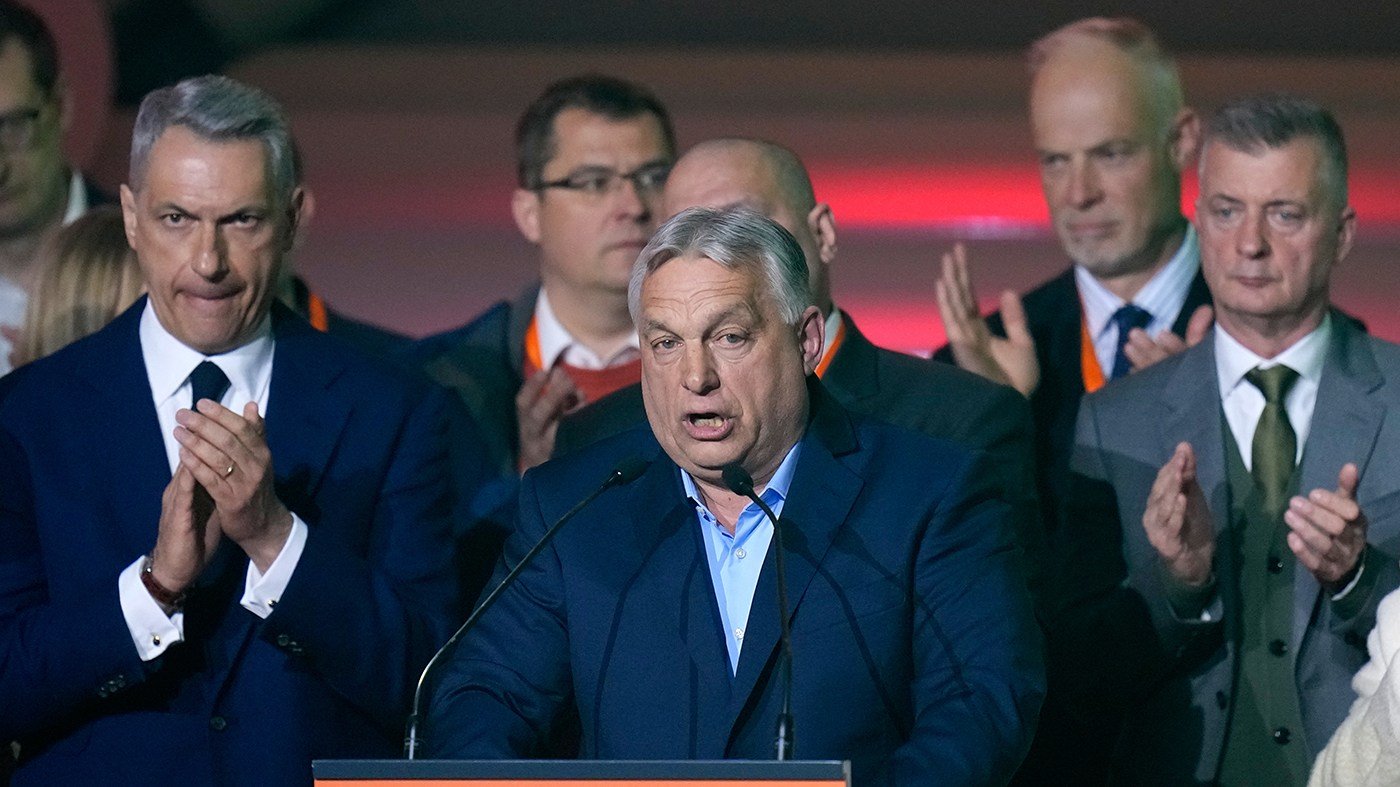
The Hungarian leader, in power for nearly two decades, has frequently clashed with the EU over rule-of-law concerns, migration, and foreign policy. Orbán has opposed EU sanctions on Russia and blocked initiatives for Ukraine's accession to the bloc, positioning himself as a sovereigntist counterweight to federalist ambitions in Brussels. This alignment has made him a valued partner for the current U.S. administration.
Praise for Energy Policy and Broader Agenda
Vance reserved particular praise for Orbán's approach to energy security, holding it up as a model he believes Western European nations failed to follow. "I think Viktor Orbán has been the single most profound leader in Europe on the question of energy security and independence," Vance asserted. He argued that if other capitals had adopted similar policies, the continent's energy crisis, exacerbated by conflicts like the U.S.-Israeli confrontation with Iran that closed the Strait of Hormuz, would be less severe.
This endorsement follows a Washington meeting late last year where Orbán and President Trump reportedly discussed Hungary's continued access to Russian oil despite U.S. sanctions. The Trump administration's support for Orbán is long-standing; in February, President Trump lauded Orbán on social media as a "truly strong and powerful leader" who fights for his country, protects its borders, and ensures law and order—a description that mirrors Trump's own domestic political branding. This mutual admiration underscores a broader political synergy between the two leaders' movements.
Context of Regional Tensions
The visit and its messaging occur against a backdrop of intense geopolitical friction. Orbán's stance on Russia and Ukraine has isolated him within much of the EU and NATO. His opposition aligns with a complex and grinding conflict in Ukraine where military analysts note a shifting battlefield dynamic. Meanwhile, the administration is managing multiple international pressures, including incidents like Iran's claim of destroying a U.S. aircraft during a recent operation, which directly impacts global energy security.
Vance's direct intervention in a member state's election process is a notable diplomatic maneuver, highlighting the administration's willingness to challenge traditional EU alliances. It reinforces a foreign policy doctrine that prioritizes bilateral relationships with nationalist-conservative leaders over multilateral consensus. The Vice President's comments suggest the administration views Orbán not as a problematic outlier, but as a visionary on critical issues like energy and sovereignty.
The Budapest stop serves as a powerful symbol of this political axis. With polls indicating Orbán's party could lose its grip on power, Vance's presence is a tangible demonstration of support meant to galvanize the prime minister's base. It also sends an unambiguous signal that the U.S.-Hungary relationship, as a pillar of the administration's European strategy, is contingent on Orbán's continued leadership.