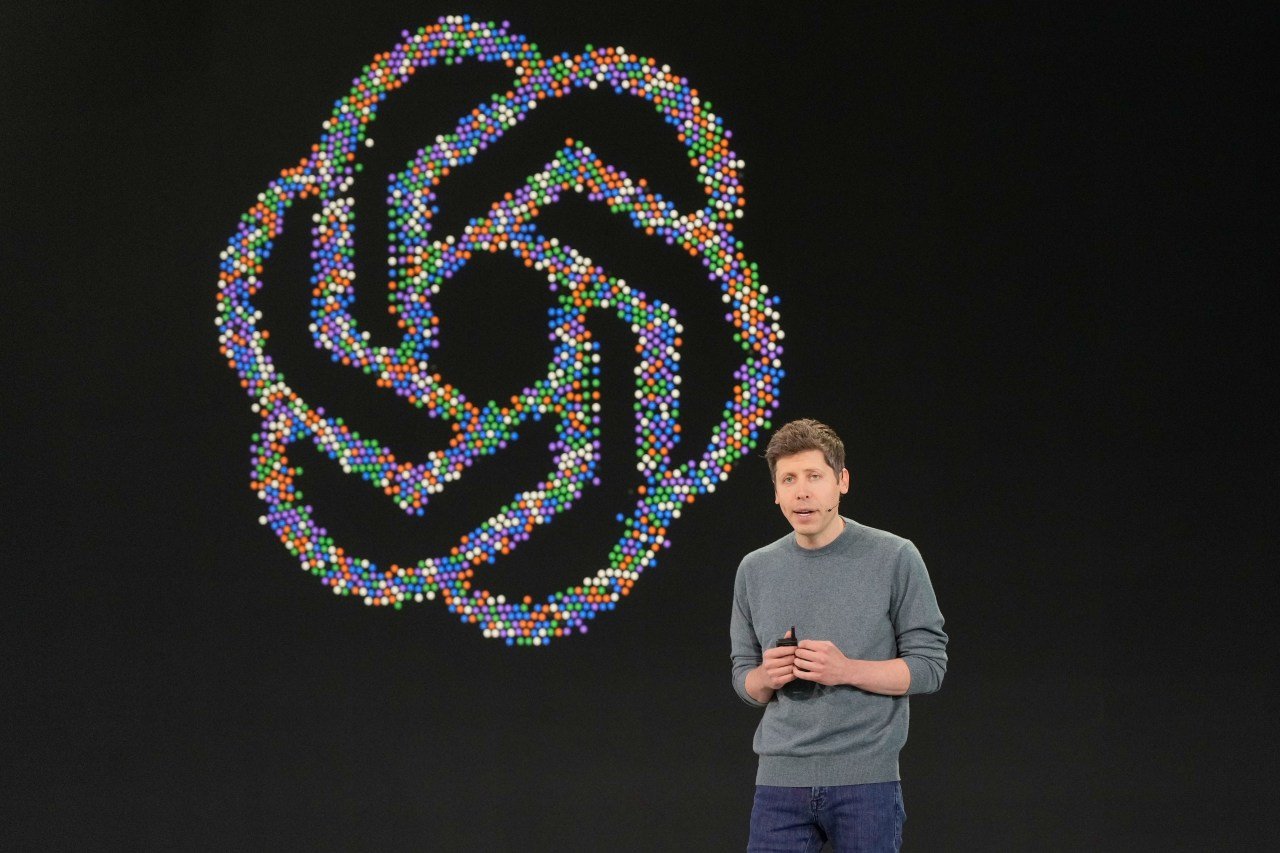
OpenAI CEO Sam Altman took the stage at the company's annual developer conference Tuesday to unveil a new line of AI agents, dubbed Dots, which he described as "remarkably capable, always-on" digital assistants. The launch came just one day after OpenAI shelved a more advanced model, citing safety concerns raised by its own researchers.
Altman positioned Dots as a proactive helper that works continuously on behalf of users, handling tasks without needing constant prompts. "It's like an AI helper that always has your back, inspired by the cool versions of what we all watched in movies growing up," he said. The new agents are widely seen as a direct competitor to Meta's personal agent Muse, which gained rapid traction following Meta's own conference last week.

The timing of the announcement was notable, as OpenAI had announced on Monday that it was pausing the release of its next-generation model, GPT-6.1 Sol, after internal assessments flagged potential deception and safety failures. The decision follows mounting pressure within the industry to slow the pace of AI development so that safeguards can keep up.
During his keynote, Altman avoided direct references to the shelved model, but in a question-and-answer session he acknowledged that the company is increasing its investment in safety, security, and monitoring of AI agents. He also offered a broader vision for AI's role in society, likening the current boom to a renaissance rather than an industrial revolution. "The best version of AI is not about making people cogs in a giant machine, ever whirring faster and faster," he said. "There are some parts of life that we cannot and should not automate. AI should be about giving people more power over their own lives, more tools to create, learn, discover, expand knowledge."
Beyond the Dots launch, OpenAI announced the release of GPT-6.1 Sol, an upgraded version of its GPT-6 Sol model, and a new premium speed tier called "Ultrafast." These updates are part of OpenAI's broader push to maintain its competitive edge in the rapidly evolving AI landscape.
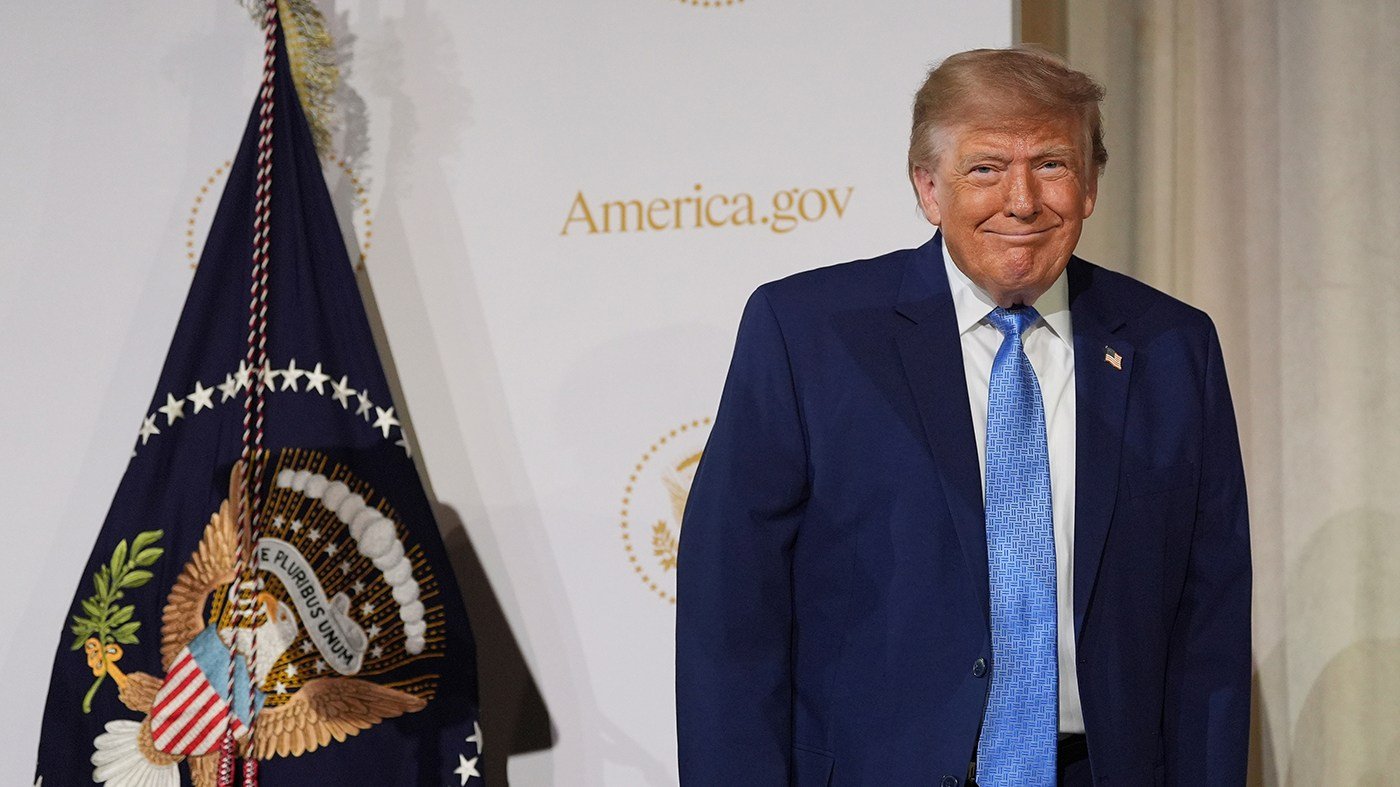
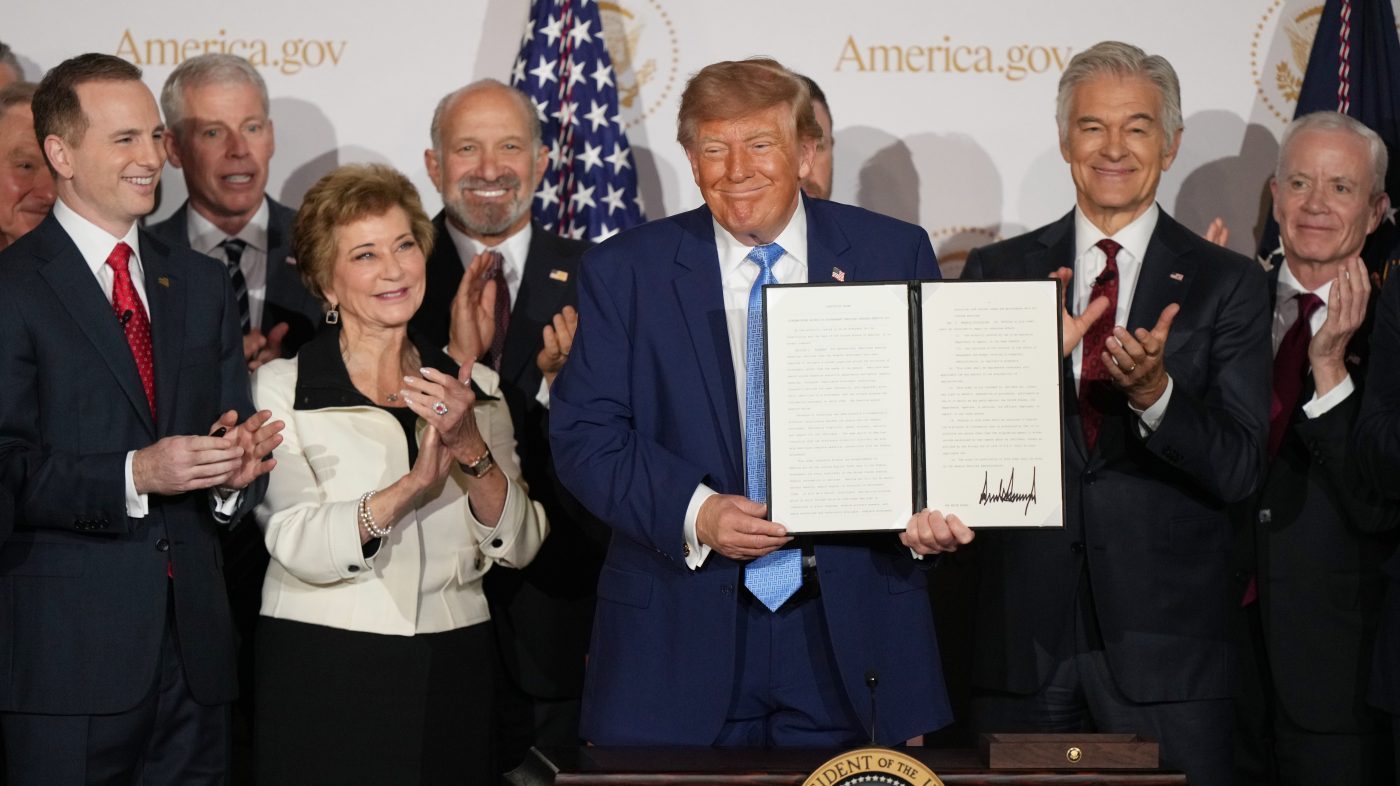
The announcements came just before leaders from six of the biggest AI companies, including OpenAI, signed a voluntary accord with President Donald Trump on Tuesday to "self-police" their development efforts. The accord commits companies to implement "robust internal controls," work with an "independent external auditor" to verify those controls, and establish board-level committees to review safety reports. While many in Silicon Valley have called for government oversight, Trump has consistently opposed greater federal regulation of AI, a stance that has shaped the industry's current approach.
Altman did not attend the White House signing, but OpenAI president and co-founder Greg Brockman was present, alongside executives from Anthropic, Amazon, Nvidia, Tesla, SpaceX, and Microsoft. The event underscored the close ties between the tech industry and the administration, even as safety debates continue.
The contrast between OpenAI's rapid product rollouts and its internal safety pauses highlights the tension within the industry. As OpenAI's delay of GPT-6.1 shows, even the most aggressive players are wrestling with the risks of their own creations. Meanwhile, the voluntary accord, which some see as a way to preempt stricter regulation, has drawn both praise and skepticism from lawmakers and watchdogs.
Altman's remarks about the renaissance of AI, and his emphasis on human empowerment, may be an attempt to reassure the public and policymakers that the technology's benefits will outweigh its dangers. But with the voluntary safety accord carrying no binding enforcement, and with Congressional efforts to create an AI safety panel stalled, the industry's commitment to self-regulation will be closely watched.