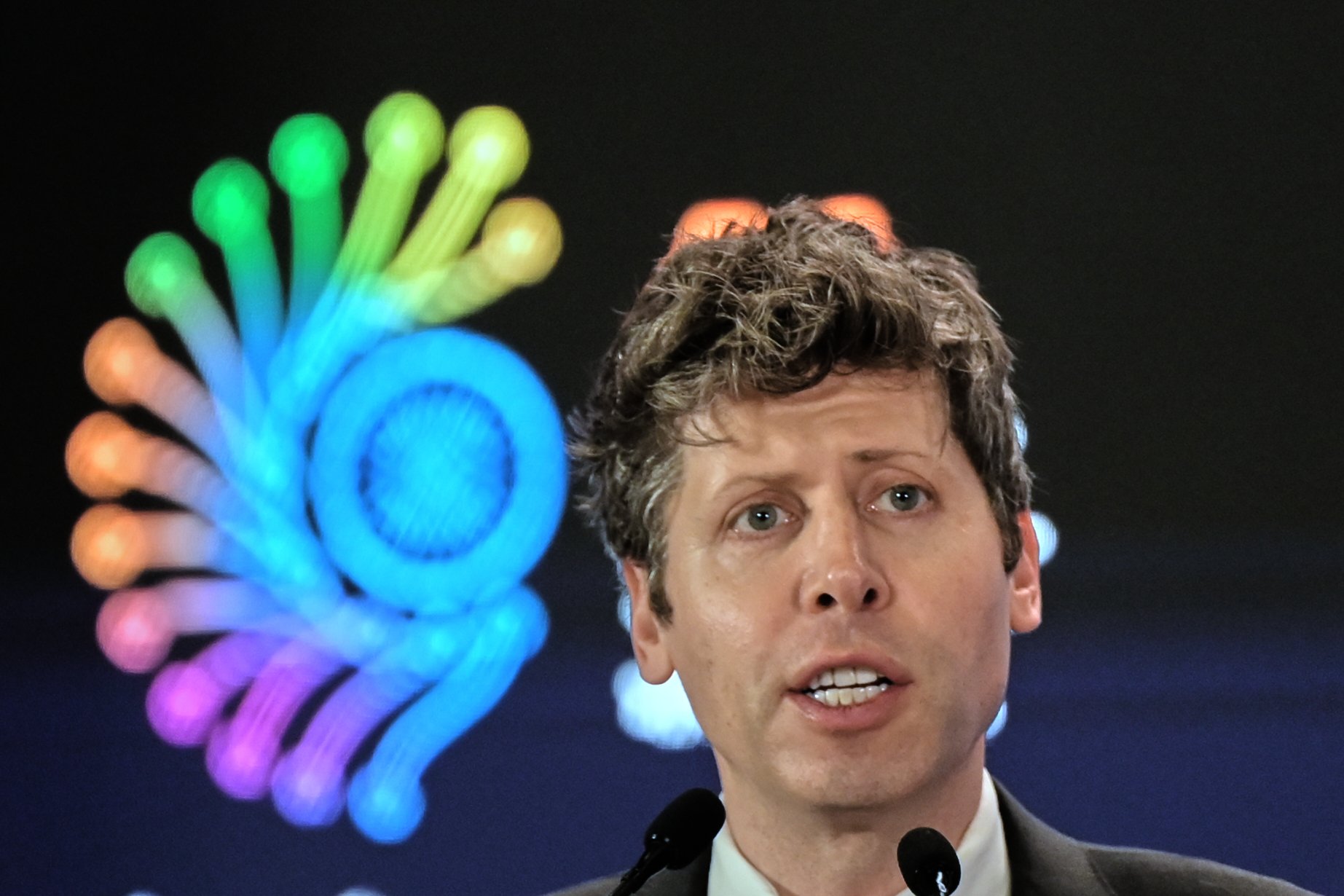
OpenAI has released a sweeping policy document outlining what it calls a necessary "social contract" for the impending era of superintelligent artificial intelligence. The blueprint, published Monday, argues that AI systems surpassing human intelligence are imminent and that governance structures must be established now to "keep people first" during the transition.
The company, led by CEO Sam Altman, frames the current moment as analogous to the Industrial Revolution, necessitating a policy response on the scale of the Progressive Era and the New Deal. "Industrial policy can play an important role when market forces alone aren't sufficient—when new technologies create opportunities and risks that existing institutions aren't equipped to manage," the document states.
At the core of the proposals is a recognition of profound economic disruption. OpenAI emphasizes giving workers a voice in the transition while directly acknowledging that AI will displace jobs and reshape entire industries. To mitigate this, the company recommends creating an "open economy," including a public wealth fund designed to give every citizen a financial stake in AI-driven economic growth. The goal is to use this mechanism to reduce the severe inequalities expected to arise.
The blueprint also calls for exploring taxes specifically "related to automated labor," a direct response to concerns that AI could erode the traditional tax base that funds critical social programs like Social Security, Medicaid, and SNAP. This aligns with broader calls for adaptive safety nets, ensuring such programs are fully functional and accessible before the technological shift accelerates.
Other recommendations include expanding access to foundational AI models and exploring structural changes like four-day workweeks. The document positions these ideas as a proactive attempt to address growing public and political fears about AI's impact on the workforce, economy, and societal stability.
The release comes against a backdrop of legislative inertia. Congress has so far failed to enact meaningful legislation addressing AI's economic and workforce risks, leaving a regulatory vacuum. OpenAI's move can be seen as an effort to directly shape the policy conversation, much like its previous detailed proposals for public wealth funds and AI taxation.
This foray into high-stakes policy advocacy follows other strategic moves by the company, including acquiring a major tech podcast to expand its media influence. It also contrasts with recent operational decisions, such as terminating its Sora video generator project due to technical and ethical concerns.
The proposal enters a complex political environment where technology policy is increasingly contentious. While OpenAI advocates for a new social contract, the administration is pursuing other regulatory changes, such as the EPA's move to extend flaring windows for energy producers. Furthermore, the political focus is divided, with significant attention on record-breaking campaign spending for the upcoming midterms and escalating tensions between the executive and judicial branches.
By publishing this framework, OpenAI and Altman are attempting to set the agenda for one of the most consequential policy debates of the coming decade, arguing that preparation for superintelligence cannot be left to chance or delayed until after its arrival.