The Senate Leadership Fund, the principal Super PAC aligned with Senate Republican leadership, unveiled a massive $342 million advertising and voter outreach campaign on Monday. The unprecedented investment targets eight Senate races that will determine control of the chamber in November, representing the group's most aggressive financial push to date.
Strategic Battlefield
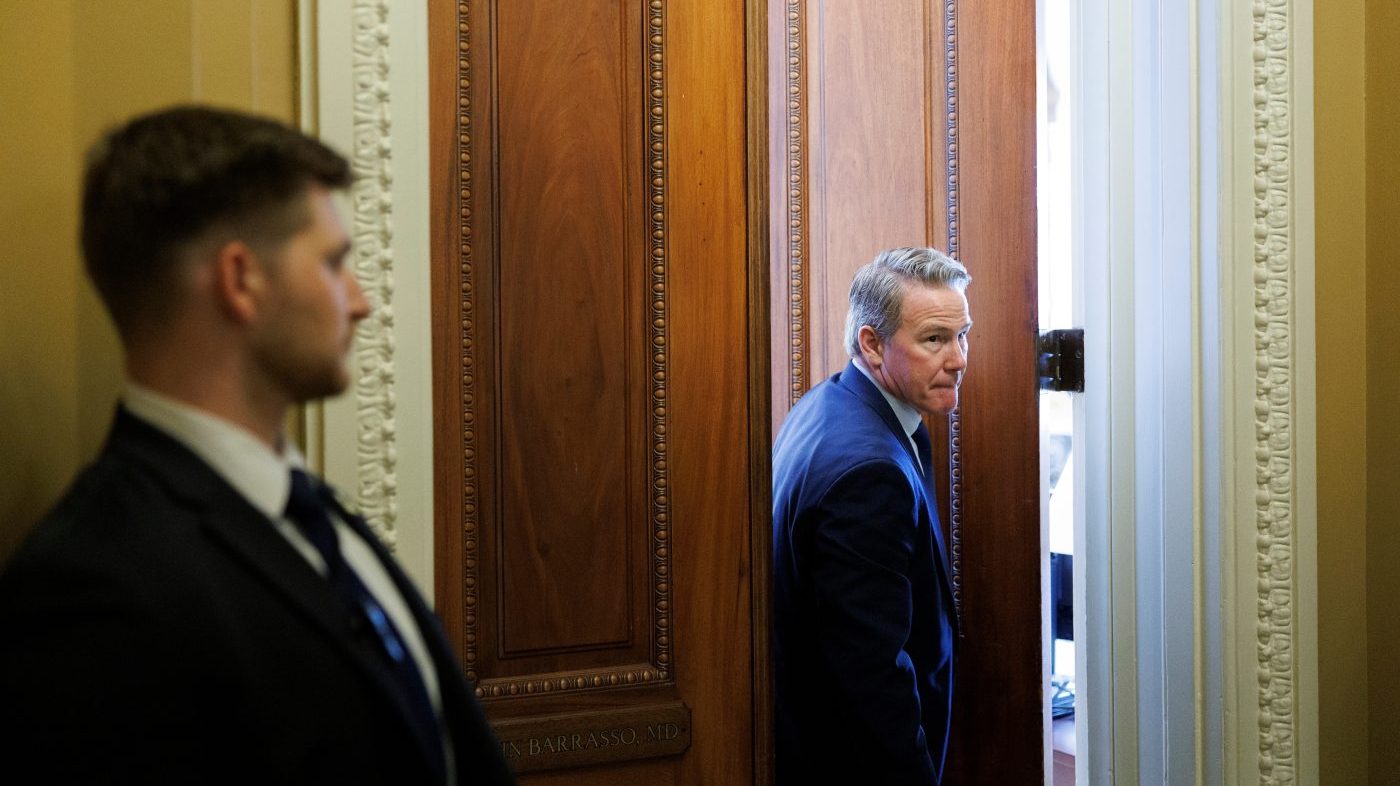
The spending blueprint reveals a two-pronged strategy: offensive plays to capture Democratic-held seats and defensive maneuvers to protect vulnerable Republican incumbents. The largest single allocation, $79 million, is directed at Ohio, where Democratic former Senator Sherrod Brown is mounting a challenge against Republican incumbent John Husted. This contest is expected to be among the most expensive and closely watched in the nation.
North Carolina follows with a $71 million commitment for the open seat being vacated by retiring Republican Thom Tillis. The race features former Democratic Governor Roy Cooper against former Republican National Committee chair Michael Whatley, presenting a prime pickup opportunity for Democrats that Republicans are determined to block.
Defensive Fortifications and Offensive Strikes
Substantial resources are flowing to three other critical states. Over $40 million each will be deployed in Georgia, Michigan, and Maine. In Georgia, Republicans aim to unseat Democratic Senator Jon Ossoff in a state former President Trump carried narrowly in the last election. In Michigan, the GOP is backing former Representative Mike Rogers to capture the seat opened by retiring Democrat Gary Peters.
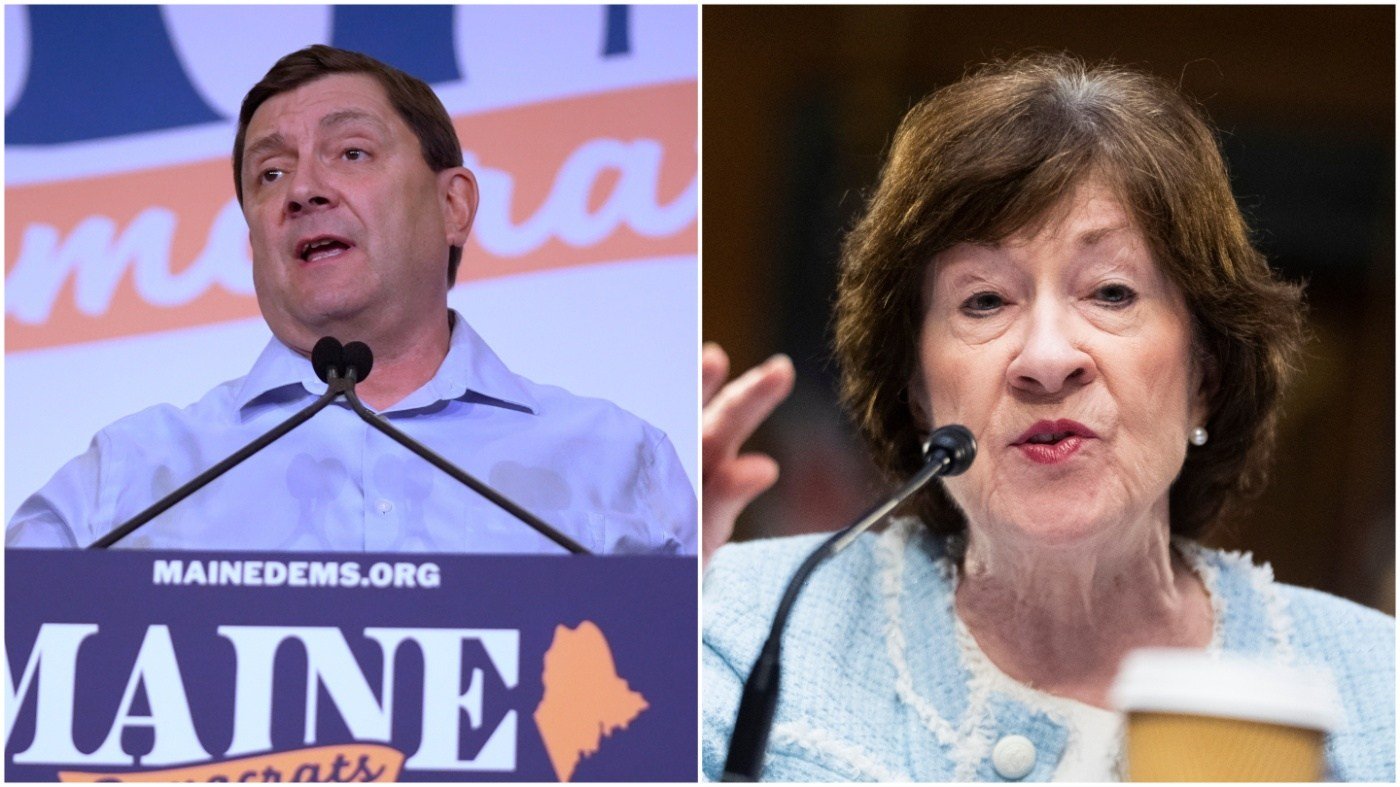
The Maine funds, previously disclosed, are dedicated to bolstering moderate Republican Senator Susan Collins. An additional $29 million is earmarked for Iowa's open seat race to succeed retiring Republican Joni Ernst, while $15 million will defend Republican Dan Sullivan against Democratic challenger Mary Peltola in Alaska. Finally, $17 million is allocated to New Hampshire, where Democrats hope Representative Chris Pappas can hold the seat of retiring Senator Jeanne Shaheen against former Senator John E. Sununu.
The Political Calculus
This financial offensive comes as Republicans defend a precarious 53-47 Senate majority. Democrats need a net gain of four seats to reclaim control, a feat that some analysts warn will be an uphill battle for the GOP given historical midterm trends favoring the party out of power. However, the sheer scale of this investment underscores the high stakes and the party's recognition of a fierce fight ahead.
The announcement also arrives amid a shifting political landscape. While Republicans confront the typical headwinds faced by the incumbent president's party, Democrats have been energized by a series of recent electoral victories. Current polling averages show Democrats holding a roughly five-point advantage on the generic congressional ballot, suggesting competitive races across the map. This massive cash infusion is a direct Republican counter to that momentum.
The move highlights the central role of unlimited-money groups in modern elections, with leadership-aligned PACs like the SLF acting as financial arsenals for party strategy. The allocation decisions reflect a detailed assessment of vulnerability and opportunity, pouring resources into states where polling indicates either party could prevail. This financial commitment will likely trigger a proportional response from Democratic-aligned groups, setting the stage for a record-shattering spending cycle in these key Senate battlegrounds.