New England's emerging offshore wind industry is delivering on its promise of reliable, affordable power during periods of peak demand and extreme weather, according to performance data from the region's first utility-scale projects. The South Fork Wind and Vineyard Wind installations provided electricity to hundreds of thousands of homes and businesses through record cold snaps and severe storms over the past three months, operating at high capacity while avoiding the fuel price volatility that plagued natural gas and oil-fired plants.
Proving Reliability Under Pressure
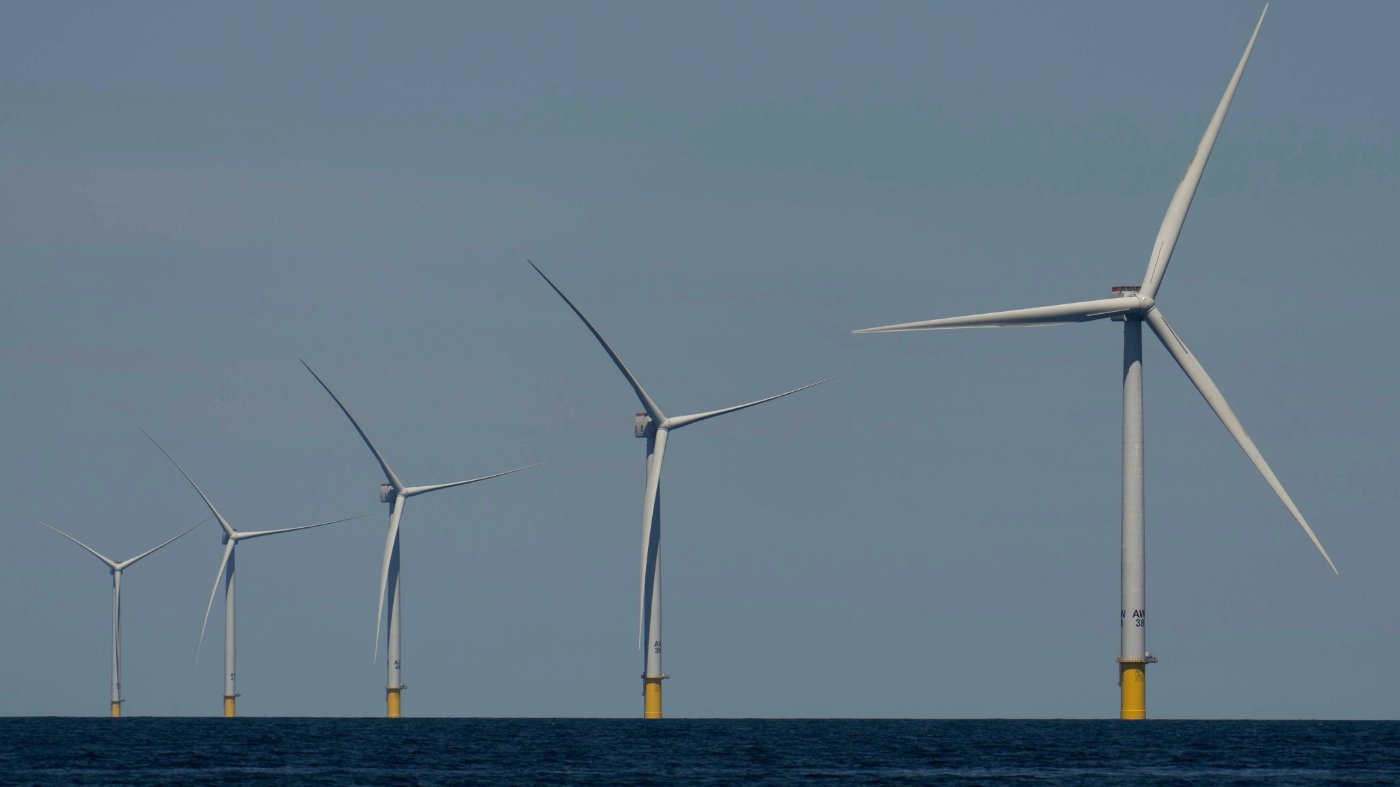
The performance of these pioneering projects challenges persistent criticisms from fossil fuel interests and some political quarters. South Fork Wind, located near Block Island, has powered approximately 70,000 homes on Long Island for over a year, delivering electricity on 99% of days in 2025. Its dozen turbines, each standing twice the height of the Statue of Liberty, have operated through challenging North Atlantic conditions.

Vineyard Wind, which is nearing completion off the Massachusetts coast, was already running at 70% capacity during January's heavy snows and high winds. It provided power to about 280,000 homes at a fraction of the cost the regional grid paid for fossil fuels during peak hours. When fully operational with 62 turbines, the 804-megawatt project is expected to serve 400,000 customers. The development has created more than 3,700 jobs and helped revitalize the Port of New Bedford.
A Growing Fleet
The expansion continues rapidly. Revolution Wind, off Point Judith, Rhode Island, will begin coming online in the coming weeks, eventually powering 350,000 homes in Connecticut and Rhode Island while supporting over 2,000 jobs and redeveloping the Port of New London. Following close behind, Sunrise Wind plans to deliver electricity to 600,000 homes this year from waters between Rhode Island and Long Island, while Coastal Virginia Wind—capable of powering 660,000 homes—is on track to deploy energy this month.
Collectively, these projects are expected to displace more than 3 million tons of carbon emissions annually—equivalent to removing over 650,000 cars from the road—while providing fixed-price electricity for the next three to four decades without winter fuel supply concerns or pipeline infrastructure.
Political and Industry Opposition
The sector's progress has unfolded against sustained opposition. Fossil fuel companies, concerned about market share, and some coastal property owners have launched campaigns questioning the technology's viability and environmental impact, including unsubstantiated claims linking turbine construction to whale deaths. This opposition has found sympathetic ears in certain political administrations. The Trump administration has repeatedly targeted wind and solar energy, even as courts have upheld project approvals under existing law, allowing development to continue.
The legal and political battles occur against a backdrop of global energy instability. Recent conflicts in the Middle East have driven volatility in traditional energy markets, underscoring the value of domestic, price-stable sources. Meanwhile, Canada, observing both the success and the political attacks on U.S. offshore wind, has proposed building turbines in its own waters to export power south.
Market Reality Versus Rhetoric
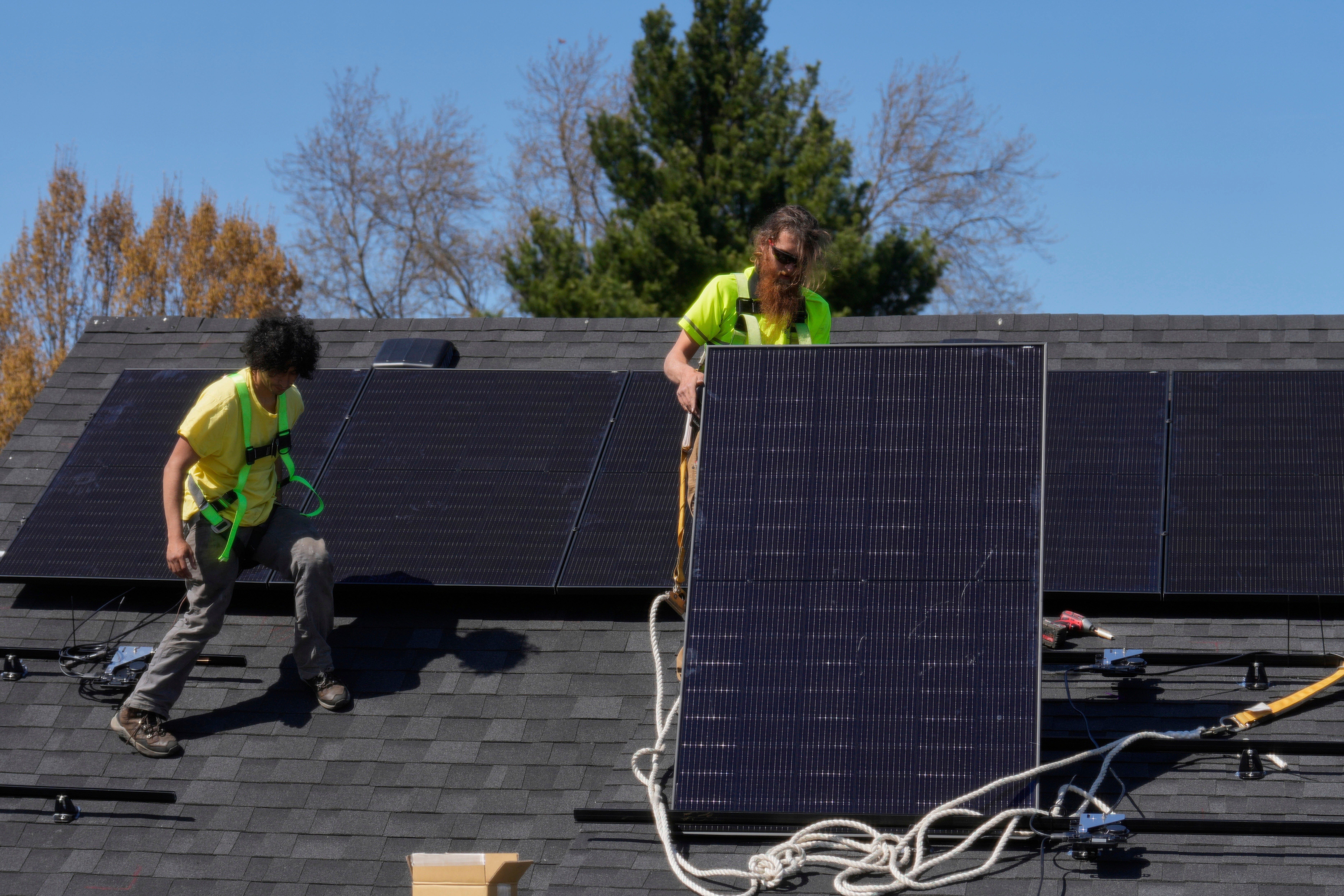
Despite the political friction, market trends favor renewables. Nationally, solar, wind, and battery storage dominate new electricity generation capacity, driven by cost competitiveness. Solar remains the cheapest and fastest-growing energy source both in the U.S. and globally. In New England last summer, rooftop solar and battery systems helped prevent blackouts during a heat wave, saving consumers over $20 million in avoided fuel costs.
The demonstrated winter resilience of offshore wind—a period when wind resources are typically strongest—provides a direct counter-narrative to claims of unreliability. Unlike natural gas, whose spot price spiked by approximately 60% during the cold snaps, wind power's fuel cost is zero and immune to geopolitical shocks. This performance has proven crucial as the region faces proposals for new multi-billion-dollar gas pipelines and expanded use of oil and coal plants.
The ongoing development in the Atlantic demonstrates that the technical and economic case for offshore wind is solidifying, even as the political landscape remains contested. The projects now delivering power represent just the initial phase of a larger transformation of the Northeast's energy portfolio, one increasingly insulated from the price spikes and supply disruptions that characterize fossil fuel markets.