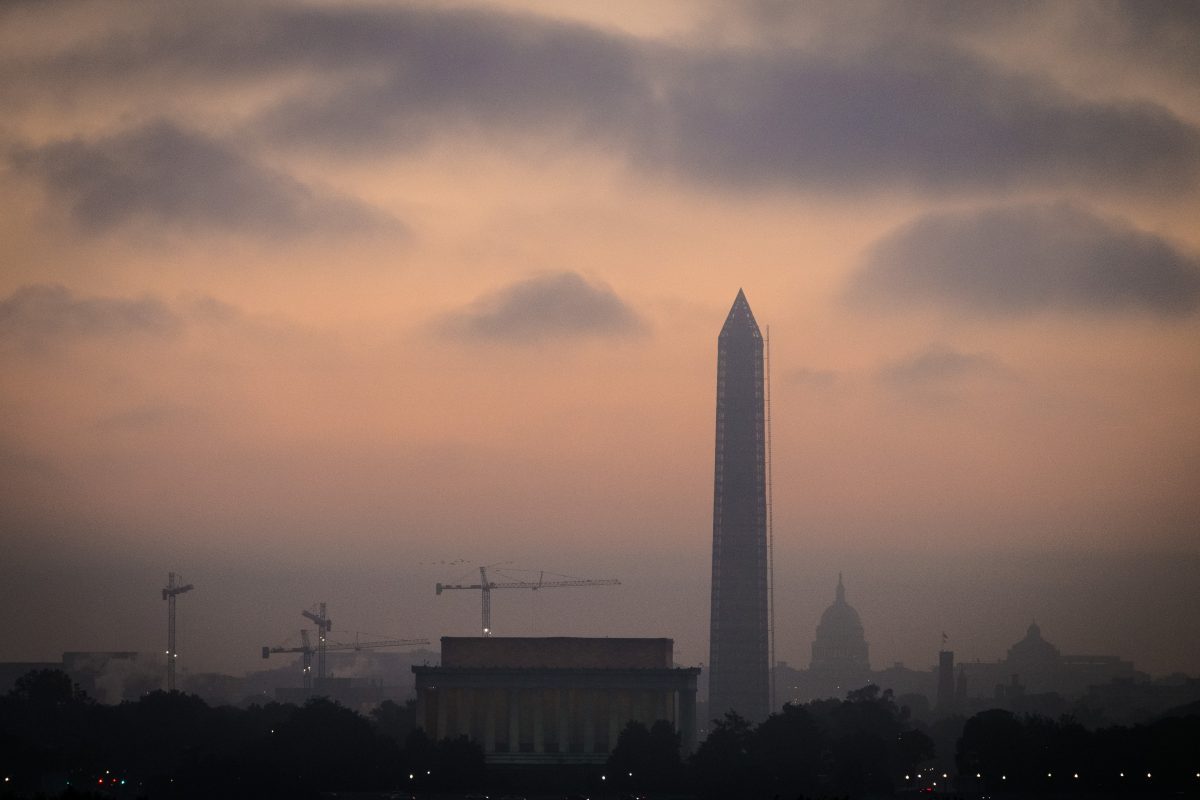
As autumn settles in, the steady march toward winter brings a familiar trade-off: shorter days and longer nights. For many Americans, October marks the point where the loss of daylight becomes unmistakable—and for some, it's more than just an hour.
According to data from the National Oceanic and Atmospheric Administration (NOAA), most of the contiguous United States will lose between 60 and 90 minutes of daylight over the course of October. The exact figure varies by latitude, with northern states seeing the steepest decline. In Seattle, for example, the month opens with about 11 hours and 40 minutes of daylight and closes with just 10 hours and 5 minutes—a drop of nearly 95 minutes. Meanwhile, Miami loses a more modest 50 minutes, going from 11 hours and 55 minutes to 11 hours and 5 minutes.
This seasonal shift isn't just a matter of setting clocks back—though that comes in November. The diminishing daylight has real consequences for commuters, outdoor workers, and even public safety. As sunsets creep earlier, evening rush hours become darker, and the risk of pedestrian accidents historically rises. Some states have explored permanent daylight saving time to mitigate these effects, but federal law currently prevents such changes without congressional approval.
Regional Breakdown: Who Loses the Most?
The northern tier of the country feels the change most acutely. Cities like Minneapolis, Chicago, and Boston will each lose roughly 70 to 80 minutes of daylight this month. In Anchorage, Alaska, the loss is even steeper—over two hours—as the sun's arc flattens dramatically. Conversely, southern cities like Houston, Phoenix, and Atlanta see a more gradual fade, losing about 55 to 65 minutes.
For those keeping track of sunset times, many areas will experience their last 7 p.m. sunset in October. In New York, the sun sets at 7:01 p.m. on October 1st, but by Halloween, it's gone by 5:54 p.m. That's a shift of more than an hour in evening light, which can feel even more jarring than the morning changes.
What This Means for Your Routine
The loss of daylight isn't just a cosmetic change. It affects energy use, mental health, and even agriculture. Farmers and outdoor laborers must adjust schedules, while schools and commuters deal with darker mornings and evenings. Some studies suggest that the shift can disrupt circadian rhythms, leading to sleep issues and mood changes.
Interestingly, the debate over timekeeping has gained new momentum. Several Canadian provinces have moved to lock clocks to permanent daylight saving, and U.S. lawmakers have floated similar ideas, though no federal action has passed. Meanwhile, winter outlooks are already diverging, with some forecasters predicting a mild season and others a snowy one—factors that could compound the darkness.
For now, the advice is simple: enjoy the remaining sunlight while it lasts. As October progresses, the days will continue to shrink, and by the time clocks fall back in November, the shift will be even more pronounced. But there's a silver lining—after the winter solstice, the pendulum swings the other way, and daylight begins its slow return.