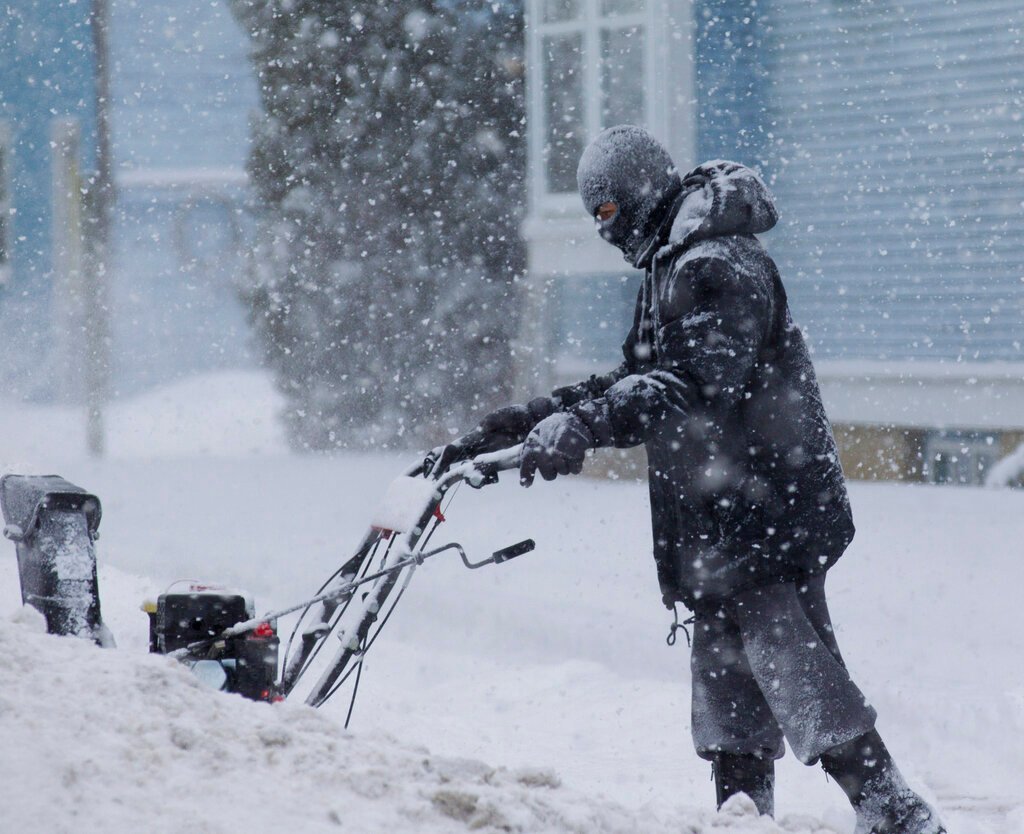
As September winds down and autumn officially takes hold, the perennial question of what the coming winter will bring is already generating headlines. The two most prominent almanacs have released their extended outlooks, and they are far from unanimous. Residents across the country are left to wonder: will they be reaching for a parka and a shovel, or an umbrella and a sweater?
The Old Farmer's Almanac is calling for a milder-than-usual winter overall, though it notes that some regions will see "colder, snowier spots." In contrast, the Farmers' Almanac is bracing for a season of "snow, sleet and surprises," suggesting a more turbulent and precipitation-heavy winter for many areas. These competing visions underscore the inherent uncertainty of long-range weather forecasting.
While the almanacs have a long history and a loyal following, professional meteorologists have repeatedly urged caution when interpreting such extended predictions. As meteorologists warn about the reliability of almanac forecasts, they emphasize that seasonal outlooks are probabilistic, not deterministic. Climate patterns like El Niño and La Niña can shift the odds, but they do not guarantee specific outcomes for any given city or town.
For those planning ahead, the divergence between the two almanacs is a reminder that winter weather is inherently unpredictable. The Old Farmer's Almanac, which has been publishing since 1792, claims an 80% accuracy rate for its forecasts, but independent verification has been scant. The Farmers' Almanac, founded in 1818, uses a proprietary formula that it says is 80% to 85% accurate, but skeptics point out that its predictions are often vague enough to be interpreted in multiple ways.
One factor that could influence the coming winter is the current state of the polar vortex. A weak polar vortex can allow frigid Arctic air to plunge southward, leading to outbreaks of extreme cold and snow. Conversely, a strong vortex tends to keep the coldest air locked near the pole, resulting in milder conditions for the contiguous United States. The almanacs' differing outlooks may reflect different assumptions about the vortex's behavior.
Beyond the almanacs, the National Oceanic and Atmospheric Administration (NOAA) will release its official winter outlook in October, which will provide a more data-driven perspective. NOAA's forecasts rely on climate models and historical data, and they are generally considered more reliable than almanac predictions. However, even NOAA's seasonal outlooks are limited in their ability to predict specific snowstorms or cold snaps more than a week or two in advance.
For those who are already dreading the prospect of shoveling snow, there is at least one piece of good news: the days are getting shorter, but the push for permanent daylight saving time could eventually change how we experience winter mornings. If adopted, permanent daylight saving would mean later sunrises and sunsets, which could soften the blow of early darkness for many.
In the meantime, the best advice for winter preparation is to stay flexible. Whether the season brings heavy snow or mild temperatures, having a plan for both extremes is prudent. As the old saying goes, "There's no such thing as bad weather, only inappropriate clothing." And with the almanacs at odds, it might be wise to keep both the parka and the umbrella within reach.