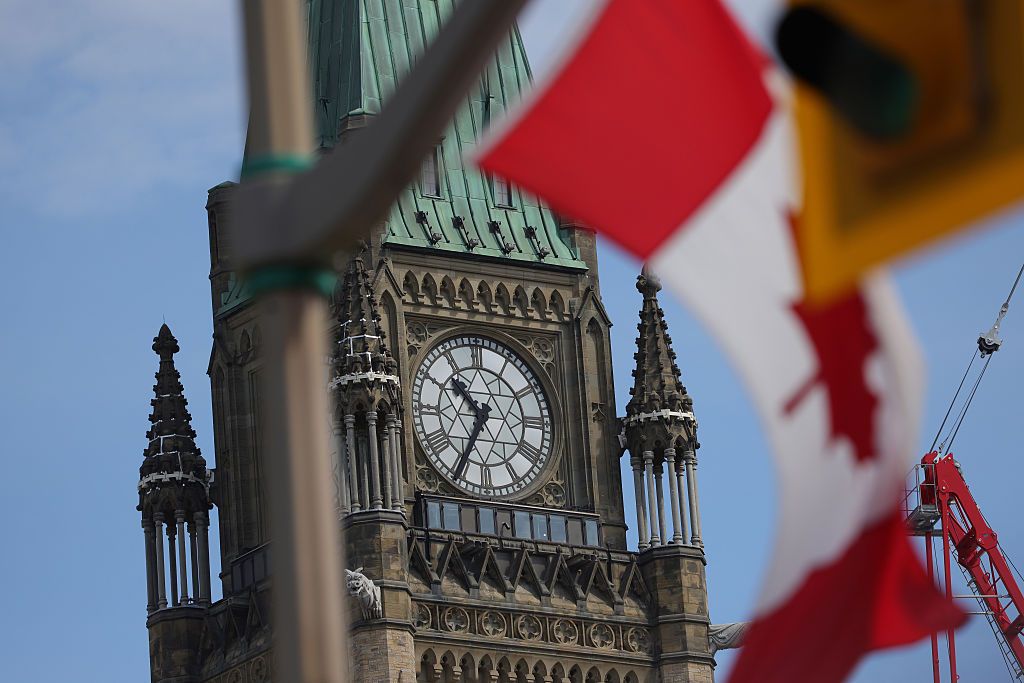
Canada's shift toward permanent daylight saving time is accelerating, with two more jurisdictions announcing they will stop changing their clocks twice a year. The Northwest Territories and Manitoba have both decided to adopt year-round daylight saving time, citing strong support from residents.
Last week, Northwest Territories Premier R.J. Simpson announced the territory would no longer observe seasonal time changes. The decision came just days after Manitoba Premier Wab Kinew confirmed his province would do the same. In both cases, officials pointed to survey results showing that an overwhelming majority of residents want an end to the clock-changing ritual.

“We heard from Manitobans loud and clear – no more changing the clocks in Manitoba,” Kinew said in a press release. The province's survey drew nearly 72,000 responses, with 92 percent in favor of ending the seasonal time change and nearly 60 percent specifically supporting permanent daylight saving time.
In the Northwest Territories, more than 87 percent of over 3,500 survey participants said they wanted to stop adjusting their clocks. “Ending seasonal time change gives residents what they’ve asked us for,” Simpson said.
The moves follow similar decisions earlier this year by Alberta and British Columbia. British Columbia cited the need to align with the United States, where 19 states have passed legislation to adopt permanent daylight saving time but have been blocked by federal inaction. The province noted that “actions from the U.S. have shifted how [British Columbia] approaches decisions that merit alignment, including on time zones.”
Yukon and most of Saskatchewan have already been on permanent standard time or daylight saving time for years, making Canada a patchwork of timekeeping practices. Now, with Manitoba and the Northwest Territories joining the fold, the majority of Canadians will soon no longer “fall back” or “spring forward.”
Meanwhile, U.S. efforts to lock clocks on daylight saving time remain stalled. The House passed the Sunshine Protection Act earlier this year, and President Trump has voiced support, but the Senate has not taken it up. Senate resistance to the bill has centered on concerns about school safety and health impacts. The chamber is not expected to revisit the issue until November, and it remains unclear whether the bill has enough votes to pass.
If no action is taken, U.S. clocks will fall back on November 1, the earliest possible date for the end of daylight saving time. The growing Canadian consensus contrasts with the U.S. gridlock, where states can adopt permanent standard time—as Hawaii and most of Arizona have done—but need congressional approval for permanent daylight saving time.
For now, the patchwork of time zones in North America may continue to complicate scheduling for businesses, travelers, and broadcasters. But for Canadians in the newly converted provinces, the twice-yearly disruption is over.