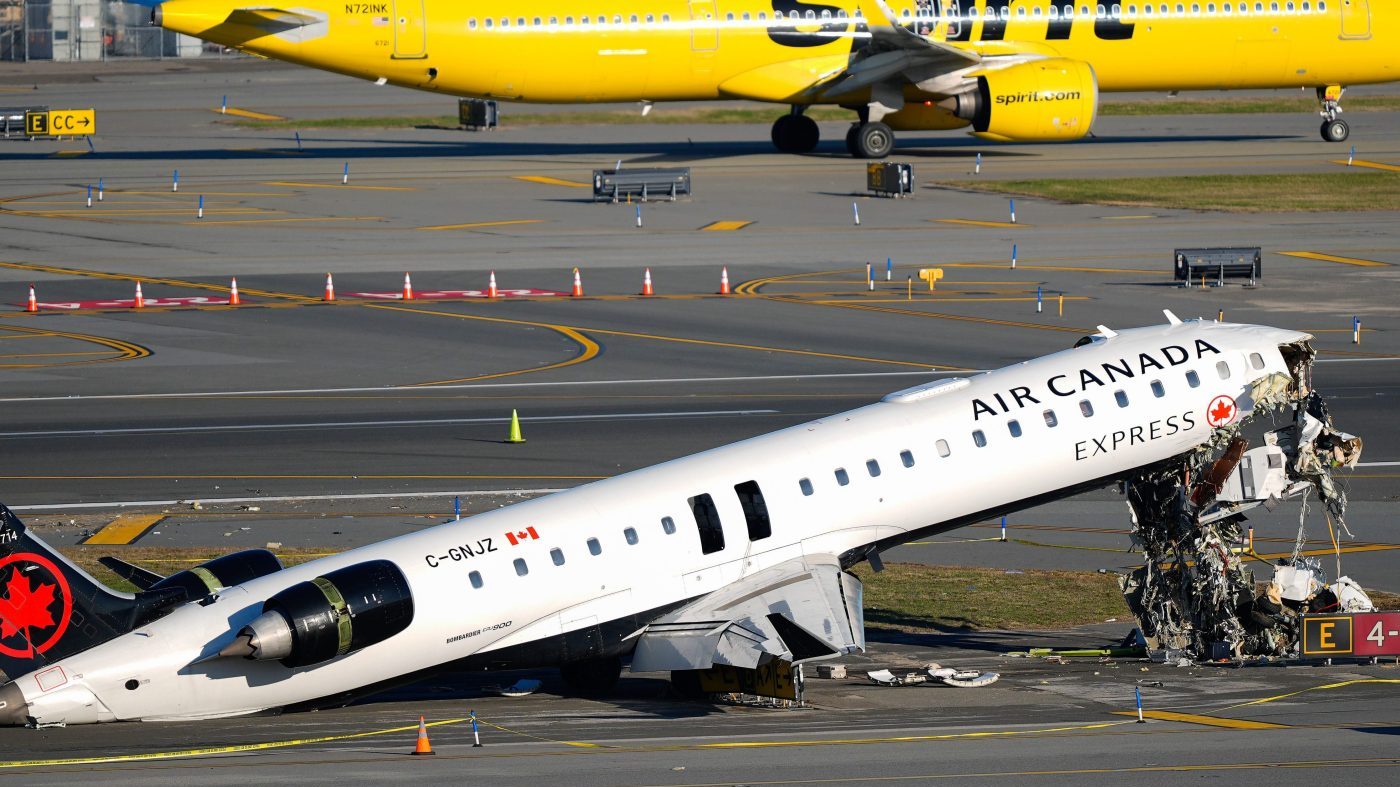
Federal investigators are zeroing in on the decision-making of an air traffic controller following a catastrophic runway collision at New York's LaGuardia Airport that killed two pilots and injured dozens. The National Transportation Safety Board (NTSB) confirmed it will interview the controller who was managing traffic when an Air Canada Express jet struck a Port Authority fire truck late Sunday night.
Focus on Situational Awareness
According to former NTSB investigator Greg Feith, the central question for the probe is whether the controller experienced a lapse in "situational awareness"—the critical, real-time understanding of all factors affecting flight safety. "The question for investigators right now is, how did this air traffic controller clear the fire truck to cross runway four, when he was also responsible for providing clearance for the Air Canada flight to land on runway four?" Feith stated during a television interview.

He elaborated that investigators must determine if the controller forgot about the landing clearance entirely or mistakenly believed the emergency vehicle could cross the runway before the jet arrived. The Federal Aviation Administration defines situational awareness as the accurate perception of all elements—including flight, pilot, aircraft, and environment—that comprise any aviation scenario.
Chaos Preceding the Crash
The collision occurred during a period of heightened chaos in the control tower. Audio recordings reveal controllers were simultaneously managing an unfolding incident involving a United Airlines flight, which had twice aborted its takeoff due to a reported odor. With no available gate, controllers and the pilot engaged in extended radio discussions while ATC attempted to coordinate with the airline.
As a temporary solution, controllers dispatched fire trucks toward the stationary United aircraft and offered stairs for a potential evacuation, all while handling other air traffic. The tense situation culminated in a frantic radio warning: "Stop, stop, stop, Truck 1. Stop, stop, stop." The warning came too late to prevent the collision with the landing Air Canada jet.
NTSB Chair Jennifer Homendy noted the crash happened during an overnight shift, and investigators are verifying controller schedules and shift change timings. "Typically, they would be removed from duty, and certainly it's pretty traumatic for that air traffic controller as well," Homendy said, confirming the controller would be interviewed alongside other tower personnel. This incident highlights systemic pressures, reminiscent of the operational strains seen during events like a DHS shutdown that can delay NTSB probes and create staffing crises.
Broader Implications for Aviation Safety
The fatal crash has intensified scrutiny on the complex, high-stakes environment within air traffic control facilities, where personnel must constantly juggle multiple emergencies and routine operations. The investigation will likely examine protocols for managing simultaneous ground and air emergencies, especially at congested airports like LaGuardia.
The NTSB's findings could prompt significant policy reviews regarding controller workload, training, and technology designed to prevent such losses of situational awareness. The agency is expected to provide further details in an upcoming briefing on the fatal LaGuardia runway collision.
This tragedy underscores the critical role of clear communication and procedural adherence in aviation safety, a principle that extends beyond transportation into other realms of national security and policy, where lapses in awareness can have grave consequences. The rigorous investigation mirrors the detailed scrutiny applied to other high-stakes government operations, similar to analyses of military strategy warnings from former officials.