The ongoing Department of Homeland Security funding lapse is now directly impeding federal accident investigations, according to the head of the National Transportation Safety Board. Chair Jennifer Homendy said Monday that her team's response to a fatal runway collision at New York's LaGuardia Airport was significantly delayed because investigators were stuck for hours in security checkpoint lines at airports across the country.
Investigation Hampered by Travel Delays
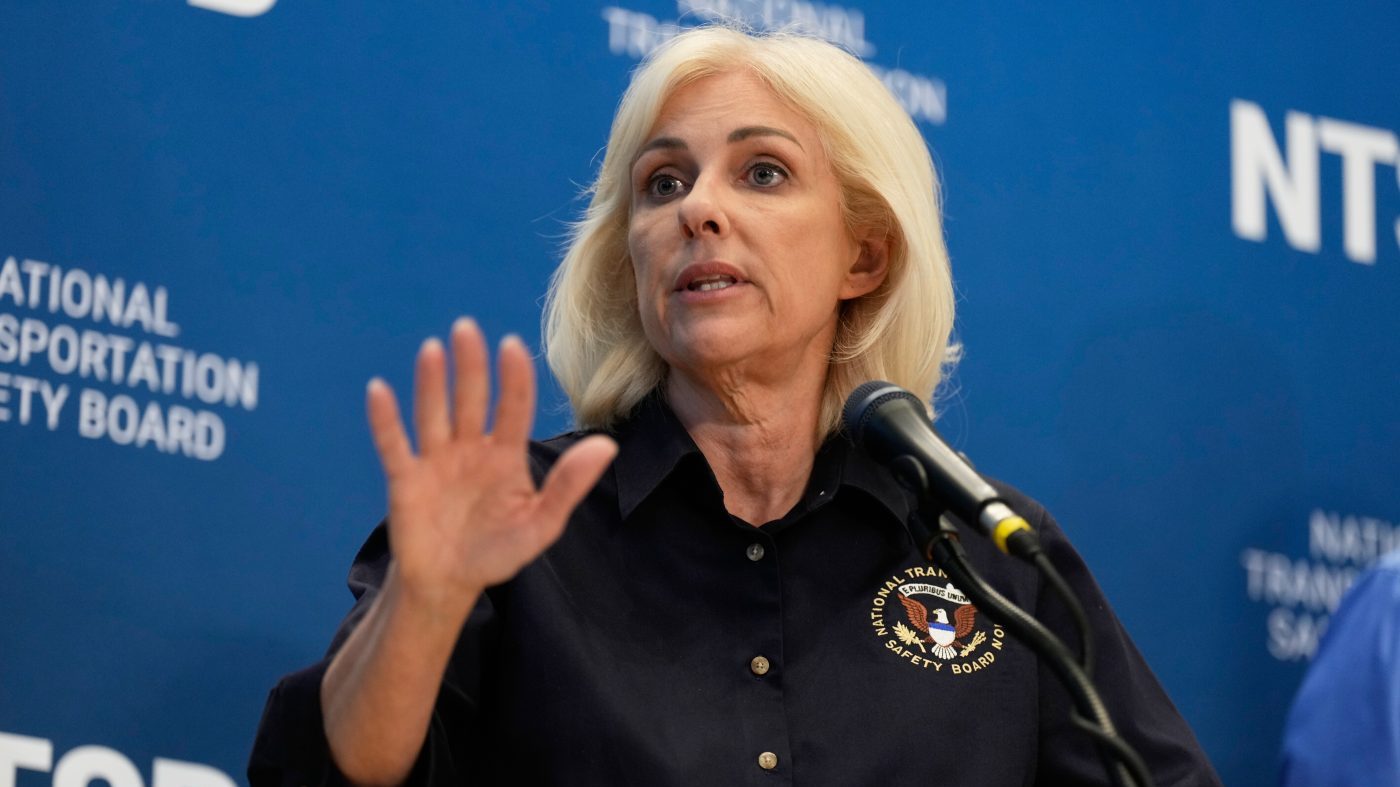
Homendy detailed the challenges during a news conference Monday evening, stating that one critical investigator—an air traffic control specialist—was stranded in a three-hour security line at Houston's airport. Officials had to "beg to see if we can get her through," Homendy said. The team, arriving by plane, train, and automobile, was still trickling in as she spoke. The incident underscores how the DHS shutdown cripples airport security operations beyond passenger inconvenience, affecting core government functions.

The crash under investigation occurred late Sunday when a Jazz Aviation flight operating for Air Canada, carrying 72 passengers and 4 crew members, struck an emergency vehicle on the runway while attempting to land. The pilot and co-pilot were killed. Forty-one passengers were transported to hospitals, though most have been released. Port Authority of New York and New Jersey Executive Director Kathryn Garcia confirmed the aircraft hit a fire truck that was responding to a separate incident involving a United Airlines flight.
A Complex and Hazardous Scene
Homendy described a "tremendous, tremendous amount of debris" scattered across the runways, creating an expansive and hazardous work zone for investigators. "As you’re walking around, you can get injured," she warned, noting the presence of hazardous materials from the firefighting vehicle. The aircraft's cockpit voice recorder and flight data recorder—the so-called black boxes—have been recovered and sent to an NTSB laboratory in Washington, D.C. for analysis. Further details on the investigation are expected from officials, as previewed in our coverage of the upcoming briefing on the fatal LaGuardia collision.
The travel delays faced by the NTSB team are a symptom of a deepening crisis within the Transportation Security Administration. With TSA officers working without pay due to the shutdown, callout rates have increased and hundreds have resigned. Acting DHS Assistant Secretary for Public Affairs Lauren Bis confirmed to The Hill that more than 400 TSA officers have quit since the partial government shutdown began on February 14.
ICE Deployment and Political Stalemate
In response to the mounting airport disruptions, Immigration and Customs Enforcement officers were seen at multiple airports Monday. This followed an announcement by President Trump that he would deploy them to assist. However, former acting ICE Director Tom Homan told CNN on Sunday he did not expect immigration officers to conduct passenger screening. "Wherever we can provide extra security, I don’t see an ICE agent looking at an X-ray machine, because we’re not trained in that," Homan said. This ICE airport deployment has been called a security risk by critics who argue it misapplies personnel and training.
The situation places intense pressure on Washington to resolve the impasse. The shutdown, now stretching for weeks, has moved from a political dispute to a tangible national security and safety concern. As airport chaos mounts, there are signs Trump may be shifting his stance, opening a path to end the DHS shutdown. Meanwhile, congressional Democrats have shown no sign of relenting, instead digging in on ICE reforms as the DHS shutdown strains airports and national security.
The LaGuardia incident is a stark example of the cascading effects of the funding lapse. A federal agency tasked with determining the cause of a major transportation disaster and preventing future ones found itself hamstrung by a political standoff over homeland security funding. The delay in deploying a full investigative team can impact the timely collection of perishable evidence and witness accounts, potentially complicating the inquiry into the crash that killed two pilots in a collision between a landing jet and an emergency vehicle.
As the investigation proceeds, the operational fallout from the DHS shutdown continues to expand, moving from passenger queues to the core investigative capabilities of the federal government, raising urgent questions about the real-world cost of the political deadlock.