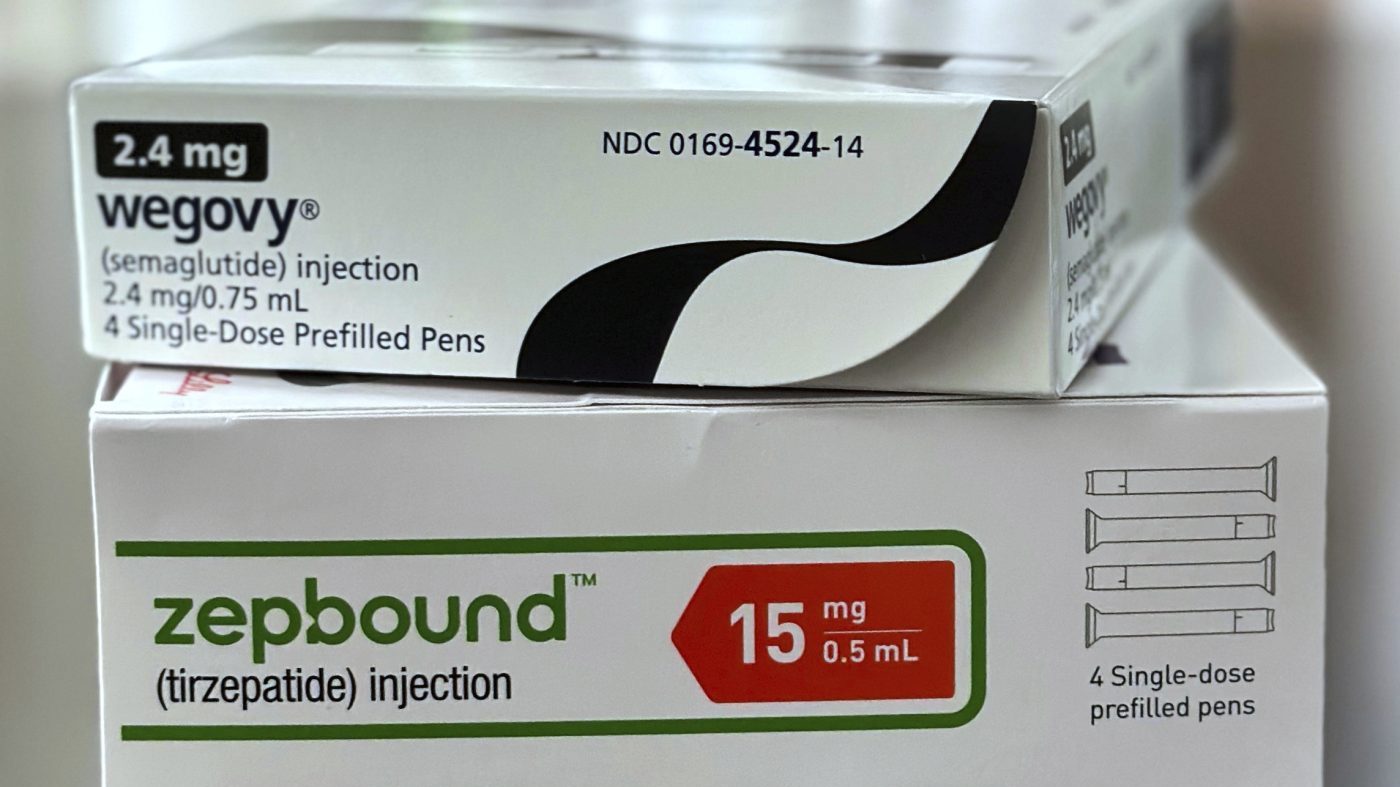
Novo Nordisk escalated its battle with Eli Lilly in the lucrative weight loss drug market on Tuesday, filing a lawsuit that accuses its rival of running deceptive advertisements. The complaint, lodged in federal district court in New Jersey, alleges that Lilly cherry-picked outdated clinical data to claim that its drugs Mounjaro and Zepbound lead to significantly more weight loss than Novo Nordisk's Ozempic and Wegovy.
According to the lawsuit, Lilly's advertising campaigns compare higher doses of its own medications against lower doses of Novo's, while omitting newer, higher-dose versions that have been approved by the Food and Drug Administration. "Lilly clearly knows that the Food and Drug Administration has approved newer, more effective doses of Novo Nordisk's medicines that offer patients additional weight reduction or glycemic control," the complaint states. "But Lilly omits that information."
No head-to-head clinical trials have directly compared the highest approved doses of each company's drugs. However, Novo Nordisk argues that more recent data shows its products can achieve weight loss comparable to Lilly's. The Danish drugmaker contends that Lilly's ads, which have aired nationally on major broadcast and cable networks and through sponsored content on platforms like TikTok and Facebook, reach millions of consumers with a misleading message.
Eli Lilly has acknowledged the existence of a higher dose of Wegovy in a small footnote at the bottom of its advertising screens. But Novo Nordisk's legal team called that disclaimer "ambiguous, confusing, virtually illegible, and wholly inadequate." The company had previously sent a cease-and-desist letter after the FDA approved a 7.2-milligram dose of Wegovy, but said it received no response.
In a statement, Lilly defended its ads, pointing to what it says is the only trial that directly compares the two companies' respective drugs. "Rather than compete on the merits of its products, Novo is asking a court to stop Lilly from communicating the results of that trial," the statement read. "We stand firmly behind our advertising. It is truthful, it is transparent, and it is grounded in the most direct scientific evidence available — exactly what patients deserve. We will continue to focus on the science and defend against this lawsuit vigorously."
Novo Nordisk is seeking a permanent injunction that would force Eli Lilly to pull the ads from all platforms and run a corrective advertising campaign. If Lilly does not voluntarily remove the ads, Novo says it will file a motion for a preliminary injunction in the coming days. The legal action marks a significant escalation in the fierce rivalry between the two pharmaceutical giants for dominance in the U.S. obesity drug market, which analysts project will be worth more than $100 billion by 2030.
"Healthcare companies have a responsibility to keep their public claims accurate and current — ineffective, fine-print disclaimers do not fix the misleading impression created by major national campaigns," said John Kuckelman, Novo Nordisk's senior vice president and group general counsel, in a statement.
The case highlights the high stakes in the weight loss drug sector, where demand has surged in recent years. A recent report showed that GLP-1 weight loss drug use has risen to 11% of U.S. adults, even as obesity rates begin to dip. Meanwhile, policymakers are also taking note: Medicare is set to offer GLP-1 drugs for $50 a month starting in 2026, potentially reshaping access and competition.