In a strategic move to bolster its research pipeline and operational efficiency, Danish pharmaceutical leader Novo Nordisk announced a partnership with artificial intelligence firm OpenAI on Tuesday. The collaboration aims to deploy AI technology across the company's entire spectrum of activities, from initial drug discovery to manufacturing and distribution.
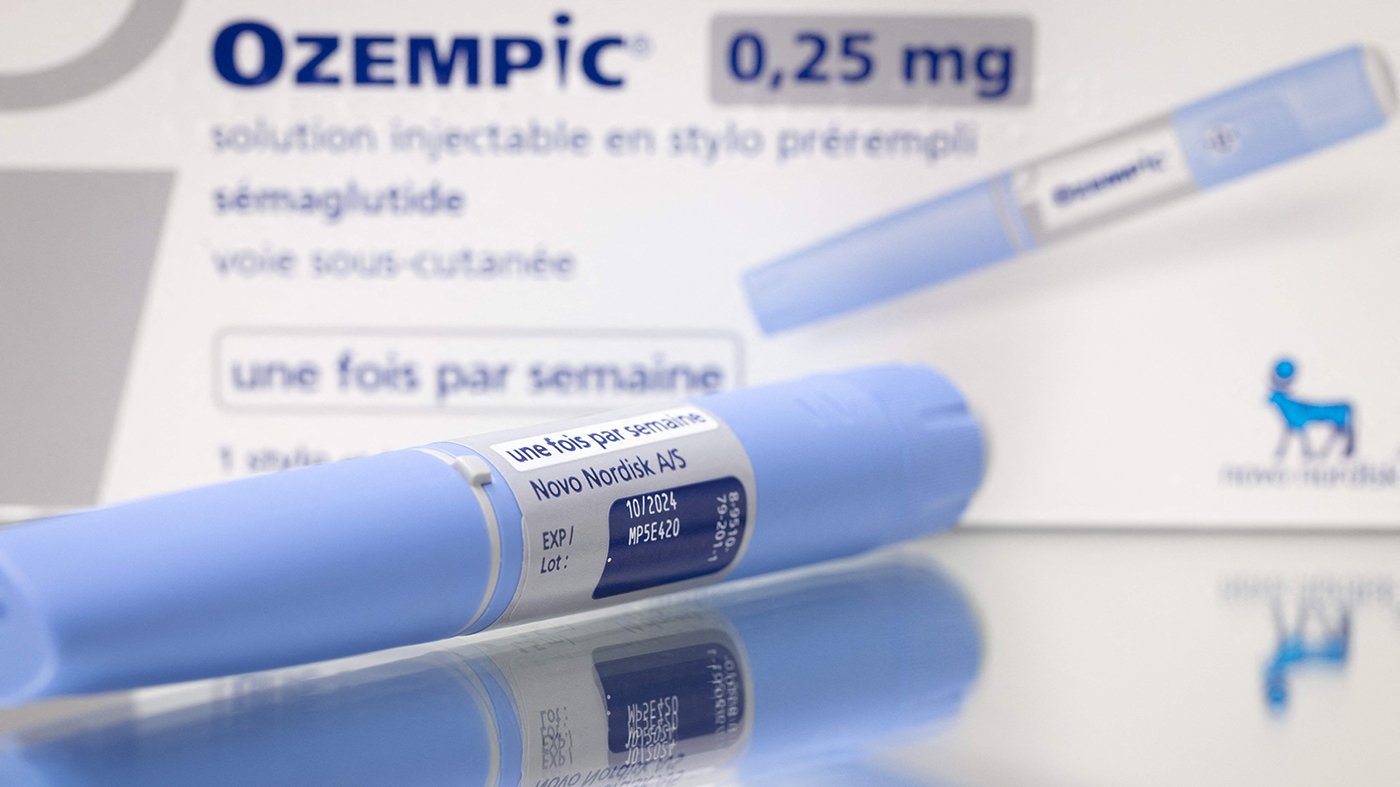
The agreement comes as Novo Nordisk faces mounting pressure in the lucrative and rapidly expanding market for weight-loss medications. The company, which manufactures the blockbuster drugs Ozempic and Wegovy, stated that AI will be used to analyze vast and complex biological datasets, identify promising new drug candidates, and significantly shorten the traditional timeline from laboratory research to patient application.

AI as a Catalyst for Discovery
"Integrating AI in our everyday work gives us the ability to analyse datasets at a scale that was previously impossible, identify patterns we could not see, and test hypotheses faster than ever," said Novo Nordisk President and CEO Mike Doustdar. He emphasized that the partnership is structured with stringent data protection protocols and human oversight to ensure ethical compliance.
Doustdar framed the initiative as a response to urgent medical needs. "There are millions of people living with obesity and diabetes who need treatment options, and we know there are therapies still waiting to be discovered that could change their lives," he said. The company expects AI to be fully integrated into its core functions by the end of the year.
Industry-Wide Shift and Competitive Landscape
This partnership reflects a broader industry trend where pharmaceutical giants are increasingly turning to artificial intelligence to streamline clinical development. AI applications now span the discovery phase, formulation testing, and dosage optimization, promising to reduce both costs and time-to-market for new therapies.
The announcement follows closely on the heels of significant market developments. Just weeks ago, the U.S. Food and Drug Administration approved a new once-daily weight-loss pill, Foundayo, from American rival Eli Lilly. This marks the second oral GLP-1 medication to enter the market, directly competing with Novo Nordisk's offerings. The competitive pressure is palpable, making technological acceleration a business imperative.
OpenAI CEO Sam Altman endorsed the collaboration's potential impact. "AI is reshaping industries and in life sciences, it can help people live better, longer lives," Altman said in a statement. "This collaboration with Novo Nordisk will help them accelerate scientific discovery, run smarter global operations, and redefine the future of patient care." This move occurs as OpenAI itself faces heightened regulatory scrutiny from state officials over broader security concerns.
Regulatory and Operational Challenges
Novo Nordisk's push for innovation unfolds against a backdrop of regulatory challenges. In early March, the FDA issued a warning to the company over alleged failures to report adverse side effects, including patient deaths, associated with its weight-loss medications. This underscores the high-stakes environment in which the company operates, where safety oversight must keep pace with rapid development and scaling.
The company stated the AI integration will extend beyond R&D to streamline manufacturing, supply chain logistics, and corporate operations. This holistic approach suggests an effort to build a more resilient and responsive organization capable of sustaining its market leadership. The partnership also highlights how major technology firms are becoming deeply embedded in critical sectors like healthcare, a trend that is likely to attract further policy discussions around AI governance and its societal role.
As the global demand for effective obesity and diabetes treatments continues to surge, the race for the next generation of therapies is intensifying. Novo Nordisk's alliance with one of the world's foremost AI labs signals a definitive shift in how pharmaceutical innovation is pursued, betting that the fusion of biotechnology and artificial intelligence will be the key to unlocking future medical breakthroughs and maintaining a competitive edge.