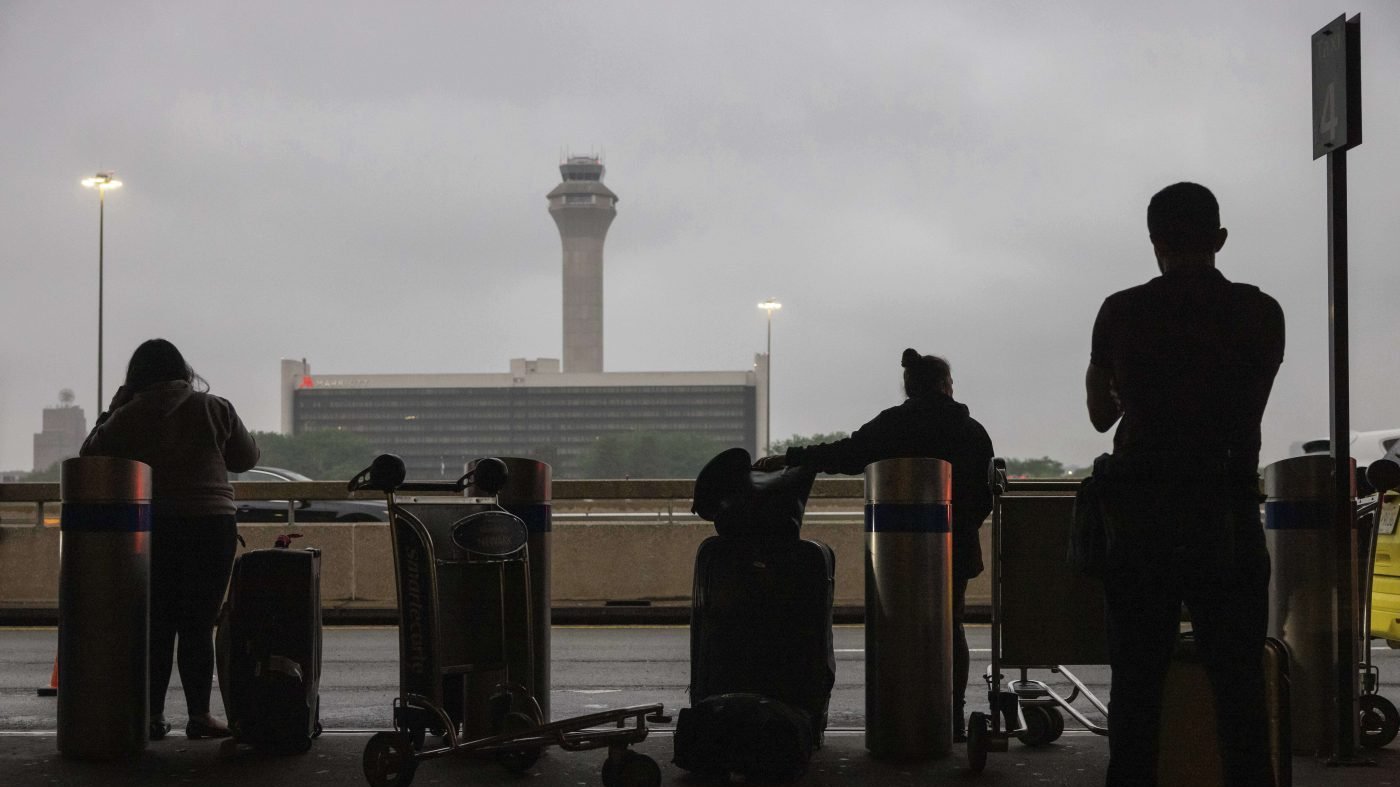
The Federal Aviation Administration ordered a temporary halt to all arrivals and departures at Newark Liberty International Airport on Monday after air traffic controllers evacuated the facility's control tower. The evacuation was prompted by reports of a burning odor emanating from an elevator within the tower structure.
Immediate Operational Pause
According to an FAA statement, the evacuation occurred shortly after 7:30 a.m. Eastern Time, forcing an immediate operational pause at one of the nation's busiest aviation hubs. The agency confirmed that air traffic management personnel cleared the tower as a precaution while emergency responders investigated the source of the suspicious smell.

This disruption adds to a series of operational challenges that have recently affected the New York metropolitan area's aviation network. Last spring, Newark experienced significant delays and cancellations, including a notable incident in late April when controllers temporarily lost communication with aircraft, resulting in hundreds of disrupted flights.
Regional Aviation Under Scrutiny
The Newark incident follows a deadly collision late Sunday at nearby LaGuardia Airport, where a Jazz Aviation flight operating for Air Canada struck a fire truck on an active runway. Port Authority of New York and New Jersey Executive Director Kathryn Garcia stated the emergency vehicle was crossing the runway in response to an unrelated incident involving a United Airlines flight when the collision occurred.
The crash resulted in the deaths of both pilots and sent forty-one passengers to area hospitals. These consecutive incidents raise questions about operational safety and infrastructure resilience within the region's critical aviation infrastructure, which has faced persistent staffing and resource challenges affecting security and operations.
Aviation experts note that such disruptions in major transportation hubs have cascading effects nationwide, potentially impacting commercial logistics, business travel, and economic activity. The concentration of incidents in the Northeast corridor—home to three of the nation's busiest airports—highlights systemic vulnerabilities in aging infrastructure.
Broader Context of Infrastructure Strain
These aviation incidents occur against a backdrop of increasing strain on national security and transportation systems. While domestic infrastructure faces challenges, international tensions continue to demand military and diplomatic attention, with ongoing military commitments in volatile regions stretching defense resources.
The FAA's response to the Newark incident demonstrates standard emergency protocols, but repeated disruptions at major hubs suggest deeper systemic issues requiring policy attention. Transportation security and infrastructure maintenance have become increasingly politicized, with funding debates often stalling necessary upgrades.
As investigations into both the Newark evacuation and LaGuardia collision proceed, aviation authorities face mounting pressure to ensure system reliability. The incidents underscore how localized technical or safety issues can rapidly escalate into significant transportation crises with national implications.