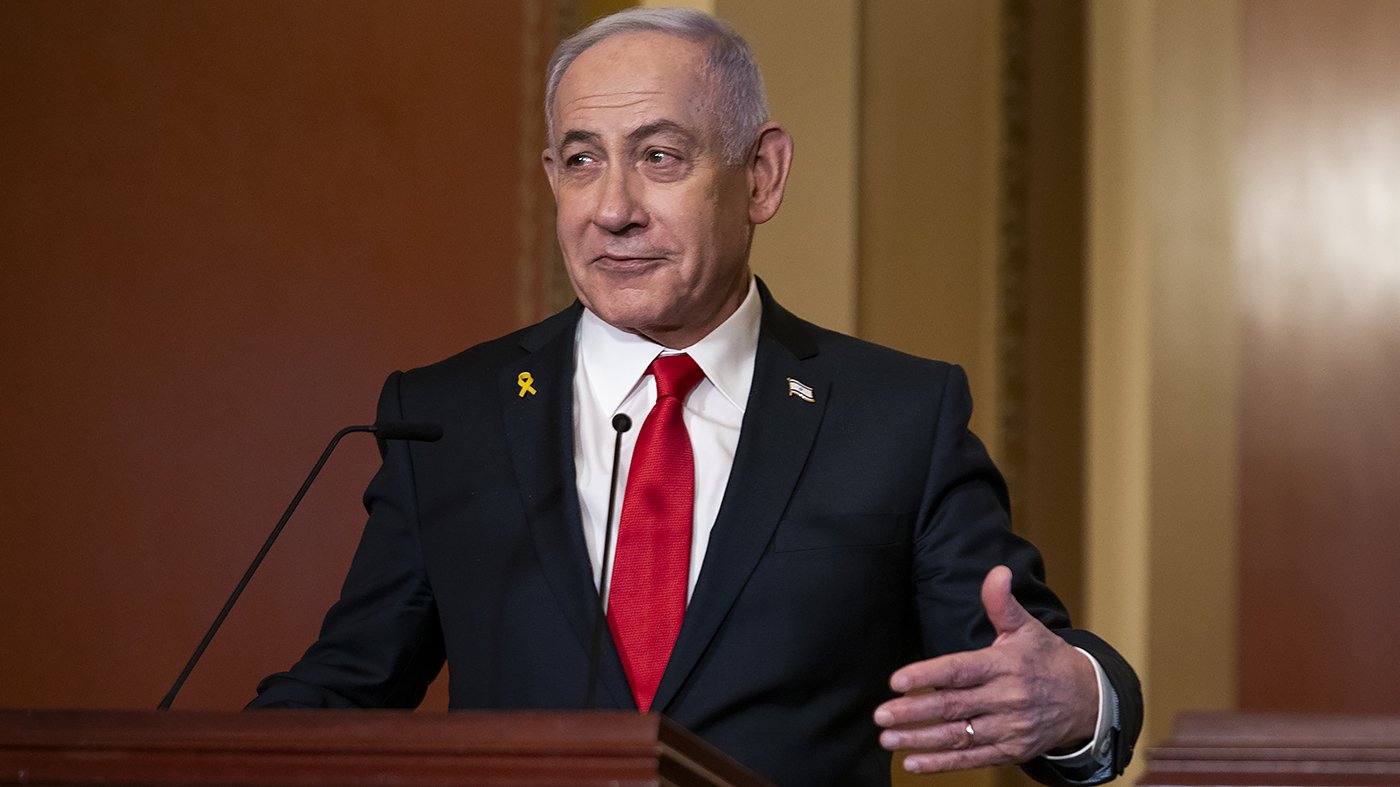
Israeli Prime Minister Benjamin Netanyahu has pushed back against Vice President Vance's admonition that Israeli officials should avoid criticizing the Trump administration's Iran peace deal, asserting that Israel enjoys a broad network of allies worldwide. In a Fox News interview, Netanyahu declared, 'We have many, many friends,' directly countering Vance's earlier remarks.
Vance had warned last month that if he were in Israel's cabinet, he 'might not be attacking the only powerful ally that I have anywhere left in the entire world.' The comment was seen as a sharp rebuke to Netanyahu's reported frustration over the U.S.-Iran memorandum of understanding (MOU).
Netanyahu, however, dismissed the notion that Israel is diplomatically isolated. He noted that numerous world leaders reach out to him seeking collaboration on technology and military expertise. 'Israel is the No. 2 country in cyber in the world,' he said, highlighting the country's advanced capabilities in artificial intelligence and cybersecurity. 'The relations are not quite as they appear.'
The prime minister emphasized his respect for Vance and described their relationship as 'very good,' but stressed that disagreement is possible. 'It doesn't mean that I agree with everything that he says,' Netanyahu added, while reaffirming his strong bond with President Trump, whom he called 'the greatest friend we've ever had in the White House.'
Netanyahu also pointed to other allies, such as India, and referenced his 'Facebook thing'—apparently alluding to widespread social media support—as evidence of Israel's global backing. 'I'm just flooded by the overwhelming support there,' he said.
The tension between Netanyahu and the Trump administration surfaced after the U.S.-Iran MOU was signed. Axios reported that the Israeli leader was 'fuming' over the deal, which includes provisions for a ceasefire between Israel and Lebanon. Vance acknowledged that the report did not match his conversations with Netanyahu but left open the possibility that the prime minister was 'saying something to somebody else.'
President Trump has reportedly expressed anger at Netanyahu for continuing strikes on Lebanon, which Trump believed could undermine the fragile Iran deal. Netanyahu, however, has insisted that Israel's security remains his top priority and that he and Trump do not always see 'eye to eye.'
Iran has made clear that a ceasefire between Israel and Hezbollah in Lebanon is a key component of the MOU. Last month, Netanyahu stated that his military has 'no restrictions' in targeting Hezbollah, putting further strain on the already shaky truce. The Israel Defense Forces have conducted strikes on Beirut's southern suburbs, resulting in dozens of civilian casualties.
The dispute underscores the complex dynamics within the U.S.-Israel alliance, as both sides navigate competing priorities in the region. For more on Vice President Vance's evolving role in foreign policy, see Hegseth Fades from Iran Spotlight as Vance Takes Lead on Fragile Deal. Meanwhile, the administration's broader approach to international agreements has drawn scrutiny, as noted in Belgian Minister Blasts Trump's FIFA Call as Assault on Soccer's 'Basic Rules'.