European officials are sharply criticizing President Donald Trump's direct appeal to FIFA President Gianni Infantino after the governing body overturned a one-game ban for U.S. striker Folarin Balogun, a decision that has ignited a diplomatic row ahead of the World Cup knockout stage.
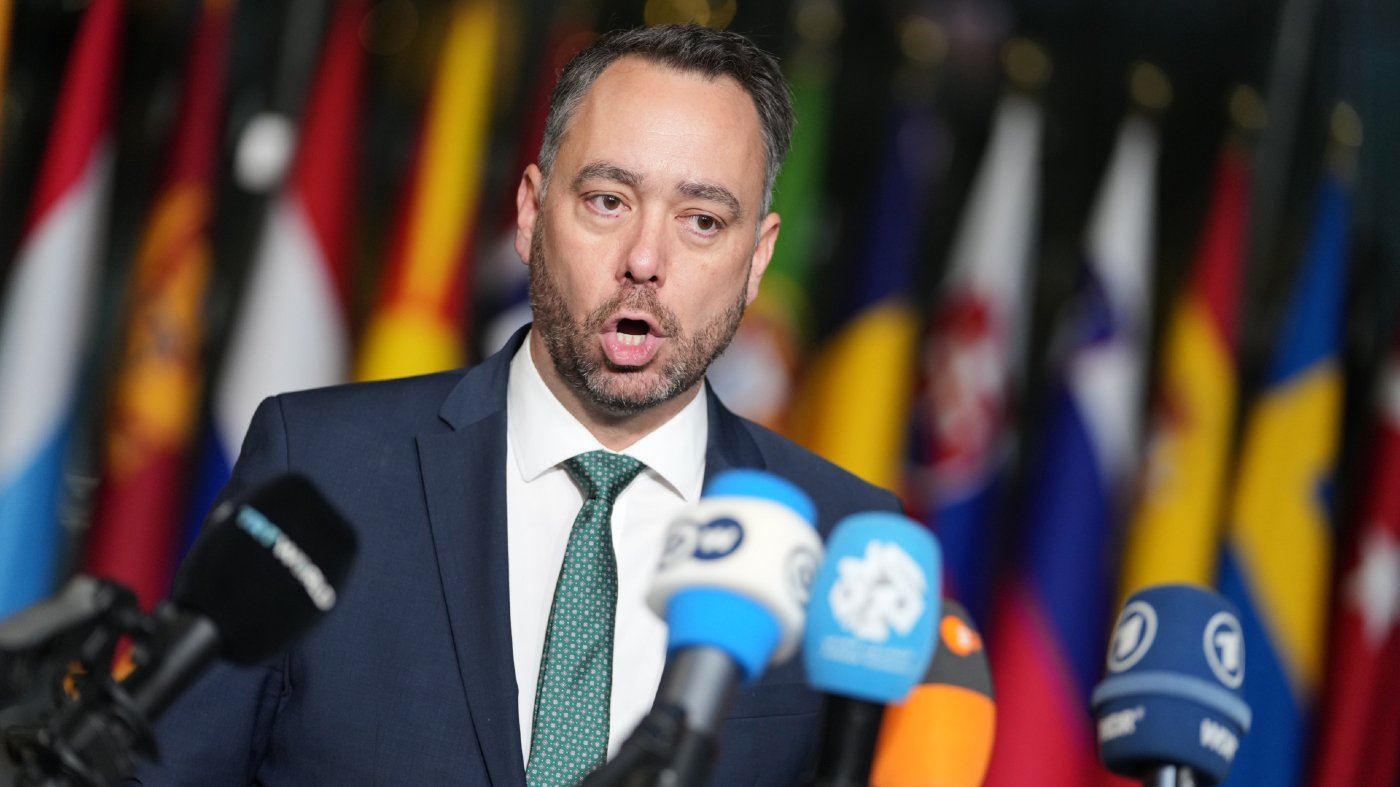
Belgian Foreign Minister Maxime Prévot, a former soccer referee, said Monday that the reversal undermines the integrity of the sport. “This decision clearly raises many questions,” Prévot said in a statement reported by The New York Times. “If a phone call really is what explains this incomprehensible decision, it would amount to undermining the most basic rules of soccer and sports.” Belgium faces the U.S. in the round of 16 on Monday night.
The Union of European Football Associations (UEFA) and the Royal Belgian Football Association (RBFA) also registered strong objections. “Football, like any other sports, relies on rules, which are the basis for fair, honest and transparent competition. Sometimes rules are open to interpretation. In this case not,” UEFA said in a statement, denouncing FIFA's decision to let Balogun play.
Belgium's soccer federation argued the reversal violates Article 10.5 of FIFA's competition regulations. “The same rule is reiterated at every FIFA World Cup 2026 Match Coordination Meeting prior to each match and is included in all FIFA World Cup 2026 workshop presentations,” the RBFA said. “In order to safeguard the legitimate rights of all participating teams and to protect the fundamental principles of fair play in our sport, both at this FIFA World Cup and at future editions of the tournament, the RBFA is investigating all potential options.”
After sending a formal letter to FIFA on Monday, Belgium secured permission to appeal the ruling. Both Belgium and the U.S. team submitted information by 8 a.m. EDT, but no timeline for a decision has been announced.
Trump defended his call in the Oval Office on Monday morning, saying Balogun “didn't do anything wrong” and that the red card was unfair to a key player. “I didn't know what that meant. I didn't think it meant much,” Trump said. “Then I started hearing that that means you can't play in the next game... I said, boy, that's a big, you know, that happened to another player. It would have been unfair.”
U.S. Ambassador to Belgium Bill White said Trump merely asked for a review of the referee's call, which led to a one-year probationary period for Balogun. “President Trump would never interfere with the inner workings of FIFA. President Trump thanked FIFA after the fact,” White wrote on X. “When you are having the world championship it's very good to review important decisions so that the games are fair. The stakes are too high for a wrong decision.”
This is not the first time Trump has weighed in on sports officiating. In a related development, Trump labeled the World Cup referee “suspect” after the overturned red card. The controversy has also drawn criticism from other national coaches, with Norway's coach calling the reversal a “bad decision.”
Critics see Trump's intervention as part of a broader pattern of using personal influence to bend institutional rules. Trump himself claimed his call triggered the overturn, raising questions about the independence of sports governance. As Belgium prepares to face the U.S. on the pitch, the political fallout from this episode is far from over.