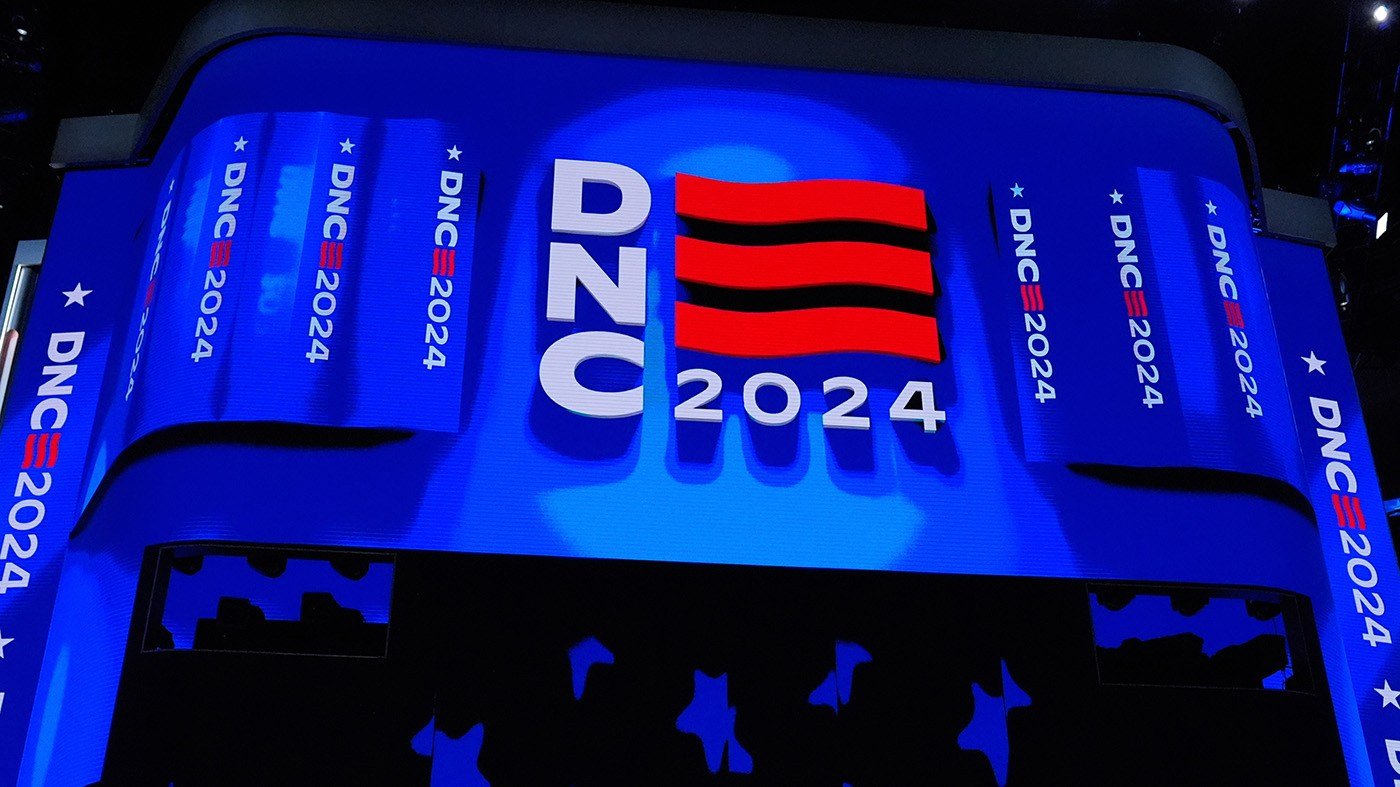
The Democratic National Committee has trimmed its list of potential host cities for the 2028 presidential nominating convention to three: Boston, Denver, and Philadelphia. The announcement, made Thursday by DNC Chair Ken Martin, sets the stage for a decision that will shape how the party introduces its next standard-bearer to the national stage.
In a post on X, Martin praised all three finalists, saying, “Each city presented strong bids to host an inspiring celebration of our party’s future nominee and a critical step on our path to retaking the White House.” He added that the DNC looks forward to working with the finalists as it makes a final selection over the coming months.
The three cities carry significant political symbolism. Philadelphia last hosted the convention in 2016, when Hillary Clinton was nominated. Denver was the site of Barack Obama’s historic acceptance speech in 2008, and Boston hosted the 2004 convention that nominated John Kerry. All three are Democratic-leaning strongholds, but each offers a distinct strategic advantage.
Denver has emerged as a hub for the party’s progressive wing, a trend underscored by the June primary upset of incumbent Rep. Diana DeGette by democratic socialist Melat Kiros. That victory signaled a leftward shift in the state’s Democratic politics, making Denver a natural venue for a party looking to energize its activist base.
Boston, meanwhile, boasts a deep-pocketed donor network and is a state that backed Kamala Harris in the 2024 election. The city is often described as the “birthplace of American values,” a narrative that could resonate with voters as Democrats seek to reclaim the mantle of patriotism. Its historical ties to the nation’s founding offer a backdrop that could be leveraged in the party’s messaging.
Philadelphia presents a more complex political calculus. Pennsylvania flipped to Donald Trump in the last presidential election, and the city was the site of an assassination attempt on the then-candidate in Butler, which generated considerable media attention. Democrats have struggled to consolidate support among Black male voters in the city, a demographic that proved pivotal in recent elections. However, the state’s robust union workforce offers an opportunity to rebuild the party’s blue-collar coalition, a key focus as governors’ races emerge as a counterweight to Trump.
The DNC visited all five initial contenders—Atlanta, Chicago, Boston, Denver, and Philadelphia—during April and May. The elimination of Atlanta drew sharp criticism from Mayor Andre Dickens, who accused the party of abandoning the South and Black voters. The DNC’s recent decision to keep South Carolina as the first-in-the-nation primary, however, suggests the party is not entirely retreating from the region.
Martin is expected to announce the final host city in the coming months. The choice will likely be influenced by a mix of logistical capacity, fundraising potential, and the political message the party wants to send as it gears up for the next presidential cycle. With 2028 speculation already swirling around figures like Mark Kelly and Jon Ossoff, the convention site will be a key early marker of the party’s direction.
For now, the three finalists offer Democrats a range of options: Denver for progressive energy, Boston for establishment fundraising, and Philadelphia for swing-state pragmatism. Each would provide a distinctive backdrop for what the party hopes will be a comeback narrative. As Martin noted, the decision is a “critical step” in the path back to the White House.