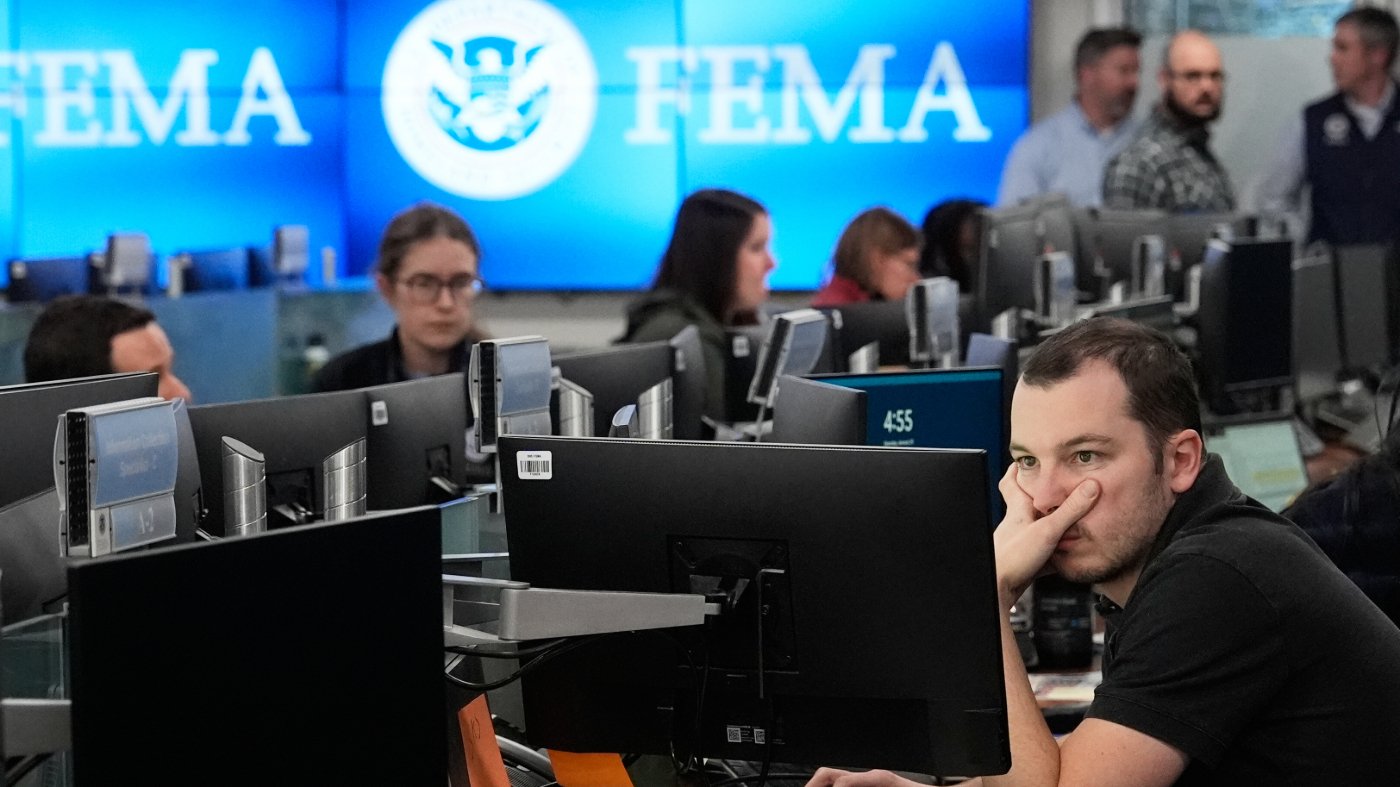
FEMA Faces Potential Transformation Under New DHS Leadership
The Department of Homeland Security enters a new phase this week as Markwayne Mullin officially takes command, with immediate attention focused on pending reforms to the Federal Emergency Management Agency. The Trump administration faces a self-imposed Wednesday deadline to announce recommendations from a FEMA Review Council established by executive order last year.
According to a draft final report dated December 11 and obtained by The Hill, the council—chaired by former DHS Secretary Kristi Noem and Defense Secretary Pete Hegseth—developed sweeping proposals before abruptly canceling a planned public meeting. The document outlines what could become the most significant restructuring of the disaster response agency in decades.

Proposed Staff Reductions and Operational Shifts
The most dramatic recommendation calls for reducing FEMA's overall staffing by approximately 50 percent. The report specifically targets the agency's disaster workforce, which includes temporary, on-call, and permanent personnel deployed to emergency zones. It argues for creating "a more strategic, less personnel-intensive response" that would reserve federal intervention primarily for the largest and most complex catastrophes.
Paradoxically, while advocating these cuts, the document acknowledges that "operational challenges such as staffing shortages have hindered FEMA's effectiveness." The proposal also suggests reviewing Senior Executive Service positions—the agency's most experienced leadership tier—with an eye toward "realigning or reducing" them.
Tightening Disaster Aid and Shifting Financial Burdens
The council's report proposes adjusting FEMA's disaster declaration metrics for inflation, a technical change with substantial practical consequences. According to the document, this adjustment would have prevented 29 percent of disasters declared between 2012 and 2025 from meeting qualification thresholds. The council estimates this would have avoided an average of 16 disaster declarations annually, saving approximately $113 million per year.
Further financial changes include reducing the federal government's share of temporary housing assistance costs from 100 percent to 75 percent. The report also suggests potentially lowering the federal cost share for public assistance from a minimum of 75 percent down to between 50 and 75 percent, shifting more financial responsibility to state and local governments.
Privatization Push for Flood Insurance
A significant policy shift involves the National Flood Insurance Program, which currently insures properties in high-risk areas. The council calls for "incentivizing the launch of a 'take-out program' to transfer policies to the private market," effectively beginning the privatization of federal flood insurance. This aligns with broader administration efforts to reduce government involvement in insurance markets, though critics warn it could leave vulnerable homeowners without affordable coverage.
The timing of these potential changes coincides with broader political developments, including declining presidential approval ratings during international tensions and domestic economic pressures. Meanwhile, internal criticism of administration homeland security policies continues from former officials.
Mullin's confirmation follows his replacement in the Senate by Oklahoma Governor Kevin Stitt's appointment of energy executive Alan Armstrong. The new DHS secretary now oversees an agency at a potential inflection point, with the review council's deadline arriving amid ongoing congressional scrutiny of homeland security operations and funding.
No official announcement has followed the December cancellation, leaving state emergency managers, lawmakers, and disaster preparedness advocates awaiting clarity. The proposed changes would fundamentally alter the federal-state disaster response partnership, potentially testing relationships during what experts predict will be another active hurricane and wildfire season.