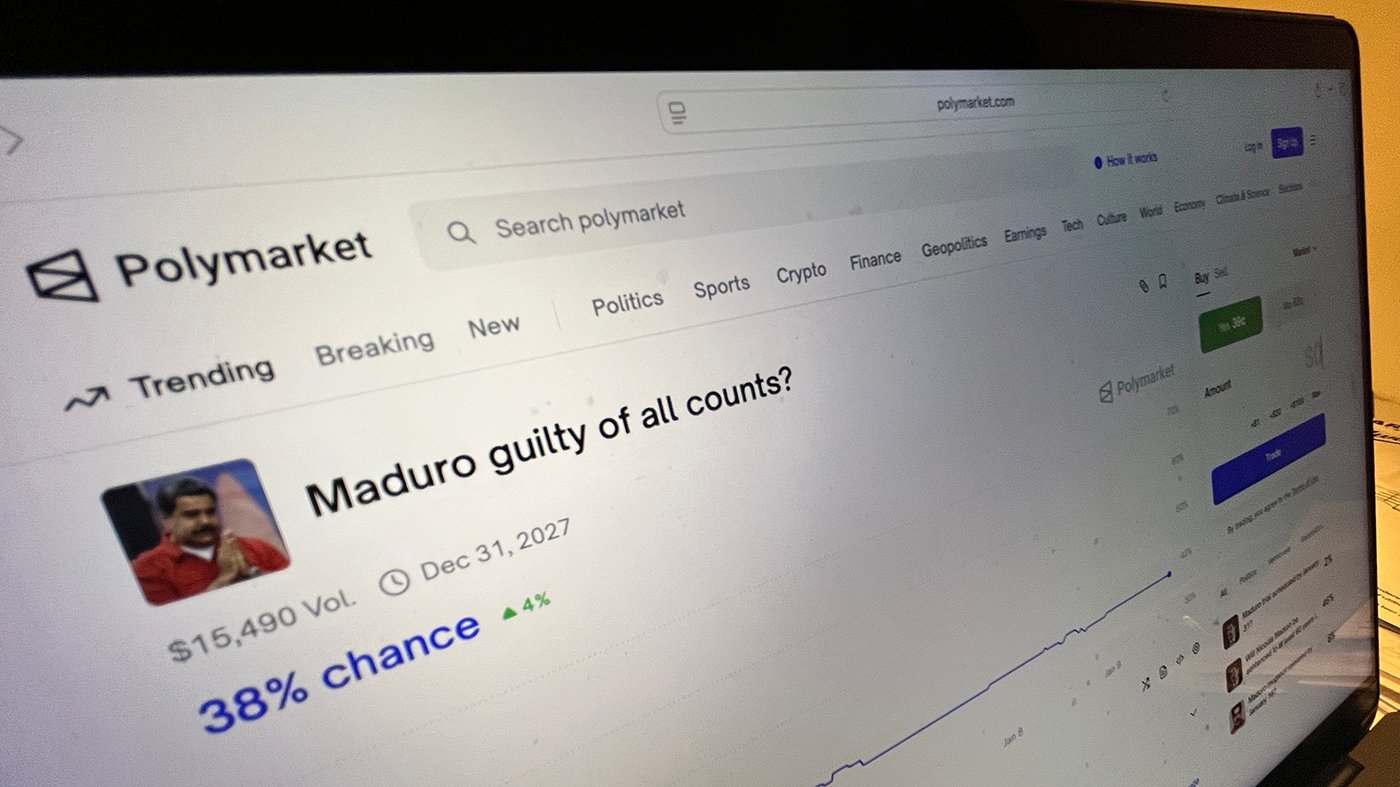
Massachusetts Democratic Representative Seth Moulton issued a scathing rebuke of the prediction market platform Polymarket on Friday after it hosted a betting pool on when a U.S. military pilot, recently shot down over Iran, would be rescued. The platform has since taken down the market, stating it failed to meet internal integrity standards.
In a post on the social media platform X, Moulton lambasted the concept of wagering on the life of a service member. "They could be your neighbor, a friend, a family member," he wrote. "And people are betting on whether or not they'll be saved. This is DISGUSTING." The incident highlights growing political scrutiny of prediction markets that allow betting on geopolitical and security events.

Platform Response and Ongoing Crisis
Polymarket removed the poll shortly after Moulton's criticism. "We took this market down immediately as it does not meet our integrity standards," the company stated on X. "It should not have been posted, and we are investigating how this slipped through our internal safeguards." The controversy erupted amid an active military crisis, following the first downing of a U.S. fighter jet by Iran since hostilities escalated five weeks ago. While one crew member has been rescued, the status of any others remains unclear as the search and diplomatic pressures intensify.
Moulton also pointed to potential conflicts of interest, noting that Donald Trump Jr. is an investor in Polymarket. This connection, Moulton suggested, could theoretically provide access to non-public intelligence, though no specific allegation was made. The platform recently implemented new tools intended to restrict politicians from betting in an effort to curb potential insider trading on its markets.
Broader Legislative Crackdown on Prediction Markets
The congressman's outrage is part of a broader, bipartisan legislative effort to regulate prediction markets. Moulton recently instituted a ban prohibiting his own staff from trading on such platforms. In a statement explaining the move, he argued, "Prediction markets have become a playground for corrupt insiders who are able to place bets on things like election outcomes, wars, and even the deaths of public figures. This is creating a perverse incentive structure that poses a genuine threat to American society today." This stance reflects wider Democratic concerns about systemic risks emerging from new financial and technological arenas.
This is not the first controversy for Polymarket. Last month, users of the platform sent threatening messages to an Israeli journalist after one of his reports on a missile strike became the subject of a poll related to the Israeli-Iran conflict. These incidents have fueled arguments from critics like Moulton that such markets can incentivize harassment and manipulate real-world events.
The political reaction comes at a tense moment in U.S. foreign policy, with the administration navigating a direct confrontation with Iran. The incident underscores the complex intersection of technology, finance, and national security, where platforms designed for speculation can collide with sensitive military operations. As deadlines and diplomatic maneuvers unfold, the scrutiny on ancillary actors like prediction markets is likely to increase.
Moulton's forceful condemnation signals that prediction markets will face continued political and regulatory headwinds. Lawmakers are increasingly viewing them not as harmless forecasting tools, but as potential vectors for insider trading, national security breaches, and profound ethical violations, especially when they touch on matters of life and death for military personnel. The episode may spur further legislative action as Congress grapples with the appropriate boundaries for this emerging sector.