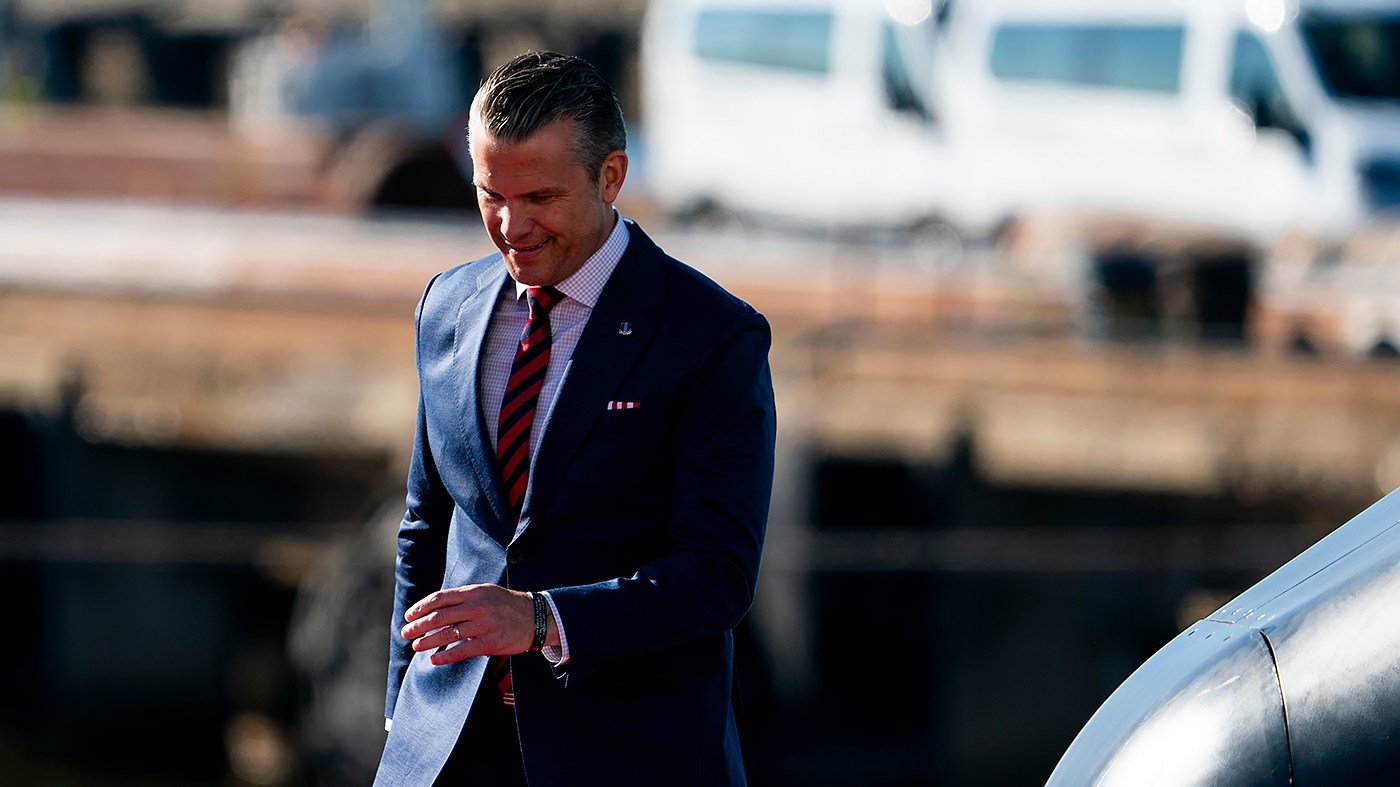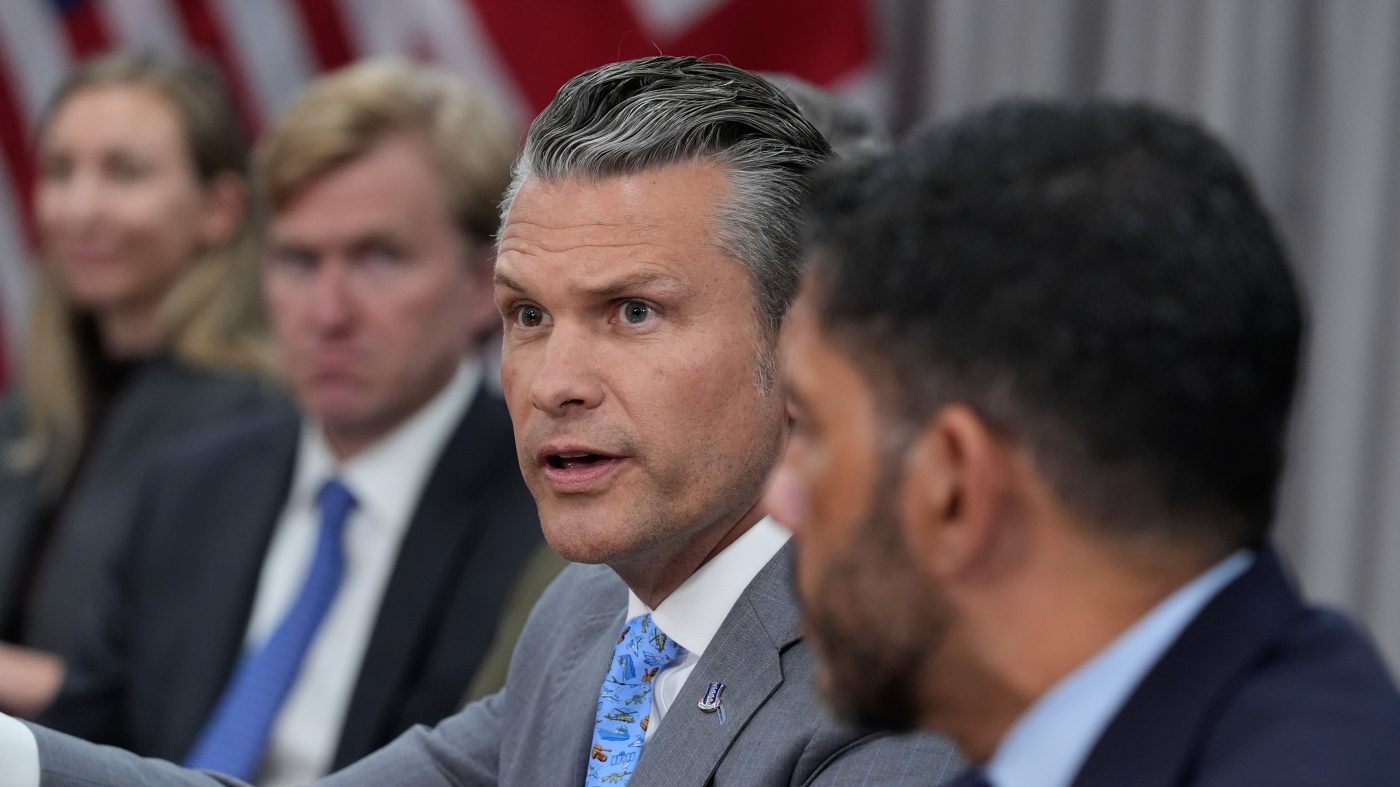
In 1777, Morocco became the first nation to recognize the United States. That history came alive not in a textbook, but in the Pentagon, where senior American defense officials and I recently finalized a new 10-year Defense Cooperation Roadmap. The past felt active, not ceremonial.
From April 14 to 16, acting on instructions from King Mohammed VI, a Moroccan delegation participated in the Morocco-U.S. Defense Consultative Committee in Washington. The meetings were detailed and forward-looking, focused on preparing the relationship for the next decade, not preserving it for history's sake.
The roadmap, covering 2026 to 2036, expands cooperation in defense industry development, cybersecurity, advanced technologies, and deeper operational integration. It provides structure for what has become one of the most reliable defense partnerships the U.S. has on the African continent.
Under Secretary Elbridge Colby captured the spirit at the signing: 'This roadmap will guide our historic defense relationship for the next decade, building on a partnership that began 250 years ago when Morocco was the first nation to recognize the United States.' That sentence stayed with me because later, I stood before the document that started it all.
During the same visit, our delegation viewed the 1786 Treaty of Peace and Friendship between Morocco and the U.S. at the National Archives. Standing before that treaty revealed the unusual depth of this relationship. Few diplomatic ties endure across centuries; fewer remain strategically relevant. The treaty was a reminder that Morocco recognized a young republic when its future was uncertain, creating a foundation of trust that has survived changes in governments, conflicts, and global orders.
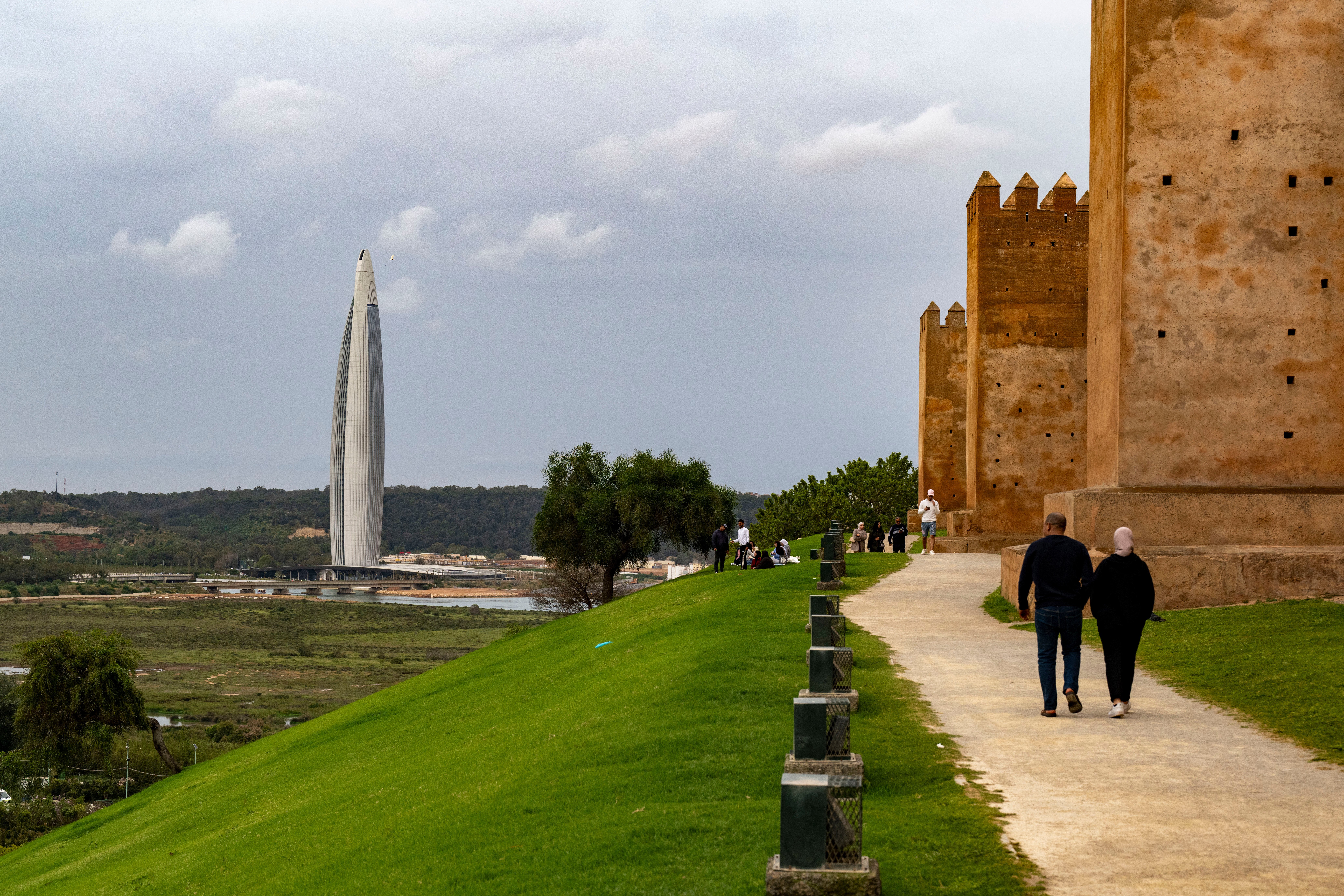
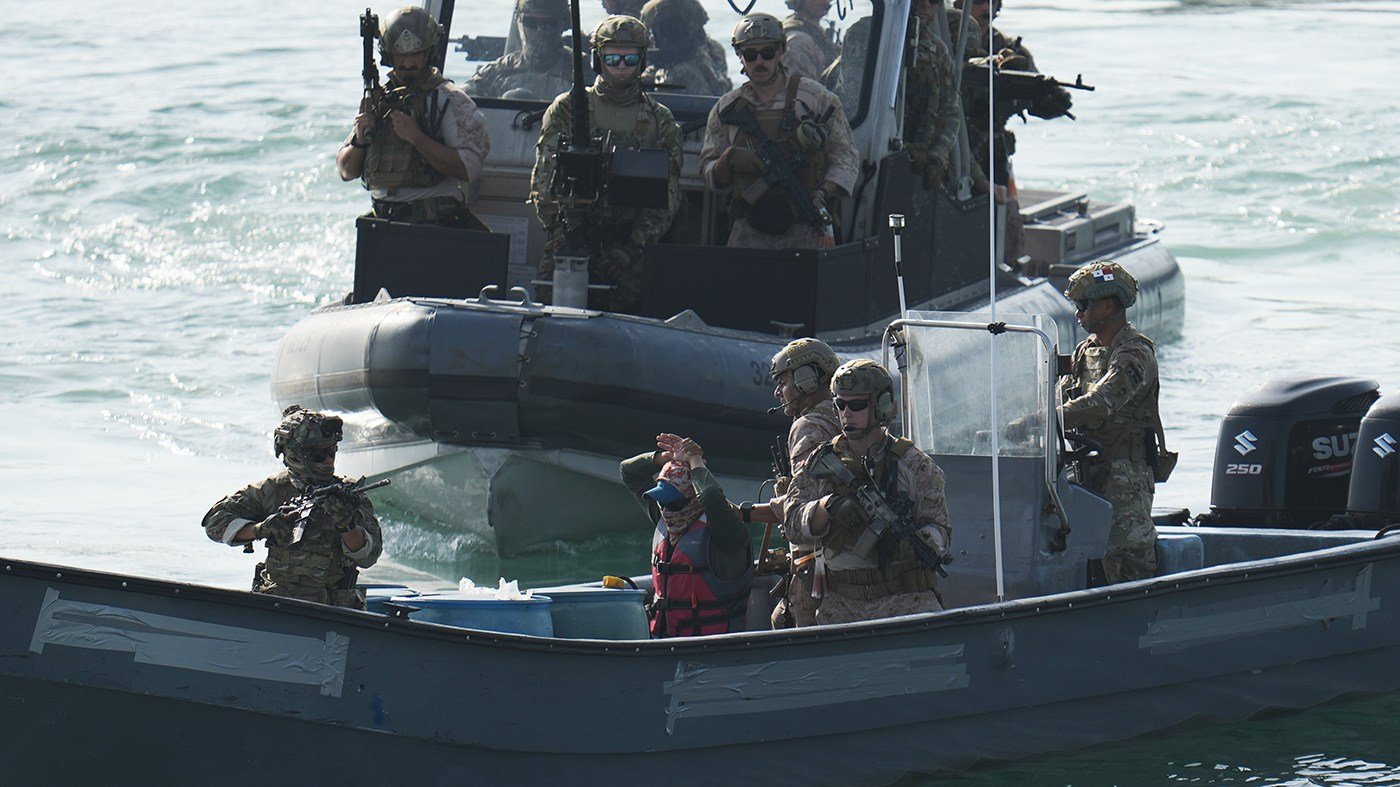
Today, that trust is visible in practical ways. African Lion 2026 opened in Morocco this week, with over 5,000 personnel from more than 40 countries participating across locations like Agadir, Tan-Tan, Benguerir, and Dakhla. Now in its 22nd year with Morocco as a central partner, the exercise remains U.S. Africa Command's largest annual joint exercise on the continent. It includes live-fire training, special operations coordination, command-and-control integration, and testing emerging technologies. The participation of over 30 American defense technology companies adds another dimension: Morocco is not only a security partner but a platform for innovation, training, and regional capability-building.
African Lion is a proof of concept for sustained American partnership in Africa, built on trust, interoperability, technology, and local leadership over time. In a region where some partners have chosen posture over substance and paid for it in strategic isolation, that proof of concept matters. The U.S. is also establishing Africa's first permanent drone training hub in Morocco, selected for Morocco's record of reliability and stability, and for building something larger than a bilateral defense relationship.
That larger vision includes the Atlantic Initiative, which opens direct ocean access for landlocked Sahel nations; the African Atlantic gas pipeline, linking sub-Saharan energy to Mediterranean and European markets; and a domestic reform process that has strengthened institutions and governance capacity. Morocco is defining its strategic role as a bridge between Africa, the Atlantic, the Mediterranean, Europe, and the Arab world. For the U.S., this matters beyond Morocco. Washington needs a model for effective, durable partnership in Africa, and in Morocco, it already has one.
The real question is how to turn a 10-year roadmap into ten years of genuine innovation: in joint doctrine, shared technology development, and the speed at which Moroccan and American forces can operate as one. That is the work the signing made possible, and it cannot be signed into existence. In the Pentagon, I saw a relationship built on trust and utility. At the National Archives, I saw the document that gave it its first durable form. Between those two moments, separated by more than two centuries, one thing had not changed: Morocco's judgment about where to place its trust.
In 1777, that judgment was made before the outcome was certain. Nearly 250 years later, it is not just a monument to history. It is a working alliance being tested, validated, and deepened right now, in continuity, partnership, and friendship. As concerns grow over global security, including security fears ahead of America 250 celebrations and Ebola travel curbs before the 2026 World Cup, this enduring alliance offers a stable counterpoint. Meanwhile, Sweden's quiet emergence as a key tech partner highlights how the U.S. is diversifying its global partnerships.
Youssef Amrani is Morocco's ambassador to the U.S.