The Centers for Disease Control and Prevention announced Friday that measles has now been detected in 43 states, with 2,318 confirmed cases so far in 2026. That figure already exceeds the 2,289 cases recorded during all of 2025, which had been the worst year for the highly contagious virus in more than three decades.
Only seven states have yet to report any measles infections this year, according to the CDC's latest data. The rapid spread has public health officials on edge, particularly as the nation also grapples with a cyclospora outbreak linked to Mexican lettuce that has now reached nine states.
The 2026 measles surge marks the highest level of transmission since 1991, when the U.S. recorded over 2,500 cases. With several months still left in the year, experts warn the final tally could climb significantly higher.
Vaccination gaps fuel spread
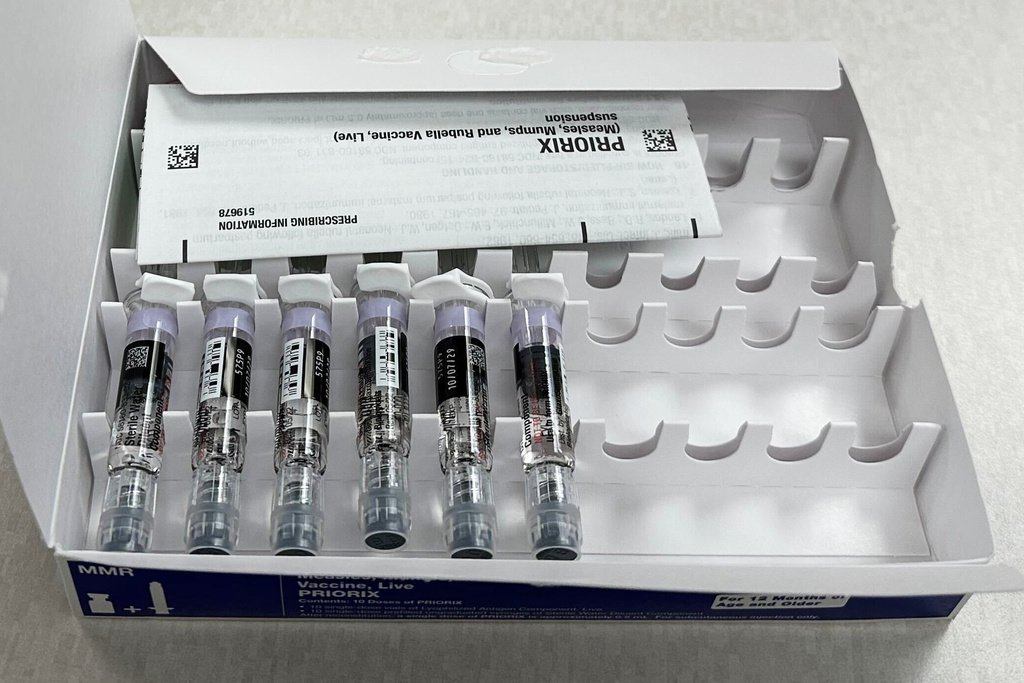
Health officials attribute the resurgence largely to declining vaccination rates in some communities. Measles is one of the most contagious viruses known, and the CDC estimates that a 95% vaccination rate is needed to maintain herd immunity. Several states have fallen below that threshold in recent years.
The outbreak has been especially severe in areas with lower MMR vaccine uptake. The 2026 surge is the worst outbreak in over three decades, and it has prompted renewed calls for stronger immunization mandates.
Republican and Democratic governors have taken divergent approaches. Some states have tightened school vaccine requirements, while others have resisted federal pressure to enforce mandates. The political divide has complicated the response, with local health departments often caught in the middle.
Federal response under scrutiny
The CDC has deployed rapid response teams to several hotspots, but critics argue that the agency's capacity has been hampered by budget cuts and staffing reductions during the Trump administration. A recent report blamed Trump-era USAID cuts for sluggish CDC response to the record cyclospora outbreak, and similar concerns are now being raised about measles.
Former FDA officials have demanded a probe into the cyclospora response, and some lawmakers are calling for a broader investigation into the nation's readiness for infectious disease outbreaks. The measles crisis only amplifies those demands.
The White House has not yet issued a formal statement on the measles numbers, but Agriculture Secretary Rollins recently defended U.S. food safety amid multiple public health crises, including cyclospora and screwworm outbreaks.
What comes next
With summer travel season approaching, health officials fear further spread. Measles can remain airborne for up to two hours after an infected person leaves a room, making it extremely difficult to contain in crowded settings.
The CDC continues to urge vaccination as the primary defense. For now, the 2026 outbreak stands as a stark reminder of how quickly a preventable disease can resurge when immunization rates slip.