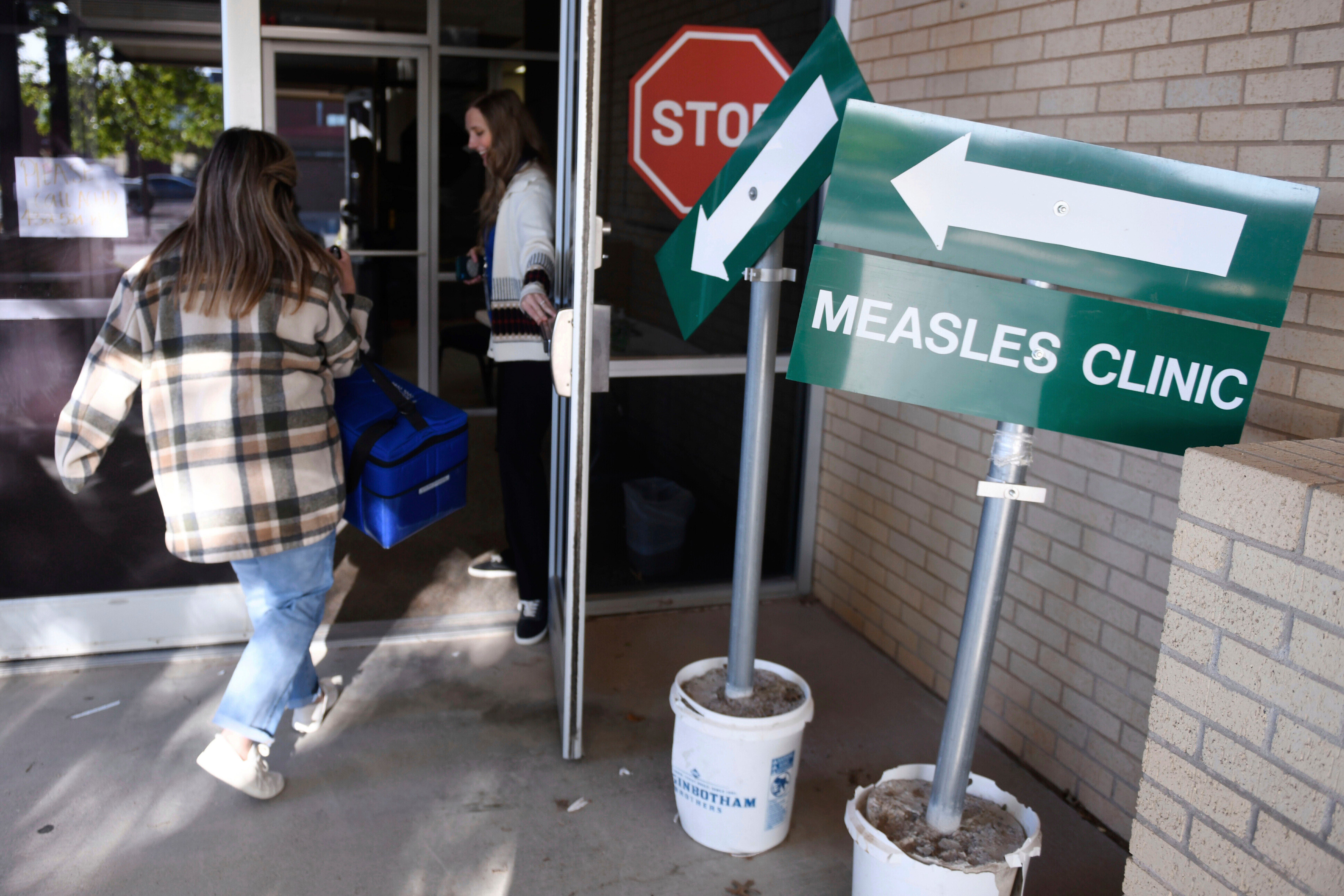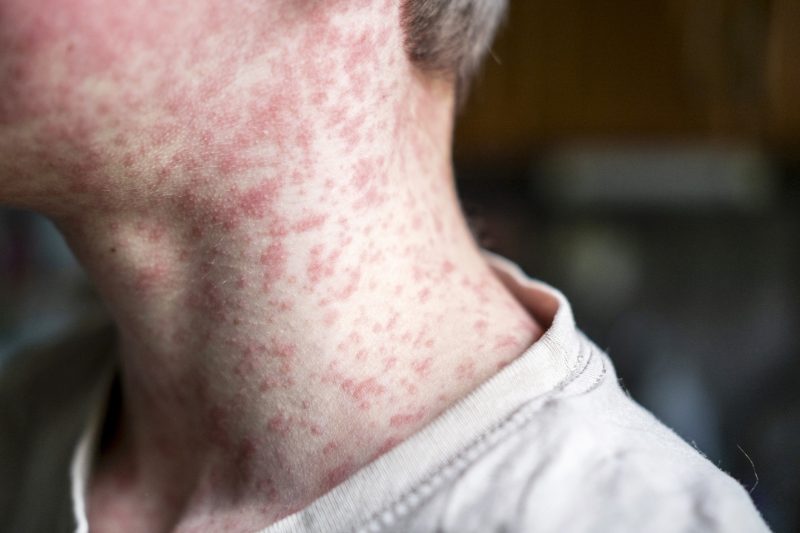
The United States is experiencing its most severe measles outbreak in more than three decades, with federal data showing case counts for 2026 have already eclipsed the entire total for 2025. According to the Centers for Disease Control and Prevention, as of July 23, 2026, there have been 2,318 confirmed cases of measles this year, compared to 2,289 cases detected in all of last year. Johns Hopkins University's independent tracker flagged the milestone earlier this week, updating its figures ahead of the CDC's official release.
The majority of cases have been reported across 45 U.S. jurisdictions, with 35 separate outbreaks recorded so far this year. The tally marks the highest annual count since 1990, when a widespread vaccination campaign and the introduction of a two-dose MMR schedule dramatically reduced transmission. The United States had officially eliminated measles in 2000, but that designation is now under threat. The Pan American Health Organization is set to review the elimination status of both the U.S. and Mexico in November. Canada lost its elimination status last year.
Measles is one of the most contagious diseases known, capable of infecting nine out of ten unprotected individuals exposed to the virus. Public health officials consider a 95% vaccination rate necessary to prevent sustained outbreaks. Among U.S. kindergarteners, the MMR vaccination rate has slipped to about 92%. While that decline appears modest, infectious disease experts warn that even small drops in coverage can spark outbreaks in communities with low immunization rates.
“As measles cases continue to surge across the U.S., now is the time to make sure you and your family are protected. Getting vaccinated remains our strongest defense against this disease that is both highly contagious and entirely preventable,” said Dr. Toluwalasè A. Ajayi, board chair of the American Medical Association, in a statement Friday. “The MMR vaccine has protected our communities for decades. There is no cure for measles, but vaccination is a safe and effective way to prevent it. Choosing to vaccinate protects not only you and your family, but also babies, people with weakened immune systems, and others who can’t be vaccinated. Protecting yourself helps protect your entire community.”
The outbreak has quickly become a political flashpoint. The Democratic National Committee sharply criticized the Trump administration's handling of public health, with spokesperson Jaelin O’Halloran saying, “As communities across the country face outbreaks of preventable diseases, RFK Jr. and Trump continue to sow doubt and dysfunction into the public health system and gut critical agencies, putting families and communities in harm’s way.” Health and Human Services Secretary Robert F. Kennedy Jr., long known as a vaccine skeptic, did endorse the measles vaccine last year as outbreaks spread, stating, “The most effective way to prevent the spread of measles is the MMR vaccine.”
The resurgence of a disease once vanquished in the U.S. underscores the consequences of slipping vaccination rates and political battles over public health policy. With the PAHO review looming and cases still climbing, the nation’s elimination status—and the health of vulnerable populations—hangs in the balance. For more on the broader political stakes, see our analysis of key toss-up House races that could shape the midterm response to this crisis.