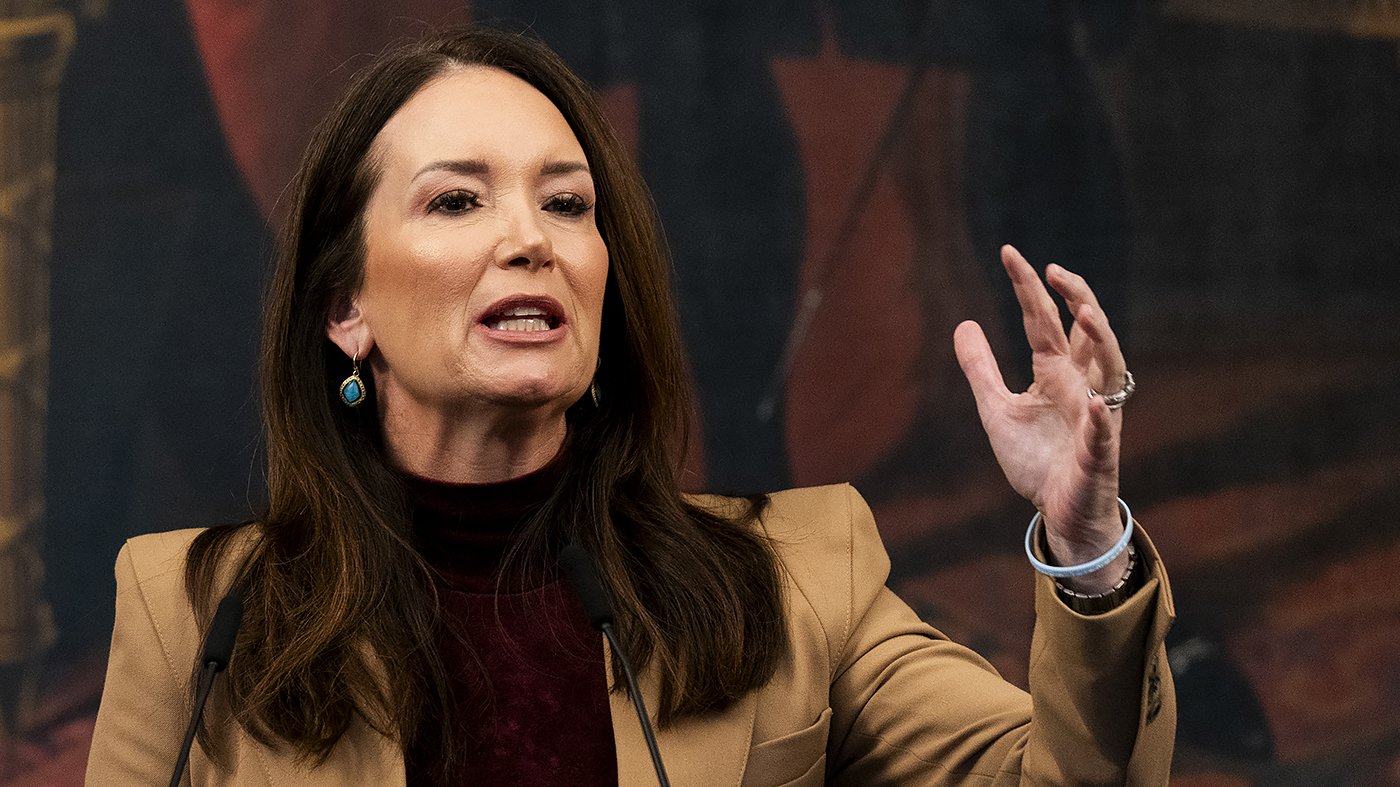
Agriculture Secretary Brooke Rollins moved Thursday to calm public concerns over the safety of the nation's food supply, even as federal health officials grapple with a historic Cyclospora outbreak and the return of a flesh-eating parasite.
“The food supply remains the best, the safest, the most affordable in the world, and will continue to do so,” Rollins told NewsNation’s Blake Burman on “The Hill.” She emphasized that ensuring food safety is the USDA’s top priority, despite the concurrent health threats.
The Cyclospora outbreak, linked to iceberg lettuce imported from Mexico, has ballooned into the largest on record since tracking began. The Centers for Disease Control and Prevention has confirmed over 4,000 cases of cyclosporiasis since May 1, an illness caused by a microscopic parasite that spreads through contaminated food or water. The FDA is now investigating how the contaminant entered the supply chain.
Rollins pointed to the outbreak as a stark reminder of the risks of relying on foreign food imports. “I think it, again, goes to our previous conversation about national security and reshoring a lot of the food that we need in this country,” she said, echoing a theme that has gained traction among Republicans. Critics, however, have linked sluggish CDC response times to earlier cuts at USAID during the Trump administration.
On the screwworm front, Rollins reported progress. The New World screwworm, which can infect humans and pets by burrowing into living tissue, reemerged decades after being eradicated in the U.S. “We only have 12 active cases in Texas, and those numbers are declining,” she said. The USDA is ramping up production of sterile flies, a proven method that eliminated the pest in 1966 and contained a 2017 outbreak in the Florida Keys.
The dual challenges underscore broader debates over food security and public health infrastructure. While Rollins stressed that the current food supply is safe, the record Cyclospora outbreak has prompted calls for tighter import controls and faster federal response. The FDA continues to trace the contamination source, with early evidence pointing to Taylor Farms lettuce.
Rollins’ remarks come as the administration faces scrutiny over its handling of foodborne illness outbreaks and its push for domestic self-sufficiency. The USDA’s sterile fly program, meanwhile, is being expanded to prevent further screwworm spread, a move that officials say is critical to protecting livestock and public health.