Federal health officials have confirmed that a cyclospora outbreak linked to iceberg lettuce from central Mexico has expanded to nine states, making it the largest known cyclosporiasis outbreak in the country. The Food and Drug Administration (FDA) said Friday that Illinois, Kansas, Oklahoma, and Pennsylvania have joined Michigan, Ohio, Indiana, Kentucky, and West Virginia in reporting infections tied to the contaminated produce.
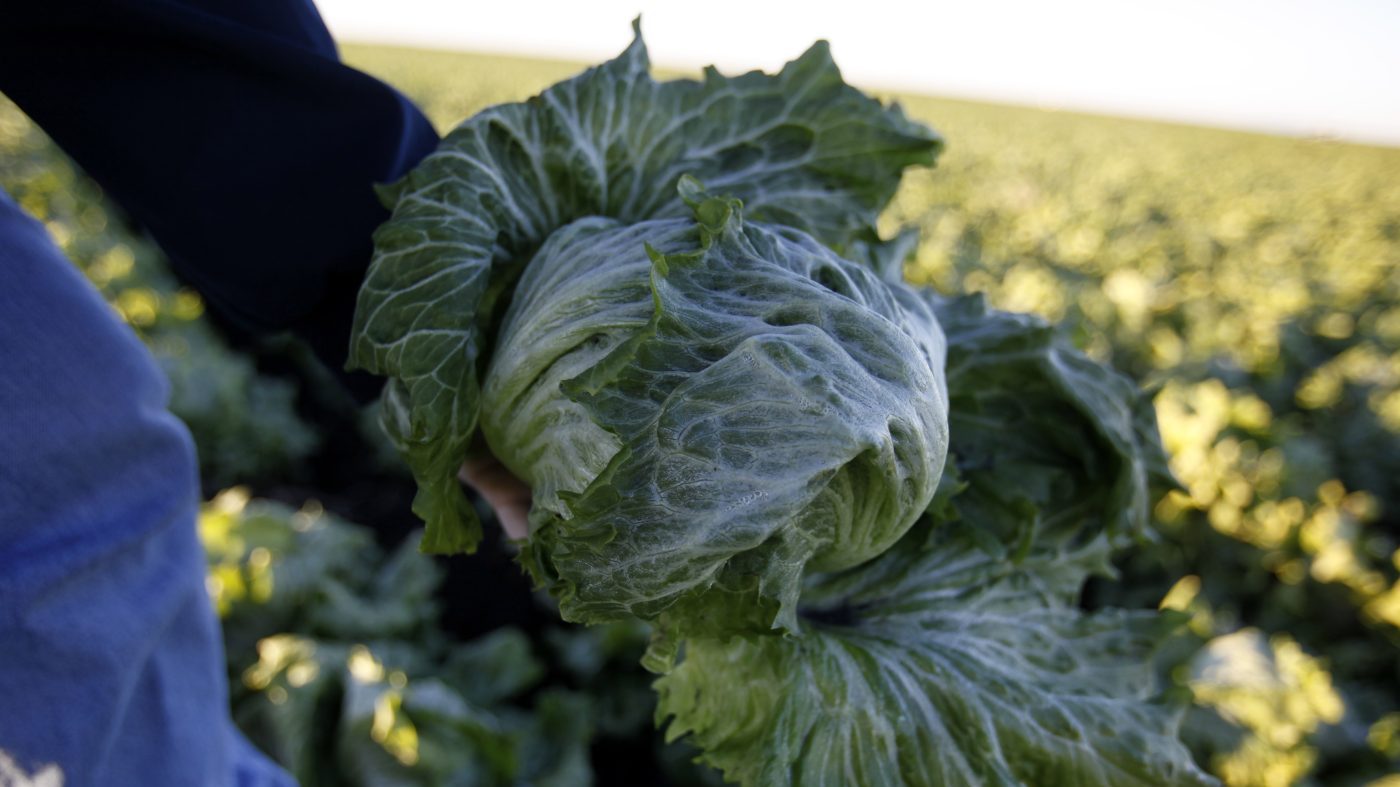
The FDA’s traceback investigation points to shredded iceberg lettuce supplied by Taylor Farms from growers in central Mexico. While no positive test of the lettuce has confirmed the link, epidemiological interviews with sickened individuals provide strong evidence. “FDA’s traceback investigation and outbreak data continue to converge on shredded iceberg lettuce from Taylor Farms from growers in central Mexico,” the agency said in a statement. “We encourage the public to continue to avoid all products listed in Taylor Farms’ voluntary recall.”
As of the latest update, 1,947 people infected with cyclospora and reporting exposure to Taco Bell have been identified across the nine states. Illness onset dates range from June 22 to July 20, with at least 98 hospitalizations and no deaths reported. The FDA expects case numbers to rise further, as it can take up to six weeks to confirm whether a sick person is part of the outbreak.
Taylor Farms has issued a voluntary recall for all iceberg lettuce sourced from its central Mexican facility, and Taco Bell has removed the affected lettuce from its restaurants. The recall aims to prevent additional infections, but the lag in case confirmation means the official count will likely increase in the coming weeks.
Nationally, the Centers for Disease Control and Prevention (CDC) has confirmed or is investigating more than 11,500 cases of cyclosporiasis, though not all are linked to this specific outbreak. The federal count lags behind state-level numbers, which often include probable cases, leading to higher reported infection figures in affected states.
Cyclosporiasis is a foodborne illness caused by a parasite typically spread through food or water contaminated with human feces. Symptoms include frequent and watery diarrhea, though not everyone exposed becomes ill. The outbreak has sparked scrutiny of food safety protocols, with an ex-FDA official calling for a probe into the response to the cyclospora crisis.
The FDA is also investigating a separate outbreak of 72 cyclospora cases, though it has not yet identified the location or potential source. This development comes amid broader concerns about food safety, as USDA Secretary Rollins defended US food safety amid the cyclospora and screwworm crises.
Political tensions have also emerged, with Democratic states suing the Trump administration over FEMA grant conditions tied to elections and immigration, adding to the backdrop of regulatory disputes. The cyclospora outbreak underscores ongoing challenges in ensuring the safety of imported produce, a key issue for policymakers and consumers alike.