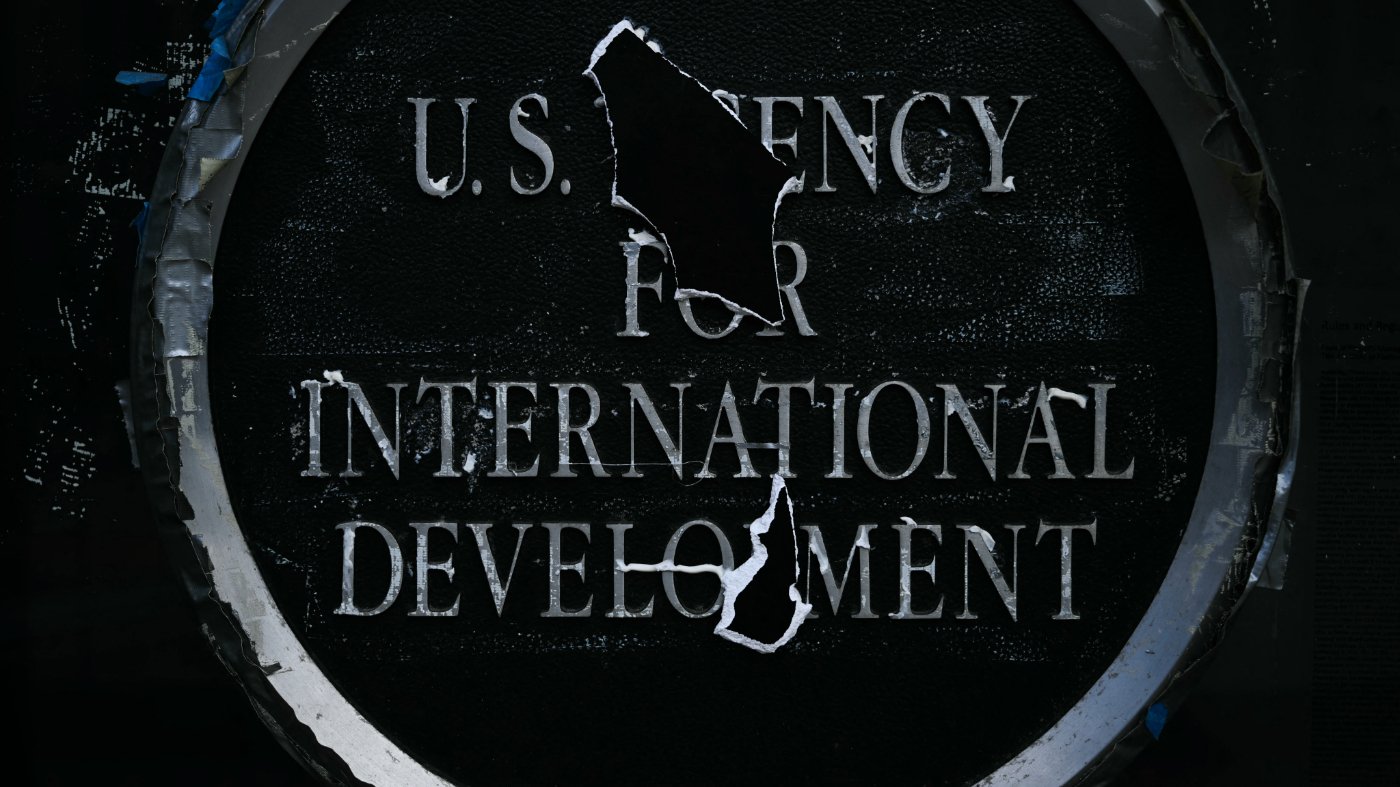
The Trump administration's decision to dismantle the U.S. Agency for International Development (USAID) last year, carried out with the help of Elon Musk's Department of Government Efficiency (DOGE), has had a direct and damaging impact on the federal response to a record-breaking cyclosporiasis outbreak, health experts and former officials say.
USAID had been a critical funding source for key divisions within the Centers for Disease Control and Prevention (CDC), including the Division of Parasitic Diseases and Malaria. That division oversaw the President's Malaria Initiative (PMI), a joint CDC-USAID program to combat malaria overseas, alongside other efforts targeting neglected tropical diseases. When USAID was gutted, the CDC suddenly faced a budget shortfall of $30 to $40 million.
"That's more than half of the amount of money that they get, so that's a significant cut in funds," said Daniel Jernigan, former director of the CDC's Emerging and Zoonotic Infectious Disease division. "So last year, when I was still there, we had to make difficult decisions."
The remaining funds for parasitic and malaria programs had to be stretched to cover the loss, and cyclospora work became collateral damage. "The cutting of USAID funds for malaria and neglected tropical diseases were on top of an insufficiently funded base, essentially disabling the group to where they could not perform optimally for the cyclospora surge," Jernigan added.
The CDC would typically bring in additional staff with specialized expertise to handle a large parasitic outbreak, but those experts are no longer at the agency, Jernigan said. The Trump administration's hiring freeze prevented term employees from renewing their contracts, and others left due to DOGE's "fork in the road" buyout offer. Contractors were let go because there were no funds to pay them.
"You can't take someone from down the hall" and put them in an empty lab, said Michael Osterholm, director of the Center for Infectious Disease Research and Policy at the University of Minnesota, who has investigated previous cyclospora outbreaks. "It's not just do you have a person there, but what is that person's expertise?"
Nationwide, the CDC has confirmed 4,173 cases of cyclosporiasis since May 1, with the worst year on record being 2019, when about 4,700 illnesses were reported. The agency is investigating more than 7,400 additional cases that are not yet laboratory confirmed, many concentrated in Michigan and Ohio. Health officials say the actual number is likely higher.
Osterholm said the federal response has been far too slow, as the CDC is taking too long to process samples and determine if multiple strains of the parasite are involved. "This is a complicated outbreak, and it's likely more than one source causing it. It's hard to discern if we're seeing hundreds of cases, but in three outbreaks caused by three different sources, or just one," he said. The Food and Drug Administration (FDA) has linked the outbreak across five Midwestern states to iceberg lettuce from Taylor Farms facilities in Mexico, which was supplied to Taco Bell and select Walmart locations. The company has issued a recall across 27 states.
Acting FDA Commissioner Kyle Diamantis told reporters this week the agency is investigating several "subclusters" of cases. Meanwhile, Health Secretary Robert F. Kennedy Jr. declared Tuesday that the outbreak is "under control," a claim that experts dispute given the sluggish response and ongoing investigations. The situation underscores how the Trump administration's broader policy of cutting foreign aid—including a controversial nuclear deal with Saudi Arabia—has had unintended domestic consequences. As Trump's approval rating sinks to 36%, the slow handling of this outbreak may further erode public confidence.