The Trump administration's recent agreement to develop Venezuela's oil reserves has drawn sharp scrutiny over its business partner, Alejandro Betancourt, a Venezuelan entrepreneur with a checkered legal history. The deal, announced last month, puts the U.S. government in a joint venture with North American Blue Energy Partners, a firm led by Betancourt, who has been linked to several probes but has not been charged with wrongdoing.
According to recent reporting, Betancourt's past includes involvement in investigations in Switzerland, Spain, and the U.S. related to alleged money laundering. The Washington Post detailed how U.S. officials intervened in a criminal probe to avoid charges and lift travel restrictions for Betancourt. The Miami Herald reported in 2021 that Betancourt was an unnamed alleged conspirator in a $1.2 billion embezzlement case, though his attorney, Jon Sale, denied any wrongdoing.
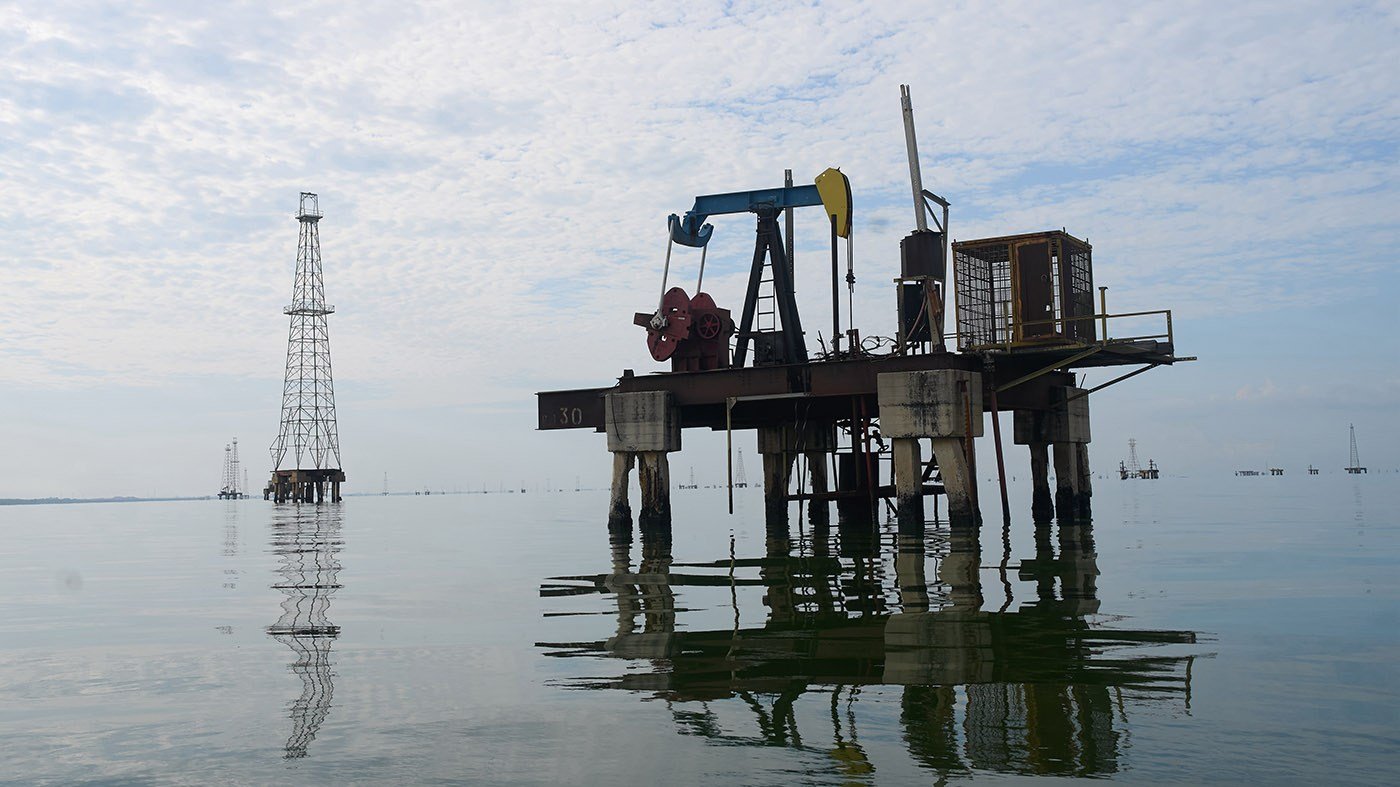
The Pentagon's Office of Strategic Capital is taking a 35 percent stake in the venture, which aims to exploit Venezuela's estimated 65 billion barrels of oil. Critics, including Rep. Mike Levin (D-Calif.), have voiced concerns. "There is a whole lot that we need to be questioning about Trump's Venezuela oil deal, because the closer you look, the shadier it gets," Levin said on X. He added that the State Department has pressured foreign governments to scale back investigations and travel restrictions on Betancourt.
Rep. Raja Krishnamoorthi (D-Ill.) wrote to the White House on Friday, calling the reported details "extremely concerning" and demanding a full accounting of why Betancourt was selected as a partner.
Administration officials have defended the partnership. Secretary of State Marco Rubio said in a recent interview that "there was no investigation within our system against him." Rubio described North American Blue Energy Partners as a firm with "a track record of production" and knowledge of Venezuela's energy sector, adding that the operation would be "professionalized" under U.S. laws and regulations to ensure proper use of funds.
A federal official told reporters that Betancourt was vetted and is not facing U.S. charges. Vijay Vaitheeswaran, director of the energy security and climate change program at the Council on Foreign Relations, called the arrangement "troubling" but noted that "to do business in complicated countries, sometimes one has to work with less than savory characters." He pointed to the legacy of Hugo Chavez and Nicolas Maduro, which left Venezuela without a conventional capitalist structure.
The deal comes as President Trump has repeatedly expressed interest in Venezuela's oil, which is the world's largest proven reserve. After the capture of Maduro early this year, Trump has pushed to expand U.S. access to Venezuelan crude. Chevron, which has long operated in the country, also recently announced plans to boost production there.
Jason Marczak, vice president and senior director of the Atlantic Council's Adrienne Arsht Latin America Center, emphasized the need for transparency. "It just reinforces the importance of transparency around the financial flows of this deal," he said.
The administration's move has also drawn attention to its broader economic and energy priorities, as well as its handling of midterm political pressures. Critics argue the deal could become a liability, especially with Democrats seizing on controversies ahead of the elections.