President Trump continues to dominate American politics, but the clock is ticking on his final term. Behind the scenes, several prominent Republicans are already positioning themselves for the 2028 presidential race, with activity expected to intensify after the November midterms.
Navigating a post-Trump landscape will be tricky. Trump has remade the GOP over the past decade, shifting its stance on immigration, trade, and the tone of political debate. The central question for Republican primary voters in 2028: Do they want a candidate who mirrors Trump's style, or someone who charts a new course?
There is no shortage of options—assuming Trump doesn't attempt to circumvent the 22nd Amendment, which clearly bars a third term. Even Trump seems to acknowledge this reality, at least for now.
The Early Front-Runners
1. Vice President Vance
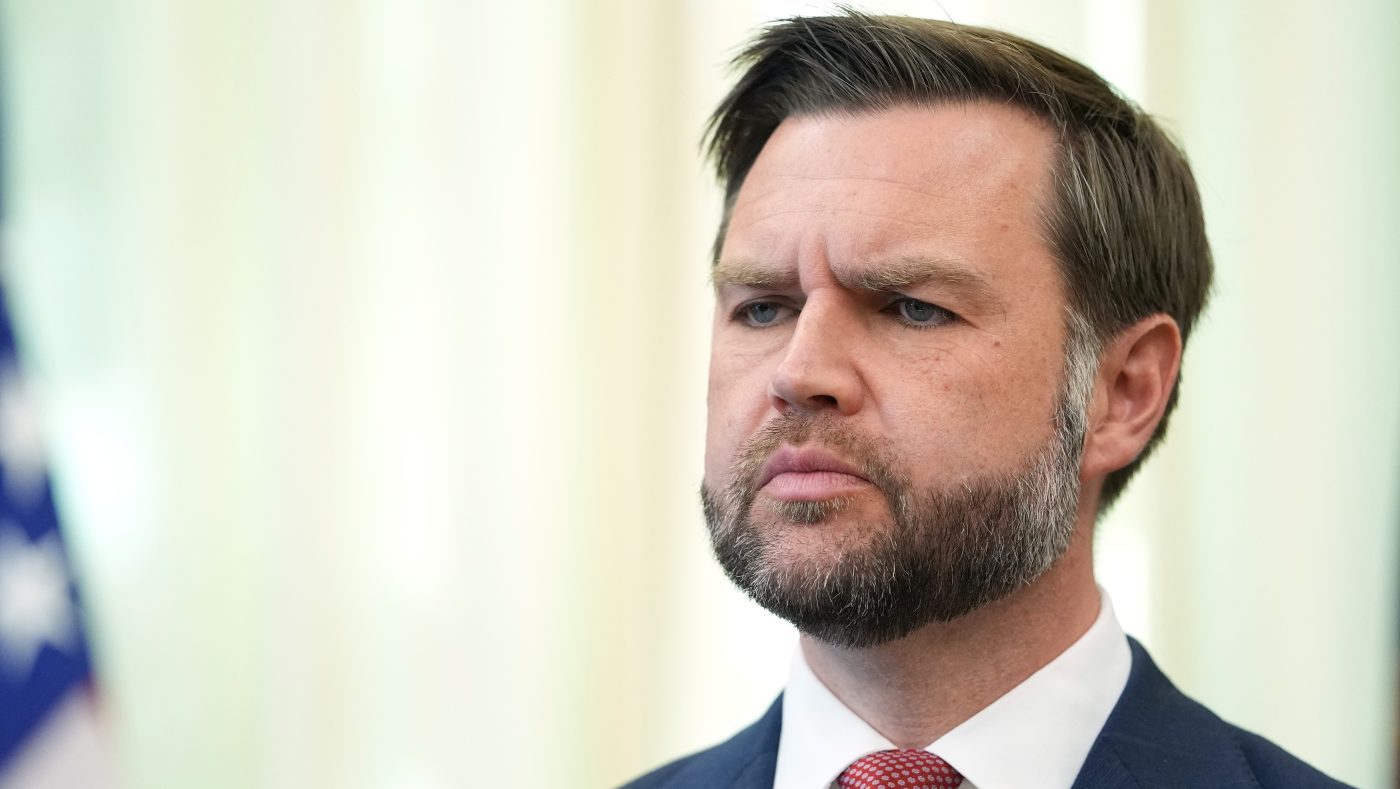
Vice President Vance is the obvious heir apparent, given his youth (42) and his strong ties to Trump's inner circle. He was chosen as Trump's running mate in 2024 partly because of his MAGA credentials, and he has since become a loyal deputy, fully embracing Trump's right-wing populist agenda.
Vance's past skepticism of Trump—he once privately compared him to Hitler—has been disavowed, and he now stands as a fervent believer. His cautious stance on the Iran war could be an asset, given the conflict's unpopularity. However, few see him as a shoo-in; questions about his political acumen and charisma persist. His 2022 Senate win in Ohio by 7 points was solid but not overwhelming.
2. Secretary of State Marco Rubio
Rubio, 55, is widely seen as Vance's chief rival. An Emerson College poll for The Hill last month showed Rubio performing better than Vance in hypothetical matchups against Democratic candidates. Rubio has been on the national stage since 2010, and his experience makes him a more polished speaker than Vance.
The son of Cuban immigrants, Rubio is a staunch anti-communist, enthusiastic about the capture of Venezuela's Maduro and hawkish on Iran. He could bridge Trump's America First wing and traditional GOP foreign policy circles. But his 2016 attacks on Trump—calling him a "con artist"—could resurface in attack ads.
3. Sen. Ted Cruz (R-Texas)
Cruz, 55, is making no secret of his interest. In a recent interview, he rejected the idea that the GOP is coalescing around Vance, insisting he will be "part of the discussion" about the party's future. He has deep ties to donors and a solid conservative base in Texas.
Like Rubio, Cruz clashed with Trump in 2016 before making peace. He occasionally hints at criticism, praising Trump as "extraordinary" but wishing for "more message discipline and focus." A Cruz campaign would test how many Republicans share that sentiment.
Beyond the Top Three
Florida Gov. Ron DeSantis, who ran in 2024, remains a potential contender, though his star has dimmed. Other names include former U.N. Ambassador Nikki Haley, Sen. Tom Cotton, and Gov. Kristi Noem, each with varying appeal.
The field is fluid, and much depends on Trump's influence. If he endorses a candidate, that could be decisive. But if he stays neutral, the race could be wide open.
As the midterms approach, the maneuvering will only accelerate. The next few months will reveal who can consolidate support and who falters under the spotlight.