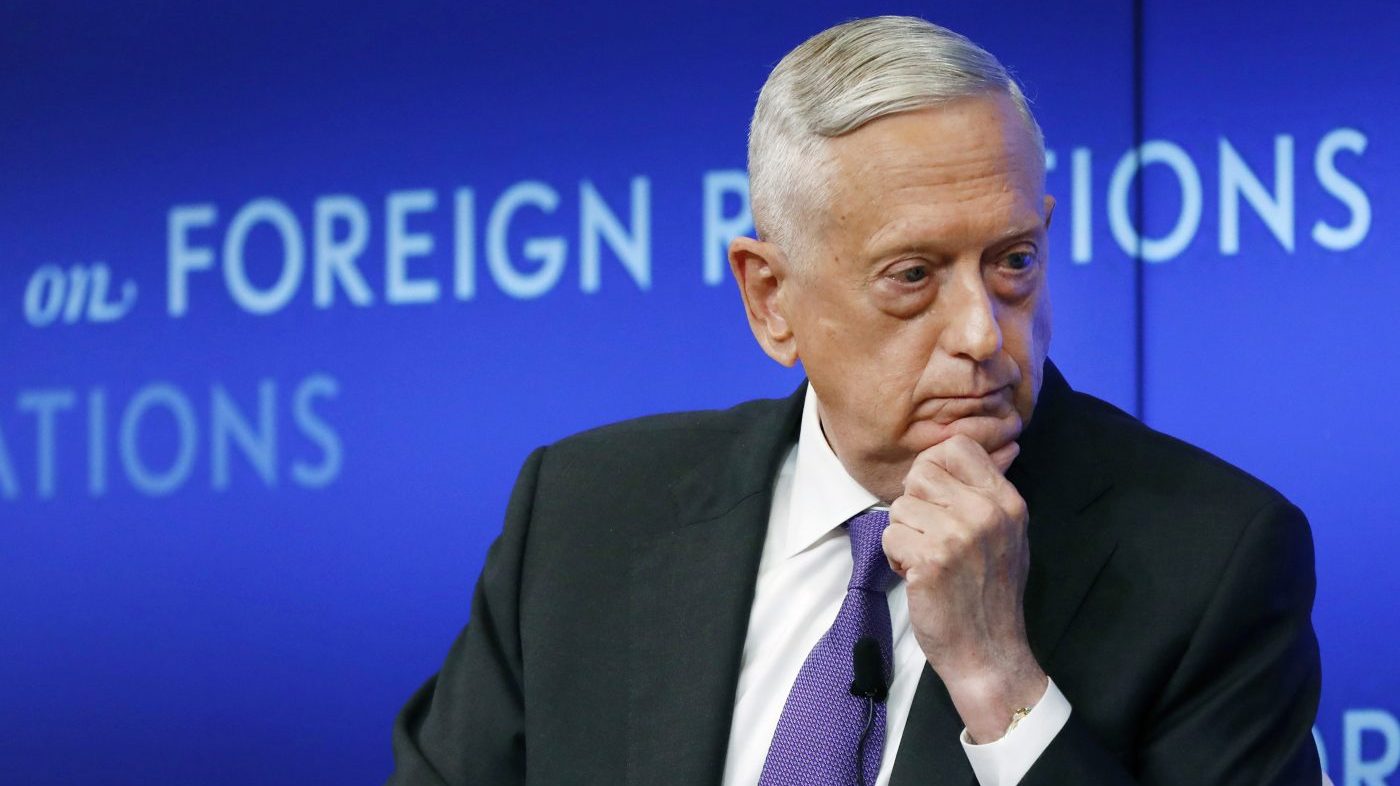
Former Defense Secretary Jim Mattis issued a stark warning that an American decision to end the ongoing conflict in the Middle East would effectively surrender control of the strategic Strait of Hormuz to Iran. The vital waterway facilitates the passage of approximately one-fifth of the world's seaborne oil.
"If we declared victory at this moment, Iran would immediately assert ownership of the strait," Mattis stated during a panel at the CERAWeek energy conference in Houston. "The consequence would be a toll imposed on every commercial vessel transiting those waters."
The retired Marine Corps general, who served as Pentagon chief during the first half of the Trump administration before resigning in 2019, expressed deep concern over the strategic dilemma. "We are facing a difficult situation. I cannot identify an abundance of clear options," he told the audience.
Military Context and Economic Fallout
Mattis's comments come as the U.S.-Israeli military campaign against Iran enters its fourth week. In a related development, the Trump administration announced a five-day suspension of strikes targeting Iranian energy infrastructure. This pause followed weeks of retaliatory attacks by Tehran against Israel and Gulf states, which brought shipping traffic through the Strait of Hormuz to a near standstill and triggered a surge in global oil prices. The price of crude oil subsequently fell to $90 per barrel following the U.S. announcement of the temporary halt.
Despite significant naval losses inflicted by U.S. forces—Central Command reports damaging or destroying over 140 Iranian vessels—Mattis emphasized that Iran retains potent asymmetric capabilities. "They possess anti-ship cruise missiles that can be launched from mobile, concealed platforms like pickup trucks, with a range extending up to 100 miles. That is the core of the challenge," he explained.
Diplomatic and Allied Maneuvering
On the diplomatic front, U.S. Ambassador to the United Nations Mike Waltz indicated that American allies are beginning to align on the need to secure the strait. "We are observing our partners start to come around appropriately," Waltz said during an interview on CBS's 'Face the Nation.' He added that President Trump "will not tolerate a regime that has threatened for decades to hold global energy supplies hostage to its genocidal ambitions." This aligns with reports of growing international backing for a potential military operation to reopen the vital passage.
The administration's approach has faced internal criticism, however. A faction of former Trump allies has publicly revolted against the war effort, complicating the domestic political landscape. Furthermore, while the White House has shown signals of potential de-escalation, Iran has continued its defiant posture, publicly blaming the United States for the shipping crisis and rejecting ultimatums.
Strategic Implications and Risks
The situation presents a complex strategic puzzle. A permanent U.S. withdrawal could embolden Tehran and grant it leverage over global energy markets, while a prolonged conflict risks further regional destabilization and economic disruption. The potential for escalation remains high, with discussions about Marine deployments raising the specter of ground combat and casualties. Military experts, including former counterterrorism officials, have warned against specific invasion plans as potentially disastrous.
Mattis's assessment underscores the high stakes involved in managing the crisis. Control of the Strait of Hormuz is not merely a regional issue but a cornerstone of global energy security, making the current U.S. posture—caught between escalation and retreat—exceptionally precarious. The coming days will test both the administration's diplomatic efforts with allies and its capacity to navigate a conflict with no easy exit.