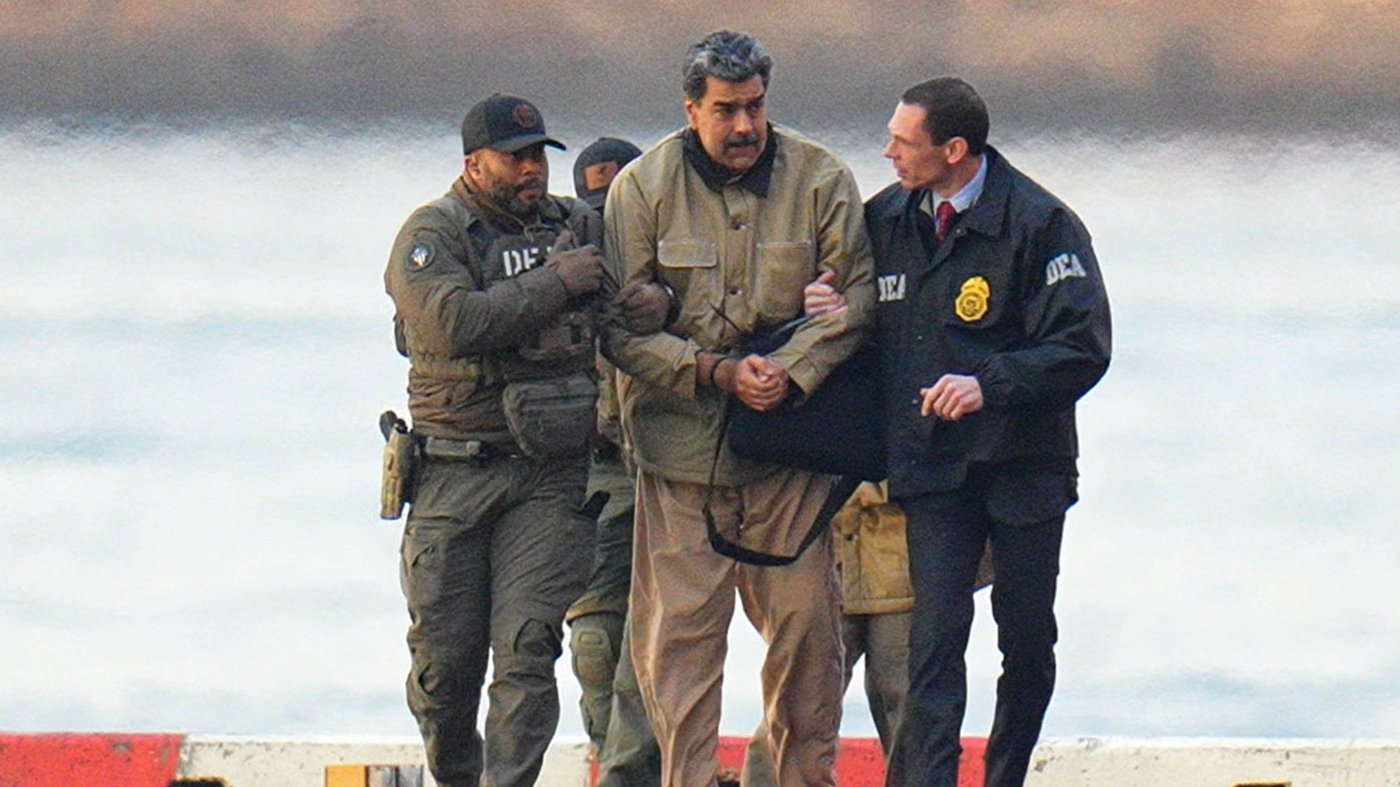
In a federal courtroom in New York, a legal battle over money is shaping the defense strategy for one of the highest-profile international prosecutions in recent years. Attorneys for former Venezuelan President Nicolás Maduro argued Thursday that U.S. sanctions are preventing the Venezuelan state from paying for his and his wife Cilia Flores's legal representation, creating what they call a constitutional crisis.
Maduro and Flores, captured by U.S. military forces in January, face serious charges of drug trafficking and narco-terrorism. Both have entered not guilty pleas. The core dispute centers on whether funds frozen under U.S. sanctions can be released to finance their defense, or whether the couple must rely on court-appointed attorneys.

A Clash Over Funding and the Sixth Amendment
Barry Pollack, Maduro's lead attorney, told the court that his client cannot afford private counsel. He argued that Venezuela, as the state Maduro once led, should cover these costs. The significant hurdle is that Venezuelan government assets in the United States are largely frozen by sanctions administered by the Office of Foreign Assets Control (OFAC). Pollack contended this blockade effectively denies Maduro his Sixth Amendment right to counsel of his choosing.
Federal prosecutor Kyle Wirshba countered that U.S. sanctions law explicitly prohibits Venezuela from providing financial assistance for the couple's defense. He suggested that both defendants could be represented by public defenders, a standard practice for indigent defendants. Wirshba also noted the government's investigation into the couple's personal finances is ongoing, questioning their claimed inability to pay.
Judicial Caution in an Unprecedented Case
Presiding Judge Alvin Hellerstein, a 92-year-old jurist and one of the nation's longest-serving federal judges, acknowledged the unusual nature of the case. He expressed concern that the complexity and scale of the prosecution could "hamper" a public defender's office, potentially overwhelming its normal operations. The case presents a novel intersection of international sanctions law, constitutional rights, and high-stakes criminal prosecution.
Judge Hellerstein made no immediate ruling on the funding issue. He declined to dismiss the case, as Pollack had not formally requested dismissal on these grounds, but signaled the matter requires careful resolution. He also has not set a trial date, indicating the pretrial phase will be lengthy. The judge explicitly stated he lacks direct authority to order OFAC to release Venezuelan funds, placing the ultimate decision with the executive branch.
The standoff highlights how executive powers like sanctions can create unforeseen legal complications within the judicial system. It also underscores the broader geopolitical tensions, as the U.S. pursues a case against a former head of state from a nation it considers an adversary. The prosecution is part of a wider pattern of using legal and financial tools to apply pressure, similar to debates around allied defense spending and security commitments.
This funding impasse is not an isolated incident in complex federal cases. Legal teams often face procedural and financial hurdles, as seen when the Department of Justice admitted critical errors in other high-stakes litigation, requiring judicial intervention to preserve records and ensure fair process.
The outcome will set a significant precedent for how the U.S. justice system handles the defense of sanctioned foreign officials. It forces a direct confrontation between national security policy, enacted through sanctions, and bedrock constitutional protections. The court must now navigate whether the government's interest in maintaining financial pressure on Venezuela outweighs an individual defendant's right to mount a robust defense.