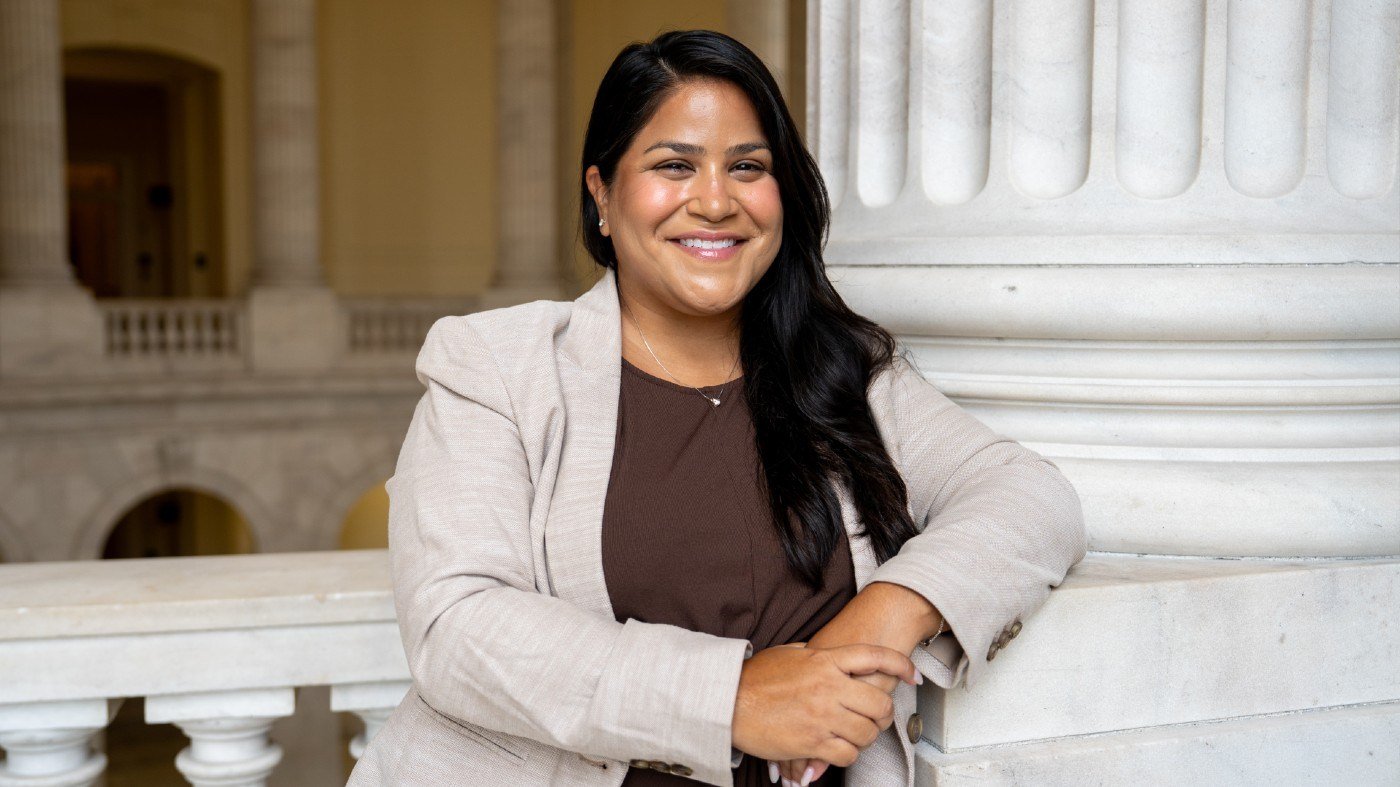
Sen. Cynthia Lummis (R-Wyo.) is making a final push for the Clarity Act, a bipartisan crypto market structure bill she says is the industry's last chance to get clear U.S. rules. In a new appeal, Lummis warns that if Congress doesn't act now, digital asset firms will relocate to friendlier jurisdictions, taking jobs and tax revenue with them and leaving U.S. regulators powerless.
The bill, which emerged from the Senate Banking Committee in May on a 15-9 bipartisan vote, is the product of more than a year of negotiations between Lummis and Sen. Kirsten Gillibrand (D-N.Y.). It aims to resolve the long-standing jurisdictional fight over whether the SEC or CFTC oversees crypto, a confusion that Lummis says has hampered consumer protection and pushed companies offshore.
A rare bipartisan compromise
Lummis emphasized that the Clarity Act represents a genuine meeting of the minds across party lines. "When was the last time a Wyoming Republican and a New York Democrat agreed on major policy?" she asked, pointing to the unusual alliance that has drawn support from both Wall Street giants like Goldman Sachs and Fidelity and law enforcement groups that initially opposed the measure.
The National Fraternal Order of Police and the National Sheriffs' Association have dropped their opposition after the bill incorporated dozens of illicit finance and anti-money laundering provisions, Lummis noted.
Key provisions and compromises
Title I alone reflects 33 separate bipartisan edits, including tighter definitions to prevent companies from evading securities laws, a mandatory SEC "front door" certification with a 90-day review window, and new anti-evasion authority. Two entirely new titles, added at Democrats' request, include more than 20 sections on illicit finance, such as sanctions compliance for decentralized finance platforms, new tools to cut off money laundering through offshore exchanges, and $150 million in new funding for the Financial Crimes Enforcement Network.
The bill also adds five consumer protection sections, including federal safeguards for digital asset ATMs.
Ethics provisions backed by Trump
Lummis highlighted the ethics provisions, which she says were strengthened after direct talks with President Trump. The bill includes a first-of-its-kind ban on the president, vice president, members of Congress, and federal judges issuing or sponsoring digital assets for profit. Trump has also agreed to place his own crypto holdings in a blind trust or divest entirely.
"If my Democratic colleagues are truly concerned about the president's crypto investments, then passing this bill — not blocking it — is the way to address that," Lummis said.
Consequences of inaction
Lummis warned that a no vote is not a vote for a stronger bill later. "This is the one shot we have to pass meaningful market structure legislation in America," she said. Without the bill, she argued, crypto companies will move to London, Singapore, or Abu Dhabi, and U.S. law enforcement will lose jurisdiction and leverage.
She also invoked the collapse of FTX, saying that without custody rules and consequences, another such failure is "a guaranteed outcome." Foreign adversaries are already exploiting the money laundering gaps the bill would close, she added.
Lummis is pressing her Democratic colleagues to support the measure, noting that if she and Gillibrand can agree, the rest of Congress can too. The bill is expected to face a vote in the coming weeks, and its fate remains uncertain.