Brazil's presidential election on Sunday presents a pivotal moment for Latin America's largest democracy, as incumbent Luiz Inácio Lula da Silva seeks an unprecedented fourth term. Lula, a leftist leader with close ties to China, Russia, and Iran, is locked in a virtual dead heat with Senator Flavio Bolsonaro, son of former President Jair Bolsonaro. A runoff is widely anticipated.
The stakes extend far beyond Brazil's borders. As a key member of the G20 and the BRICS bloc, Brazil serves as a bridge between Western democracies and the Global South. A Lula victory would embolden authoritarian regimes, undermining democratic governance and the United States' strategic interests under the new Monroe Doctrine, which seeks to counter foreign influence in the Western Hemisphere.
Lula's anti-American rhetoric and foreign policy
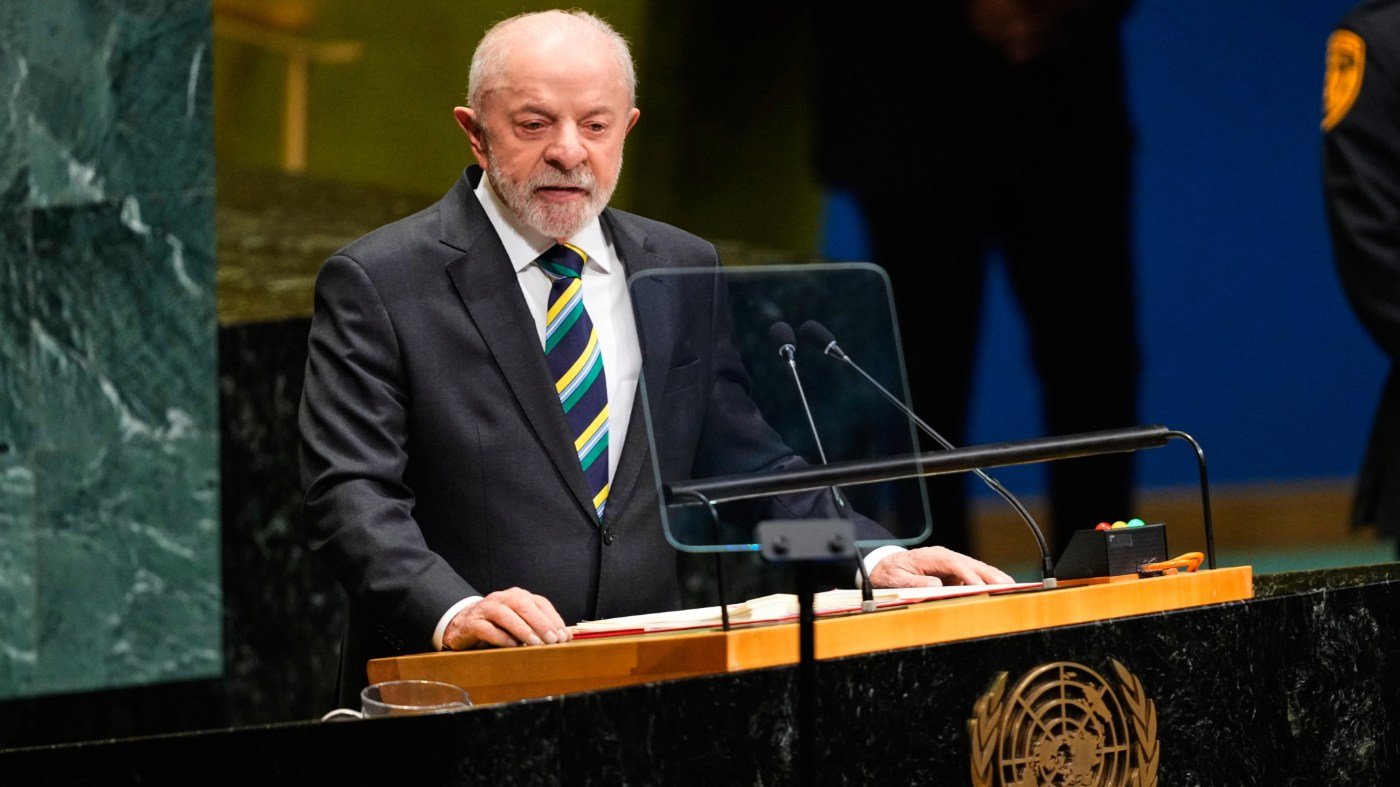
During his address to the U.N. General Assembly last week, Lula declared that Brazil was too big to fit into anyone's "backyard" and rejected foreign interference in its elections. He also condemned the U.S. blockade of Cuba, defended Palestinian rights, and accused Israeli Prime Minister Benjamin Netanyahu of genocide. His remarks drew praise from Khaled Qaddoumi, a Hamas representative in Iran, who called Lula "on the right side of history."
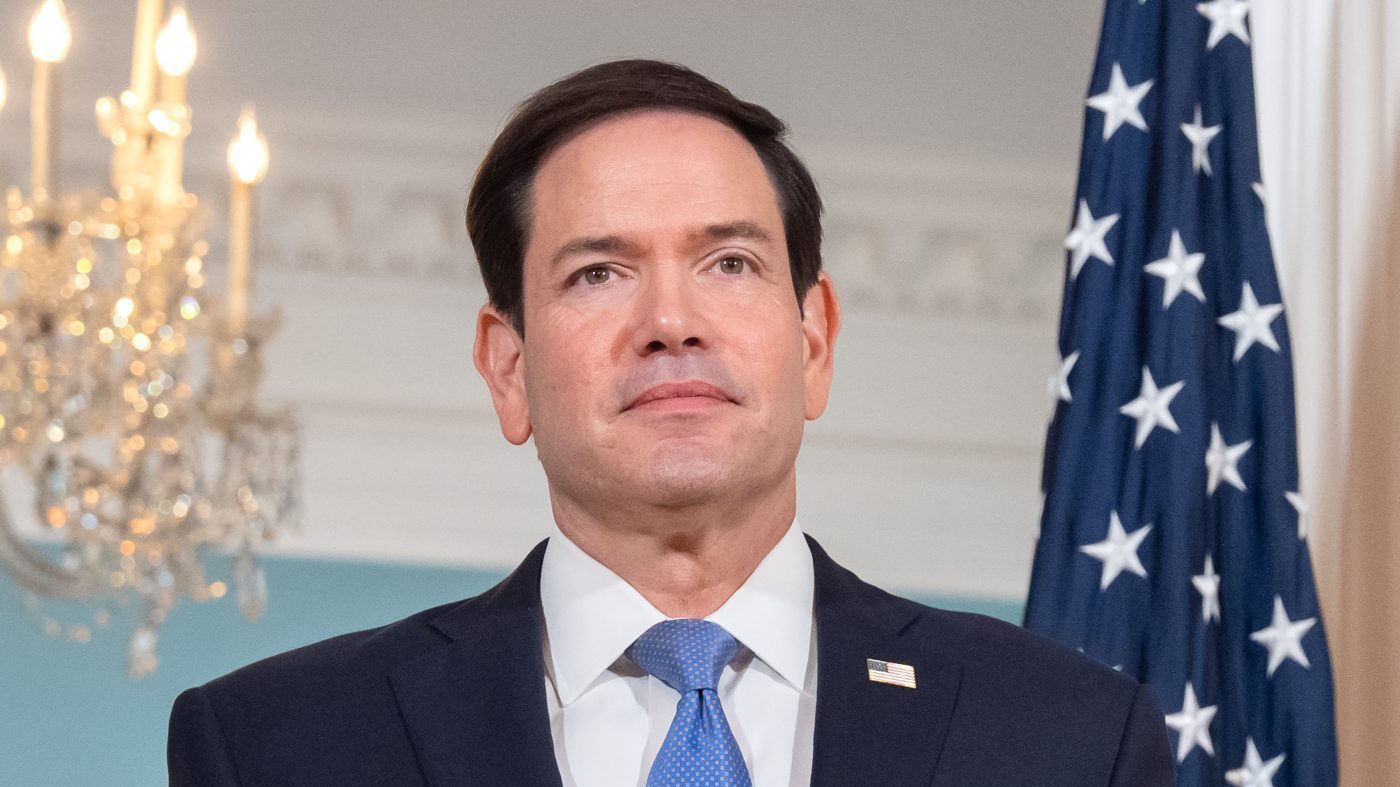
On the campaign trail, Lula has amplified his anti-American message, labeling Secretary of State Marco Rubio a "frustrated Latin American" and a "mortal enemy" of the region. This follows the U.S. decision to impose 25% tariffs on Brazilian goods and designate two major criminal gangs—Primeiro Comando da Capital and Comando Vermelho—as terrorist organizations. Lula has also called for the U.S. dollar to be replaced as the world's reserve currency and has demanded that Venezuelan President Nicolás Maduro face trial, while framing Cuba as a victim of U.S. aggression.
Deepening ties with China
Lula has accelerated Brazil's economic and military alignment with Beijing. Brazil now sells most of its iron ore, soybeans, and oil to China, and has announced plans to issue panda bonds denominated in yuan, further reducing its financial independence. The two nations have also conducted joint naval exercises, including a visit by the Chinese military hospital ship Silk Road Ark, and Brazil continues to cooperate with Huawei in its telecommunications sector, despite espionage concerns raised by the U.S. and European allies.
Security and drug trafficking concerns
Lula has declined to join the U.S.-led "Shield of the Americas" initiative and has refused to designate the Primeiro Comando da Capital and Comando Vermelho as terrorist organizations, raising questions about his commitment to combating drug trafficking and organized crime.
Economic ties and the path forward
The economic relationship between Brazil and the United States remains significant, with bilateral trade totaling $74.8 billion in 2023. A fourth Lula term would jeopardize this crucial partnership, as his policies increasingly lean toward China and away from Washington.
Brazil's voters face a clear choice: continue down a path that threatens democratic institutions and aligns with authoritarian powers, or embrace new leadership that upholds freedom and the rule of law. Sunday's election offers a chance for a historic reset in the largest nation in South America.