Brazil heads to the polls on Sunday with President Luiz Inácio Lula da Silva seeking a fourth term in a contest that could reshape the region's political landscape. After a wave of leftist defeats across Latin America, Lula—a staunch ally of China, Russia, and Iran—hopes to buck the trend, while Senator Flavio Bolsonaro, son of the imprisoned former president Jair Bolsonaro, runs in a virtual dead heat. A runoff appears likely.
These are no ordinary elections. Brazil, the largest nation in Latin America, serves as a crucial bridge between Western democracies in the G20 and the Global South within BRICS. A Lula victory would likely embolden authoritarian regimes and undermine U.S. strategy under the new Monroe Doctrine, which seeks to counter external influence in the hemisphere.

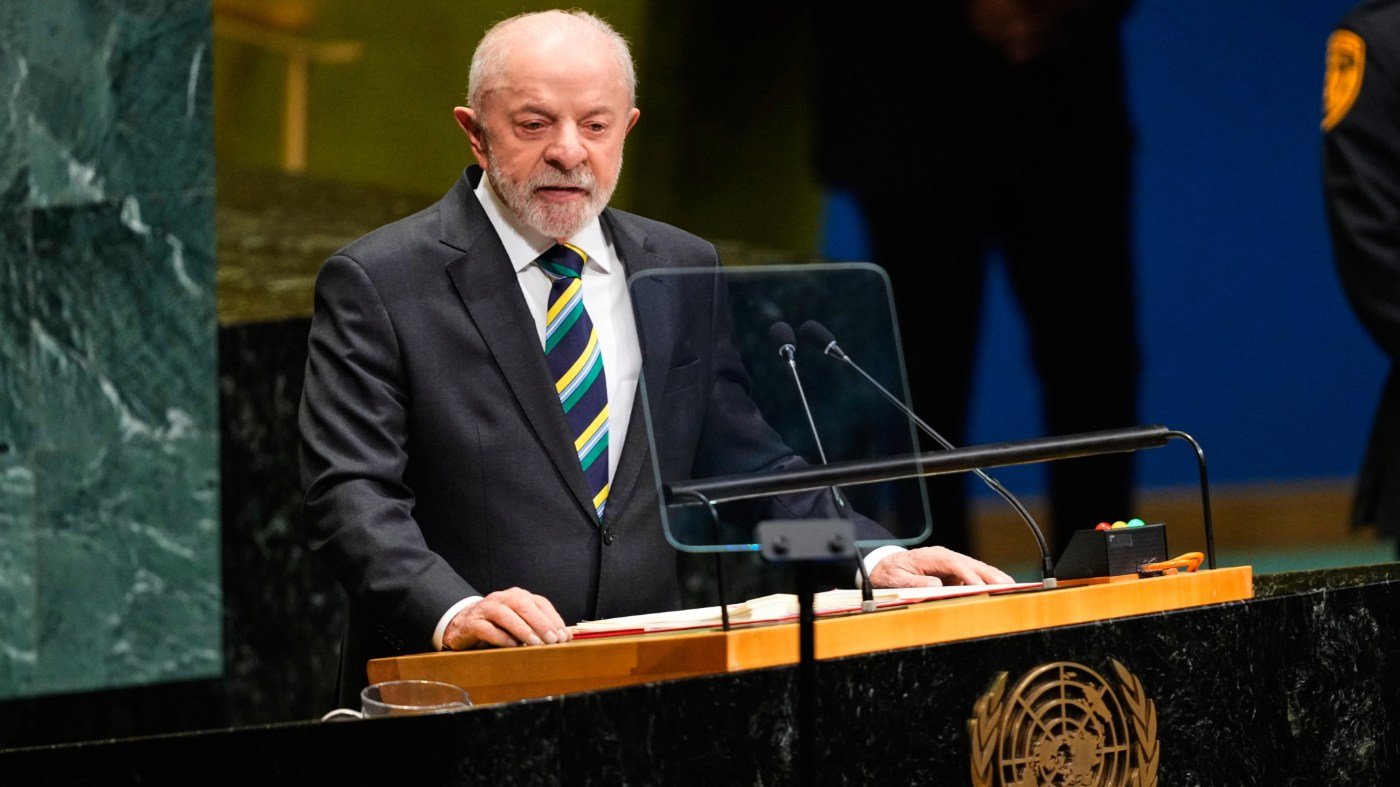
At the U.N. General Assembly last week, Lula declared that Brazil is too big to fit into anyone's "backyard" and vowed not to tolerate interference in its electoral process. He condemned the blockade on Cuba, defended Palestine, and accused Israeli Prime Minister Benjamin Netanyahu of genocide. His remarks drew praise from Khaled Qaddoumi, Hamas's political representative in Iran, who said Lula is on the right side of history.
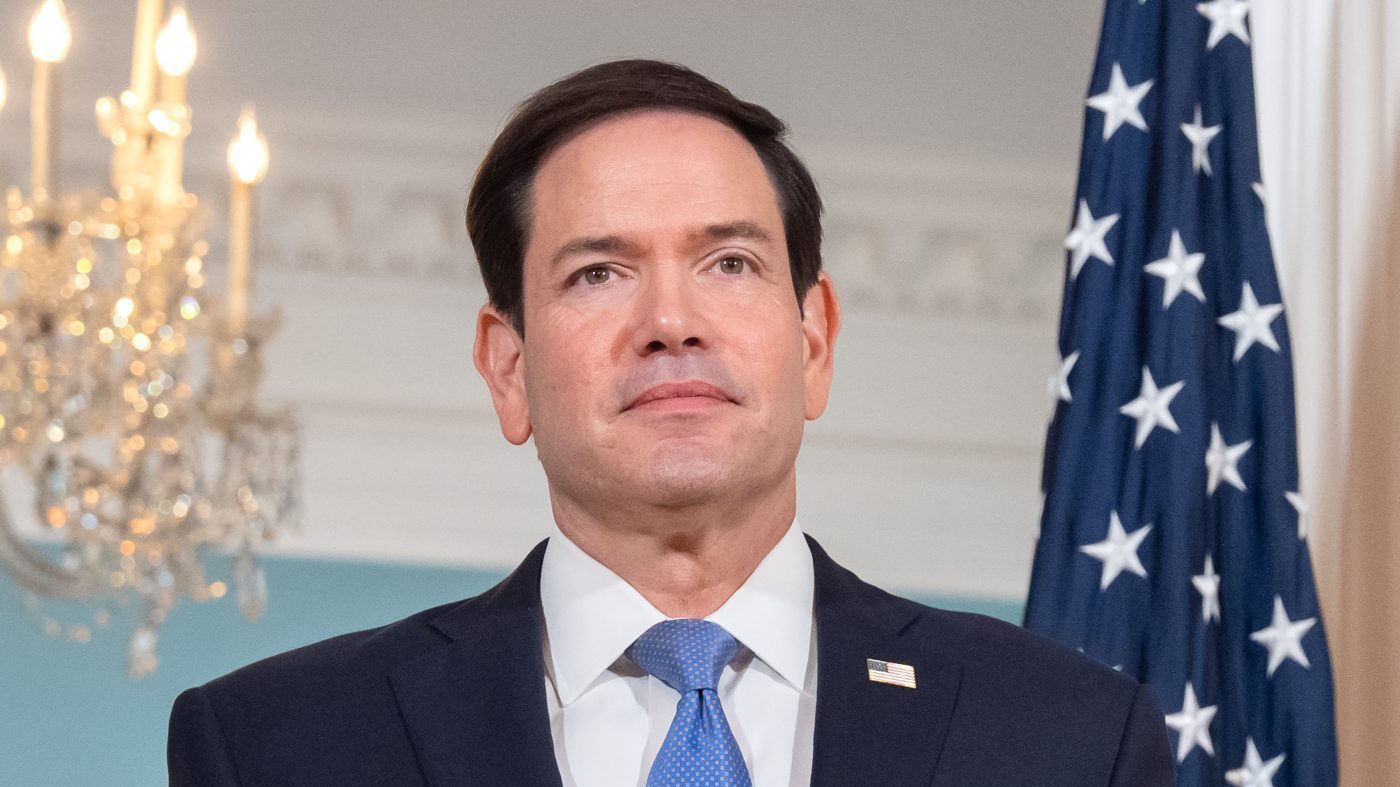
Lula has also leaned into anti-American rhetoric to energize his base. He called Secretary of State Marco Rubio a "frustrated Latin American" and a "mortal enemy" of the region, responding to U.S. tariffs and the designation of Brazilian criminal groups as terrorist organizations. He has repeatedly attacked the dollar's global dominance, proposing alternatives and deepening Brazil's financial ties with Beijing, including issuing panda bonds in yuan.
Brazil's growing alignment with China is visible in defense and technology. The two nations conducted joint naval exercises, and Brazil has embraced Huawei for its telecommunications infrastructure, despite espionage allegations from the U.S. and European nations. Lula has also declined to join the "Shield of the Americas" initiative and has refused to label gangs like the Primeiro Comando da Capital as terrorists, raising concerns about his commitment to combating drug trafficking.
The economic stakes are high. The U.S. remains Brazil's second-largest trading partner, with bilateral trade totaling $74.8 billion in 2023. A fourth Lula term could jeopardize this relationship, as he continues to distance Brazil from Washington and align with autocratic regimes.
Brazil needs leadership that upholds democracy, freedom, and the rule of law. Sunday's vote offers a chance for a historic shift, but the outcome remains uncertain.