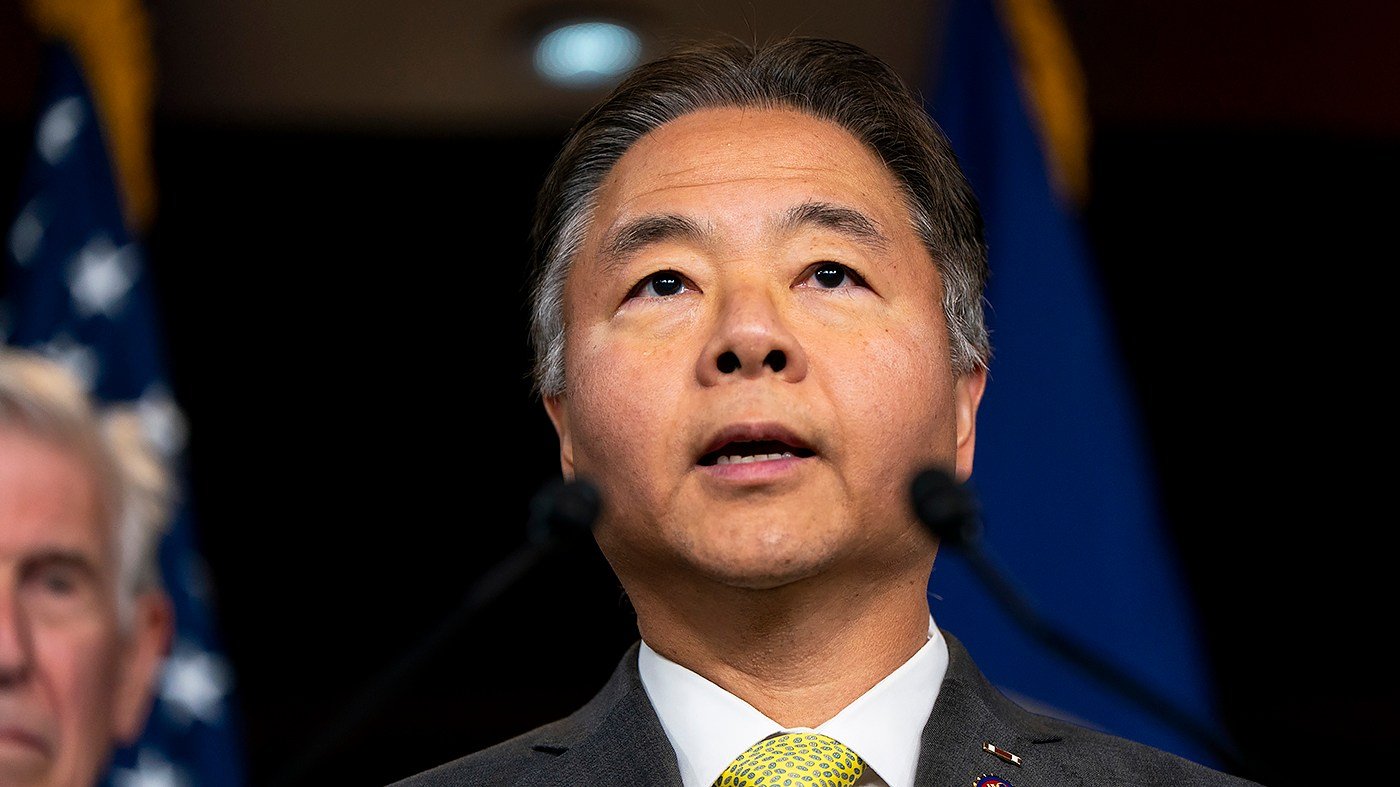
House Democrats on Wednesday unanimously selected Representative Ted Lieu of California to serve as their caucus chairman for the upcoming Congress, a move that cements his standing as the highest-ranking Asian American in the chamber's history. The vote, conducted by acclamation, marked the opening of the party's leadership elections following their decisive midterm victory earlier this month.
Lieu, who ran unopposed for the post, will assume the fourth-ranking position among House Democrats. His election came first because the caucus chairman traditionally oversees the remaining leadership contests, which are scheduled to unfold over Wednesday and Thursday. With all top slots uncontested, the party's senior leadership is set to remain unchanged.
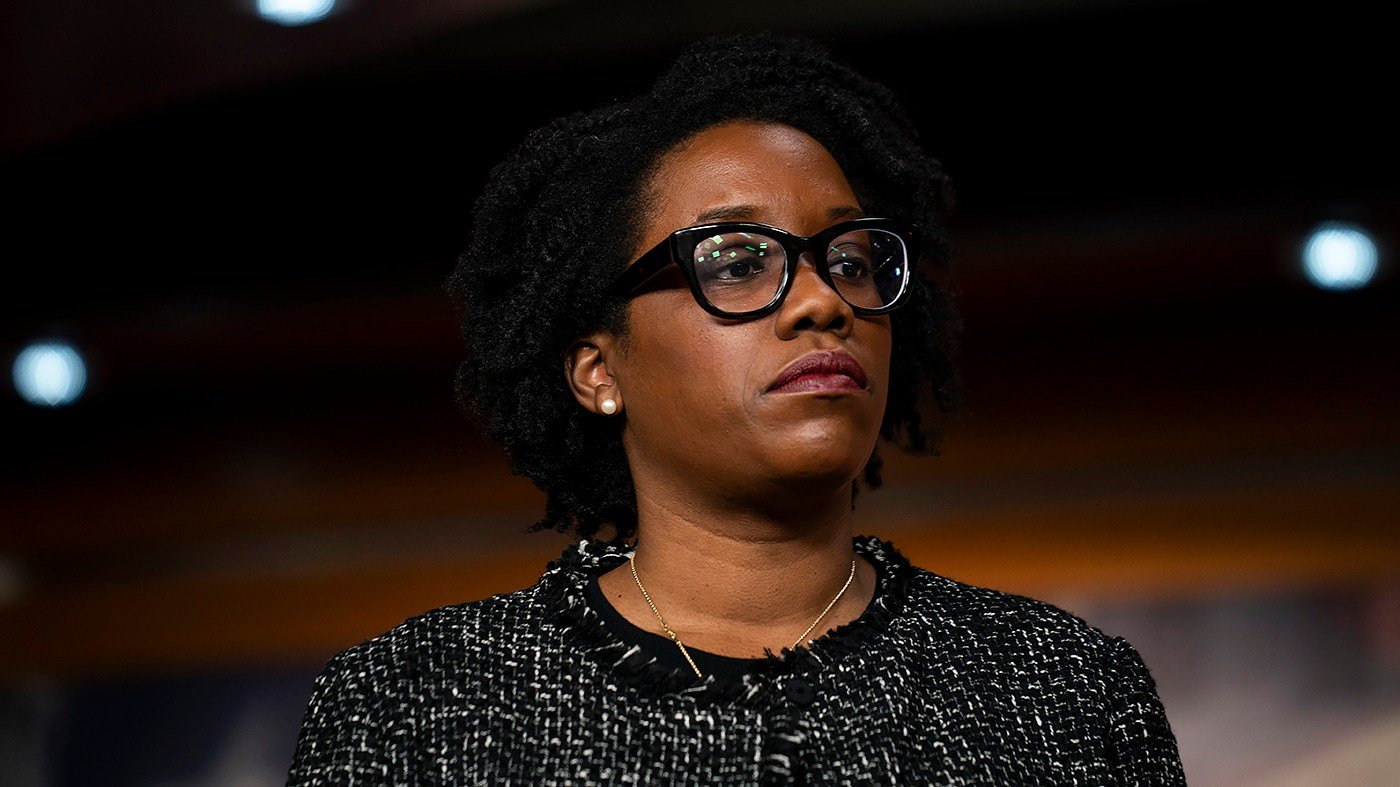
Minority Leader Hakeem Jeffries of New York is poised to become Speaker when the new Congress convenes. Katherine Clark of Massachusetts, currently the Democratic whip, is expected to ascend to majority leader. Pete Aguilar of California, the outgoing caucus chairman, is in line to replace Clark as whip. This leadership team has been in place since 2023, when former Speaker Nancy Pelosi and her longtime deputies stepped aside to make way for a younger generation.
Lieu, an Air Force veteran, has served as vice chairman of the caucus during that period. Alongside Aguilar, he has been a key figure in the party's messaging strategy, which proved effective in the midterms and bolstered the entire leadership team's standing.
Beyond his leadership role, Lieu has been a prominent voice in the debate over artificial intelligence regulation. Lawmakers are grappling with how to oversee an industry that poses potential threats to jobs and, some warn, to humanity itself. Lieu has indicated he will continue this work in the next Congress, promising legislation to rein in AI companies—a push he says was neglected while Republicans controlled both chambers and the White House.
“That's going to take a little bit of time as we have this new caucus, and you have to set up the committees, and then you have to pass the legislation,” Lieu said this month. “But you're going to see that occur in a way that did not occur this term.”
The continuity at the top signals a party focused on governance and oversight. As Democrats prepare to take the majority, they are expected to ramp up scrutiny of the Trump administration, with new investigations into Trump family finances already on the horizon. The party's oversight agenda is likely to be a central theme, alongside legislative priorities like AI regulation.
Lieu's elevation also underscores the growing influence of Asian American leaders within the Democratic Party. His rise comes as the party seeks to broaden its appeal, a trend highlighted by the emergence of a religious left as a counterweight to the Christian right in recent elections.
With the leadership slate locked in, Democrats are now turning their attention to committee assignments and legislative strategy. The new Congress is set to begin in January, and the party is expected to hit the ground running on issues ranging from economic policy to technology oversight.