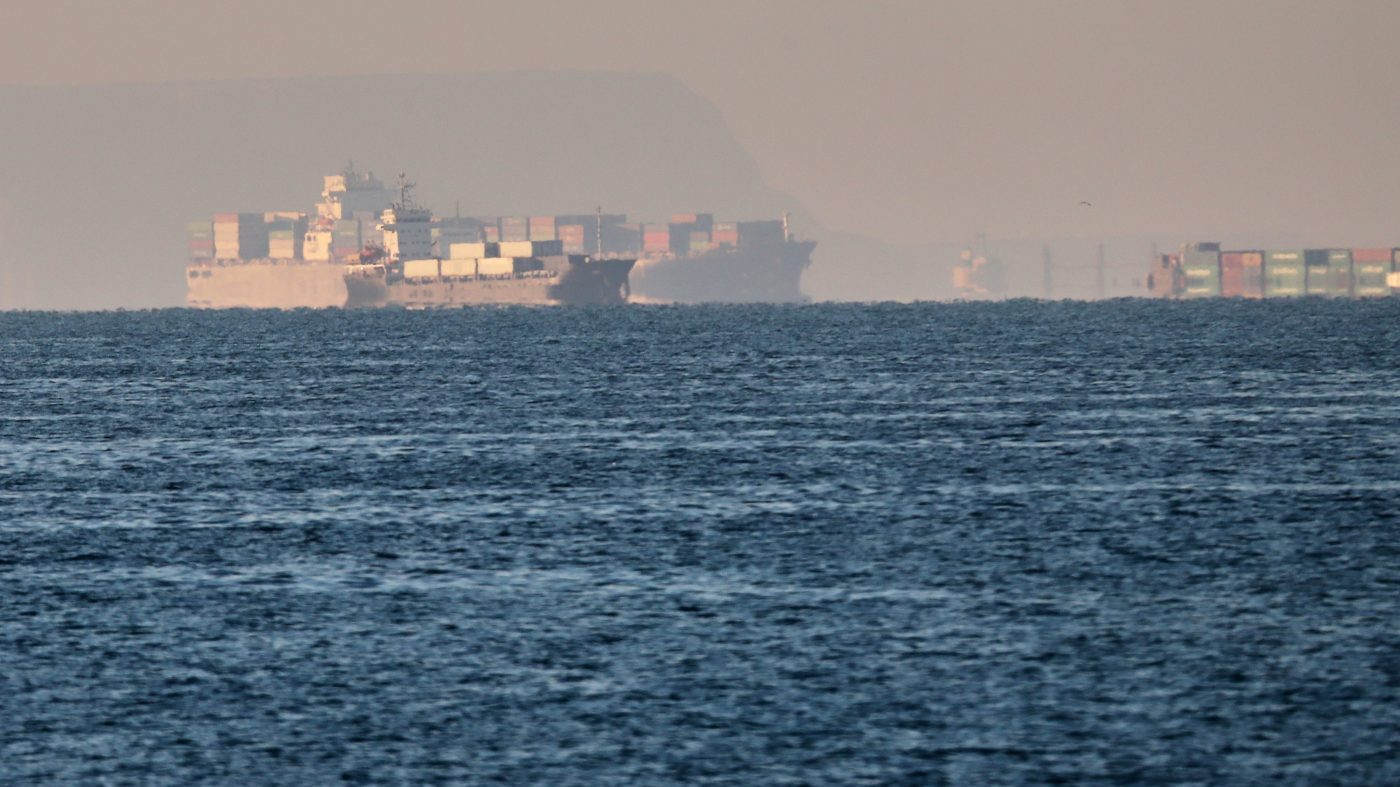
The Islamic Revolutionary Guard Corps (IRGC) announced Monday that three oil tankers traveling under escort through the Strait of Hormuz were struck by underwater mines. The IRGC Navy's public relations office told state-affiliated Fars News Agency that one vessel was hit near Iran's southern coast, with the other two targeted in the eastern section of the strait. The statement explicitly faulted the U.S. military's air cover, asserting it failed to prevent the incidents.
The IRGC warned that any transit through unauthorized routes or disregard for communicated warnings would be treated as collaboration with what it called aggressor forces. The statement, carried by Fars, said such violations would be met with a firm response under previously announced regulations.
The reported attacks come amid a significant U.S. naval buildup in the region. The USS Theodore Roosevelt arrived in the Persian Gulf last week, joining the USS George H.W. Bush and the USS George Washington carrier strike groups. The deployment underscores heightened military posture as Washington and Tehran remain locked in a cycle of retaliation.
On the same day, the Treasury Department unveiled new sanctions targeting more than two dozen Iranian exchange houses, front companies, and key personnel under what it has dubbed “Operation Economic Outcast.” The initiative, active since August, aims to cripple Iran's financial infrastructure. Treasury Secretary Scott Bessent said in a statement that “Iran's economy is underwater, and its leaders are panicking,” adding that Tehran's shadow banking system is the regime's last lifeline. He vowed to keep dismantling these networks until the “head of the snake” is buried.
This latest incident follows strikes on three other tankers in or near the Strait of Hormuz last week. Two of those vessels were hit while exiting the Persian Gulf, according to the United Kingdom Maritime Trade Operations Center, which reported no casualties. The attacks have raised concerns about the security of global oil shipping lanes.
The U.S. and Iran have engaged in tit-for-tat military actions, with domestic political pressures on both sides complicating efforts to de-escalate. Iranian strikes previously targeted a U.S. air base in Kuwait, while American forces hit Tehran's Qeshm Island in the Strait of Hormuz on Tuesday, ending a roughly two-month unofficial quiet period. The ongoing conflict has already incurred substantial costs, as the financial toll of the confrontation continues to mount.
IRGC commander-in-chief Maj. Gen. Ahmad Vahidi warned Tuesday that future fighting may not remain confined to the Middle East. He suggested, according to Fars, that the conflict could expand to other regions if necessary, signaling a potential broadening of the theater.
President Trump said last week that the U.S. military is closely monitoring Pickaxe Mountain, a fortified underground Iranian nuclear and centrifuge assembly complex south of Natanz. On Sunday, he indicated he was inclined to resume strikes after the new year if no deal is reached, despite ongoing talks. In an interview with Fox News, he dismissed Tehran's negotiating posture, saying, “All they do is talk, but it's all bulls—. They're more aggressive now than before the election,” a reference to the 2026 midterm elections.
The situation remains fluid, with diplomatic channels open but military options on the table. The political fallout from the naval strikes is already generating sharp criticism from some lawmakers. As both sides weigh next steps, the risk of a wider conflagration looms.