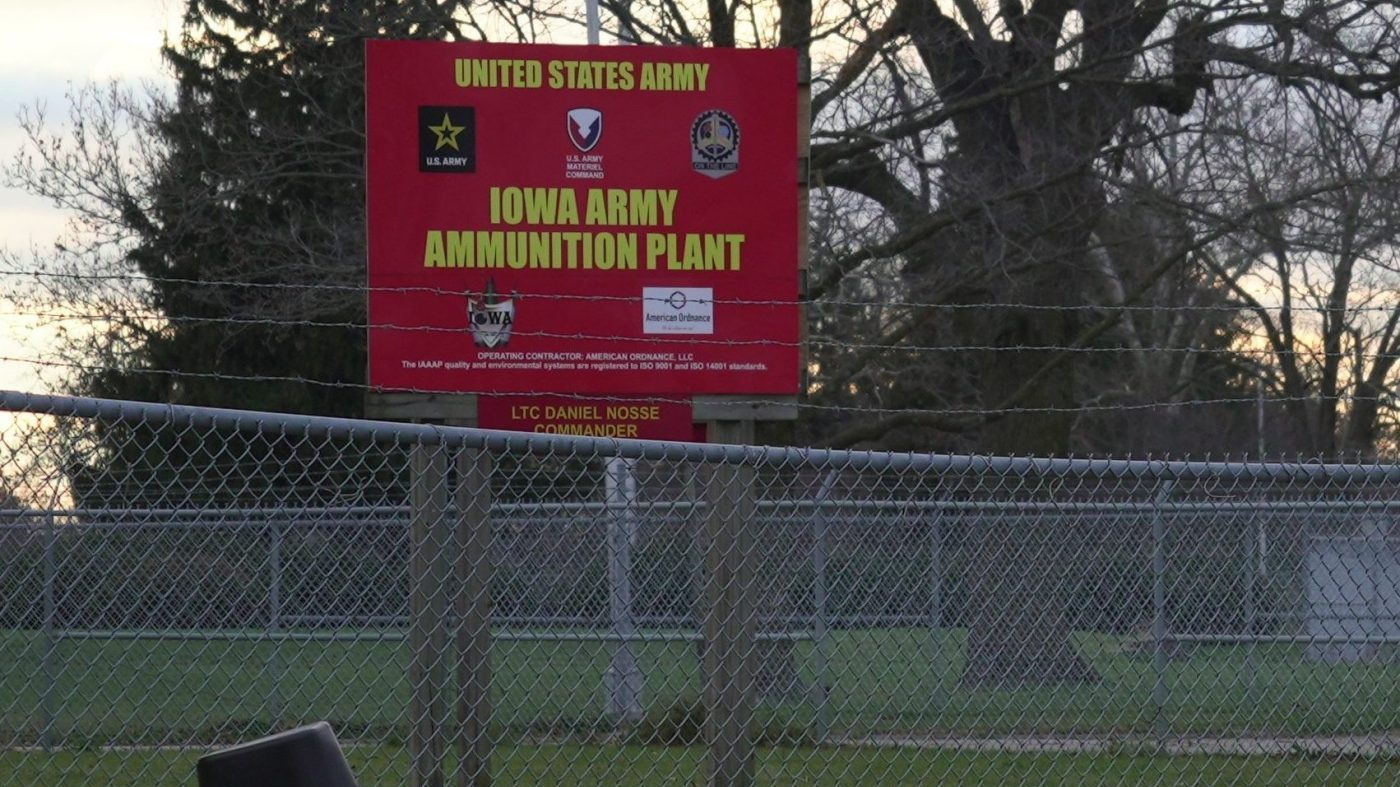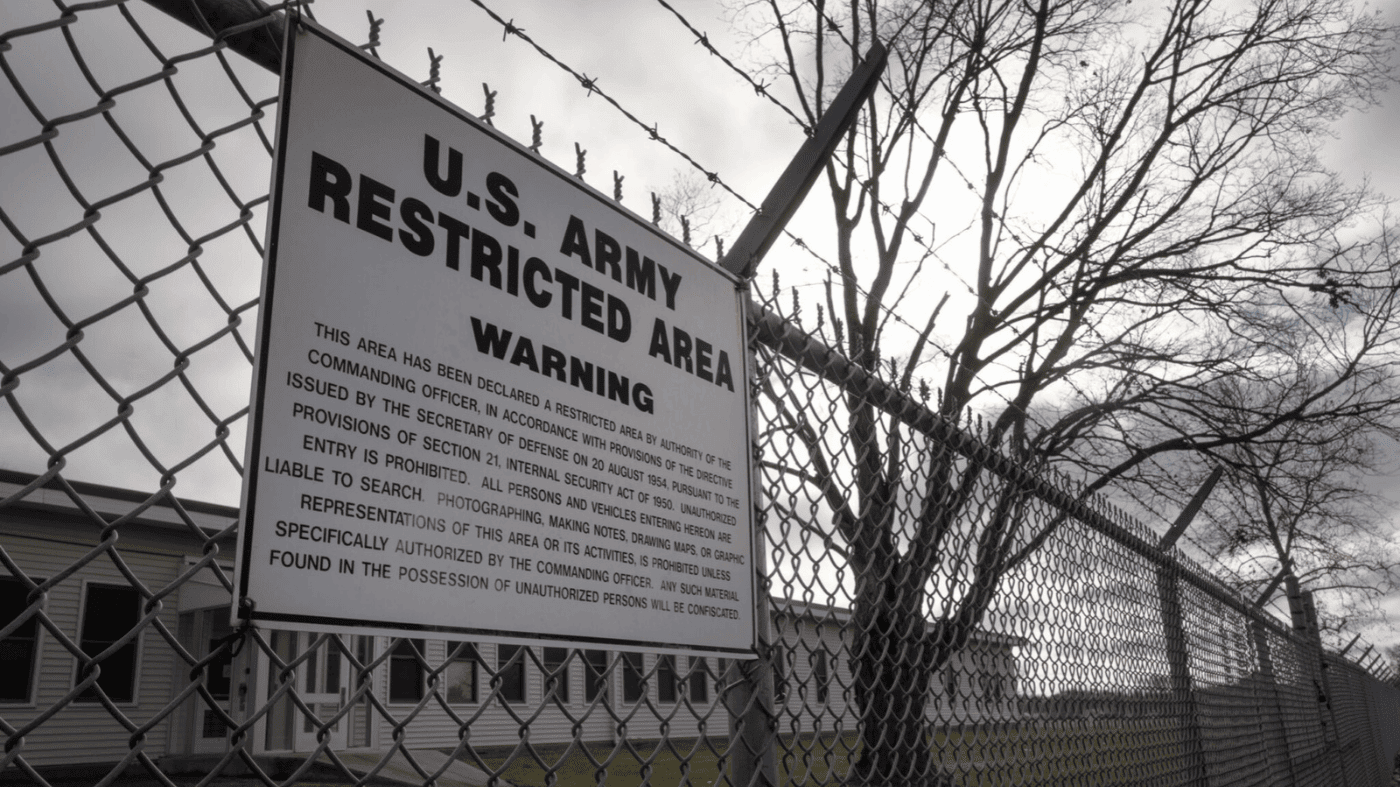
The U.S. Army is scheduled to carry out a controlled detonation of lead azide munitions at the Iowa Army Ammunition Plant in Middletown on Wednesday morning, a move that has drawn sharp criticism over health risks and the Army's handling of the deteriorating explosives.
The explosion, expected around 9 a.m. local time, will destroy 68 plastic drums of lead azide, a highly sensitive primary explosive used in detonators. The Army has warned that the blast will release a plume of lead-containing dust, with initial models suggesting it could drift southwest. To mitigate the impact, officials say they will use a water wall to absorb the blast and contain pollution.

This emergency has been brewing for decades. A 2014 Army press release referenced a 40-year-old stockpile of lead azide that was already deteriorating at the plant. Yet the Army only "uncovered" the current problem in March, according to officials. They now argue that controlled detonation is the safest option to prevent an accidental explosion that could scatter the toxic material and create a larger hazard.
Army Col. Aaron Teller explained in a court filing that inspections in April found crystallization in 58 of the drums. The lids are "no longer safe to remove because of unknown crystal growth," making it impossible to add the water-ethanol mixture that keeps the lead azide stable. Without that, the munitions are "more susceptible to freezing which can increase sensitivity of the crystals and cause an uncontrolled detonation."
Teller warned that an uncontrolled blast could result in incomplete destruction of the lead azide, leaving behind secondary explosive risks and unpredictable dispersal of the material. But critics, including Earthjustice managing attorney Rachel Rintelmann, argue the Army created this crisis through years of neglect. "This may be an emergency now, but it is an emergency of the Army's creation," Rintelmann said. "It is their mismanagement of this hazardous waste and their allowing it to deteriorate to this point that has put us in this crisis now."
The health stakes are significant. Lead is a neurotoxin, particularly dangerous to children and pregnant women. Exposure can cause brain and nervous system damage, learning disabilities, and behavioral problems in kids; in adults, it can lead to kidney damage, cardiovascular issues, and fertility problems. For pregnant women, lead exposure increases the risk of miscarriage, stillbirth, and low birth weight. Peter DeCarlo, a Johns Hopkins air pollution expert, noted that lead dust doesn't degrade. "If that dust gets transported through the air, wherever it lands ... it will be there for some time," he said, warning of long-term exposure risks, especially for young children who may ingest contaminated dust indoors.
In response, the Army has ordered the evacuation of all Middletown residents and those in a 5-mile cone extending southwest. A senior Department of Health and Human Services official stressed that children, pregnant women, and the chronically ill should leave. Those outside the evacuation zone are advised to shelter in place, closing windows and doors, turning off outside-air fans, and keeping children and pets inside. Illinois officials have recommended staying indoors for 24 to 48 hours. The timing—just before Thanksgiving, a peak travel period—has added to the disruption.
President Trump has weighed in, but his comments have been overshadowed by a political blame game with state officials. The Army and FEMA are set to brief the press on the operation, and the controversy is likely to fuel broader scrutiny of military waste management. As the detonation approaches, the focus remains on public safety and the long-term environmental consequences.