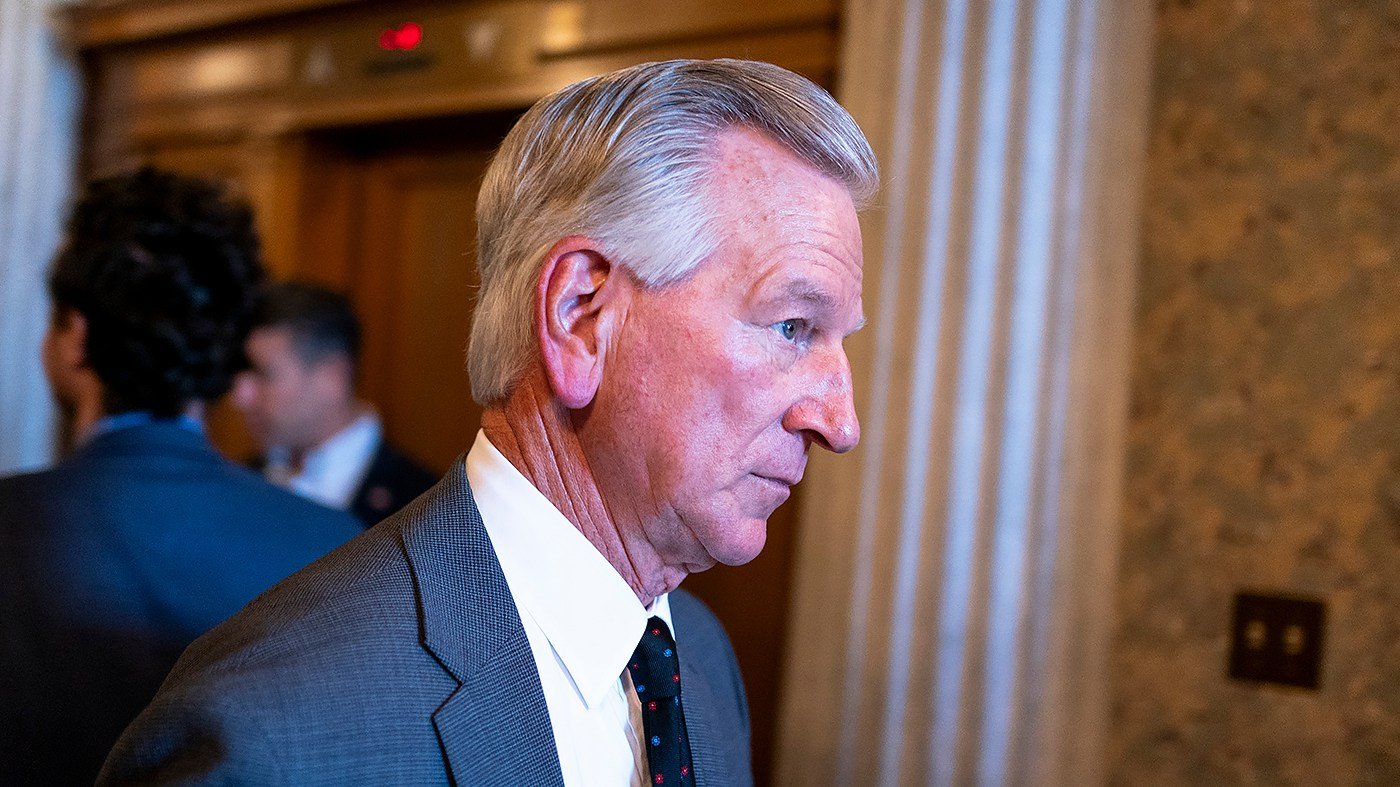
The Justice Department has formally apologized to the House's top lawyer, Matthew Berry, after federal prosecutors mischaracterized his position in court filings related to the search of Representative Ilhan Omar's residence. The apology, disclosed in new filings, acknowledges that Berry did not, as previously suggested, side with the Trump administration's argument that certain constitutional safeguards should not apply to a lawmaker's private home.
In earlier filings, DOJ prosecutors told a federal judge that Berry "refused to be involved in the search," a statement they implied aligned with their view that the Speech or Debate Clause—which shields lawmakers from scrutiny of their legislative work—does not extend to private residences. Berry, a Republican appointee to the House General Counsel's office since 2023, called that assertion "categorically false" in a statement to NewsNation.

Berry explained that in an October 11 email to a DOJ official, he had clarified that the House Office of General Counsel does not represent individuals in criminal investigations. He wrote that during a search, the target's personal attorney should advise on whether to assert privilege over materials. He added that an OGC lawyer might observe a search only to protect the House's institutional interests, not when the search occurs on private property.
The DOJ admitted on Tuesday that it misinterpreted Berry's email, conceding that he had not endorsed their position. The department issued an apology for what it called an "inadvertent misunderstanding" that had been repeated in multiple filings.
The dispute emerged after a federal court unsealed records on Monday related to the search of Omar's Washington, D.C., home last month. The heavily redacted documents revealed that investigators were looking into potential criminal violations dating back to 1980, as part of what prosecutors described as a "preindictment investigation." The records also exposed a conflict between U.S. Magistrate Judge Matthew Sharbaugh and federal prosecutors over whether the search violated the Speech or Debate Clause.
Omar, who immigrated from Somalia in 1995 and became a naturalized citizen in 2000, has not been charged with any crime and has denied the allegations. The court allowed documents detailing the ongoing investigation and the specific crimes under scrutiny to remain sealed.
The Justice Department's apology comes amid broader tensions between the administration and congressional legal offices, with disputes over the scope of executive authority and legislative privilege. Berry's clarification underscores the careful line House lawyers must walk when criminal investigations touch on members' activities.
Legal experts note that the Speech or Debate Clause has historically been interpreted to protect legislative acts, but its application to searches of personal property remains a contentious area. The DOJ's misstep highlights the stakes in such cases, where even procedural misstatements can fuel political and legal controversy.
For now, the apology resolves the immediate dispute over Berry's position, but the underlying questions about the limits of constitutional protections for lawmakers are far from settled. As the investigation into Omar continues, the interplay between criminal probes and legislative immunity will likely remain under scrutiny.