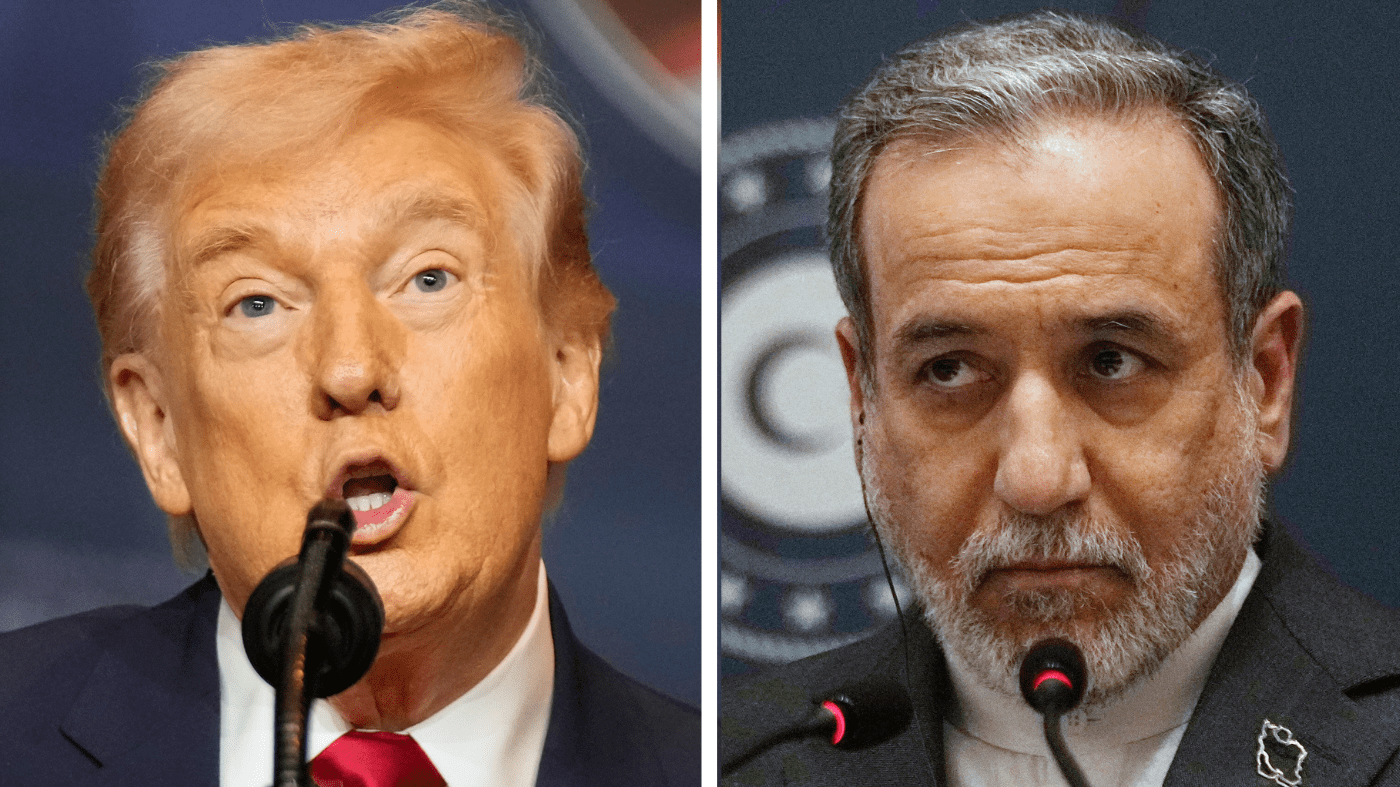
Iran leveled fresh accusations against the United States on Tuesday, charging that Washington's ongoing naval operations in the Gulf of Oman constitute a breach of a temporary ceasefire agreement. The allegations came just hours before President Donald Trump announced he would extend the fragile truce, which was set to expire Wednesday.
Iranian Diplomat Calls Blockade an 'Act of War'
Foreign Minister Abbas Araghchi, a key Iranian negotiator, took to social media to assert that the U.S. naval blockade represents "an act of war and thus a violation of the ceasefire." He specifically referenced the recent interdiction of an Iranian-flagged cargo vessel over the weekend, which followed multiple warnings from U.S. naval forces. "Striking a commercial vessel and taking its crew hostage is an even greater violation," Araghchi wrote, adding a veiled warning: "Iran knows how to neutralize restrictions, how to defend its interests, and how to resist bullying."
The U.S. military has maintained a significant presence around the Strait of Hormuz, a critical global chokepoint for oil shipments. According to U.S. Central Command, American forces have redirected 28 commercial vessels since the blockade began two weeks ago. President Trump has stated the U.S. would maintain the blockade "until a deal is signed," underscoring the strategic importance of the waterway in the ongoing confrontation.
Ceasefire Extended Amid Stalled Negotiations
The two-week ceasefire, established on April 7, was on the brink of collapse as a second round of Pakistan-mediated talks faltered. Tehran's refusal to commit to participating led the White House to delay a planned trip by Vice President J.D. Vance to Islamabad, where he was to be joined by special envoy Steve Witkoff and senior advisor Jared Kushner.
In a reversal, President Trump announced the ceasefire extension on Tuesday afternoon via his social media platform. He stated that Pakistani Field Marshal Asim Munir and Prime Minister Shehbaz Sharif had requested the U.S. "hold our attack on the Country of Iran until such time as their leaders and representatives can come up with a unified proposal." This move represents a significant shift from his previous insistence that he was unlikely to agree to an extension without a concrete deal. For more on the initial extension, see our report on Trump's decision to maintain the military pressure while extending diplomatic timelines.
"I have therefore directed our Military to continue the Blockade and, in all other respects, remain ready and able, and will therefore extend the Ceasefire until such time as their proposal is submitted, and discussions are concluded, one way or the other," the president wrote.
Regional Diplomacy and Military Posture
The diplomatic push from Pakistan included a Monday meeting where Foreign Affairs Minister Mohammad Ishaq Dar urged both Washington and Tehran to extend the ceasefire and "give dialogue and diplomacy a chance" during discussions with Natalie Baker, the deputy chief of the U.S. embassy in Pakistan.
The situation highlights the complex interplay of military force and diplomacy in the region. The U.S. posture, including the sustained blockade, aligns with the administration's broader substantial defense funding requests aimed at projecting global power. Meanwhile, the crisis in the Strait of Hormuz has drawn sharp criticism from some lawmakers, with Senator Ed Markey previously accusing the Trump administration of creating an 'energy apocalypse' in the vital shipping lane.
The extension provides a temporary reprieve but leaves fundamental issues unresolved. The U.S. maintains its coercive naval presence, which Iran deems a violation, while diplomatic channels remain open but fragile. The coming days will test whether this pressured negotiation, facilitated by a third party, can yield a longer-term agreement or if the region will slide back toward open hostility.