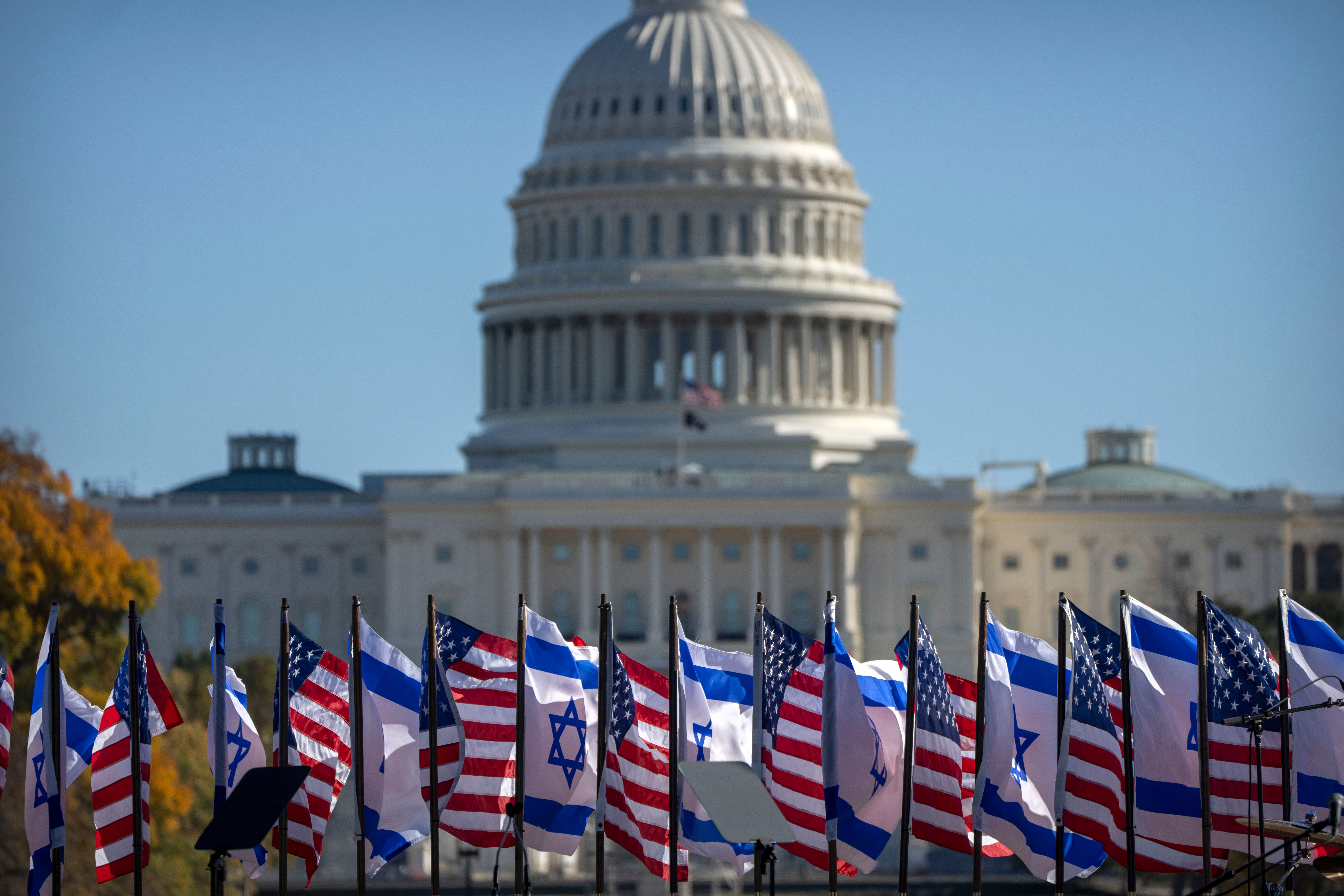
The House of Representatives on Sept. 3 passed the Protect Economic and Academic Freedom Act, a bill that would strip federal student aid from institutions that participate in boycotts of Israel. The 237-169 vote, largely along party lines, has ignited a fierce debate over the limits of political speech and the role of government in campus affairs.
The legislation, introduced by Republicans, targets the Boycott, Divestment and Sanctions (BDS) movement, which has gained traction on college campuses. Proponents argue that taxpayer dollars should not support institutions that discriminate against Israel or Israeli students. But critics, including some Democrats and civil liberties advocates, contend the measure is an unconstitutional infringement on free expression.
“This bill is not about protecting students or fostering dialogue,” said Rep. Jerry Nadler (D-NY). “It’s about advancing a partisan agenda that stifles dissent and punishes campuses for exercising their First Amendment rights.” Nadler’s remarks echoed concerns that the bill’s language is overly broad and could chill legitimate political activity.
The bill requires colleges receiving federal aid to certify that students are not “unreasonably obstructed” from participating in academic programs in Israel. It also prohibits institutions from engaging in “nonexpressive” boycotts of Israel, a distinction that legal experts say is vague and could be used to target a wide range of activities.
Republicans framed the vote as a show of support for Israel, a key ally. “Our colleges should not be platforms for anti-Israel hatred,” said a GOP spokesperson. “This legislation ensures that federal funds are not used to undermine our closest ally in the Middle East.” Thirty-three Democrats crossed party lines to support the bill, joining all but two Republicans.
But the measure has drawn sharp criticism from free speech advocates and some constitutional scholars. “This is a textbook case of coercion,” said Austin Sarat, a political science professor at Amherst College. “The Supreme Court has long held that conditions on federal spending must be germane to the program’s purpose. Tying student aid to Israel policy fails that test.”
In South Dakota v. Dole (1987), the Court ruled that Congress can attach conditions to federal funds, but those conditions must be related to the federal interest and cannot be so coercive as to violate constitutional rights. Critics argue the Israel boycott measure violates both prongs.
The bill’s passage comes amid a broader fracturing of the Israel consensus in both parties, with younger voters and progressive activists increasingly sympathetic to Palestinian causes. Recent polls show that Americans now view the Palestinian side more favorably than Israel, a dramatic shift from just a few years ago.
On campuses, BDS campaigns have moved from the fringe to the mainstream, with student groups pushing for divestment and academic boycotts. The U.S. Campaign for the Academic and Cultural Boycott of Israel has been a key organizer. While many critics, including Sarat, oppose BDS on the merits, they argue that the government should not use the power of the purse to suppress political speech.
“The boycott movement is wrong-headed, but punishing it is worse,” Sarat wrote in a recent analysis. “It feeds the political arson being committed against higher education and undermines the very principles of free expression that universities are supposed to uphold.”
The bill now heads to the Senate, where its fate is uncertain. Democrats, particularly those in swing states, will face pressure to take a stand. Nadler urged his colleagues to reject the measure, saying, “We should be working to persuade people that boycotts are counterproductive, not criminalize them.”
As the debate continues, the bill’s long-term impact remains unclear. But one thing is certain: the intersection of Israel policy, campus activism, and federal funding is becoming a flashpoint in American politics, one that is likely to intensify as the 2028 election approaches.