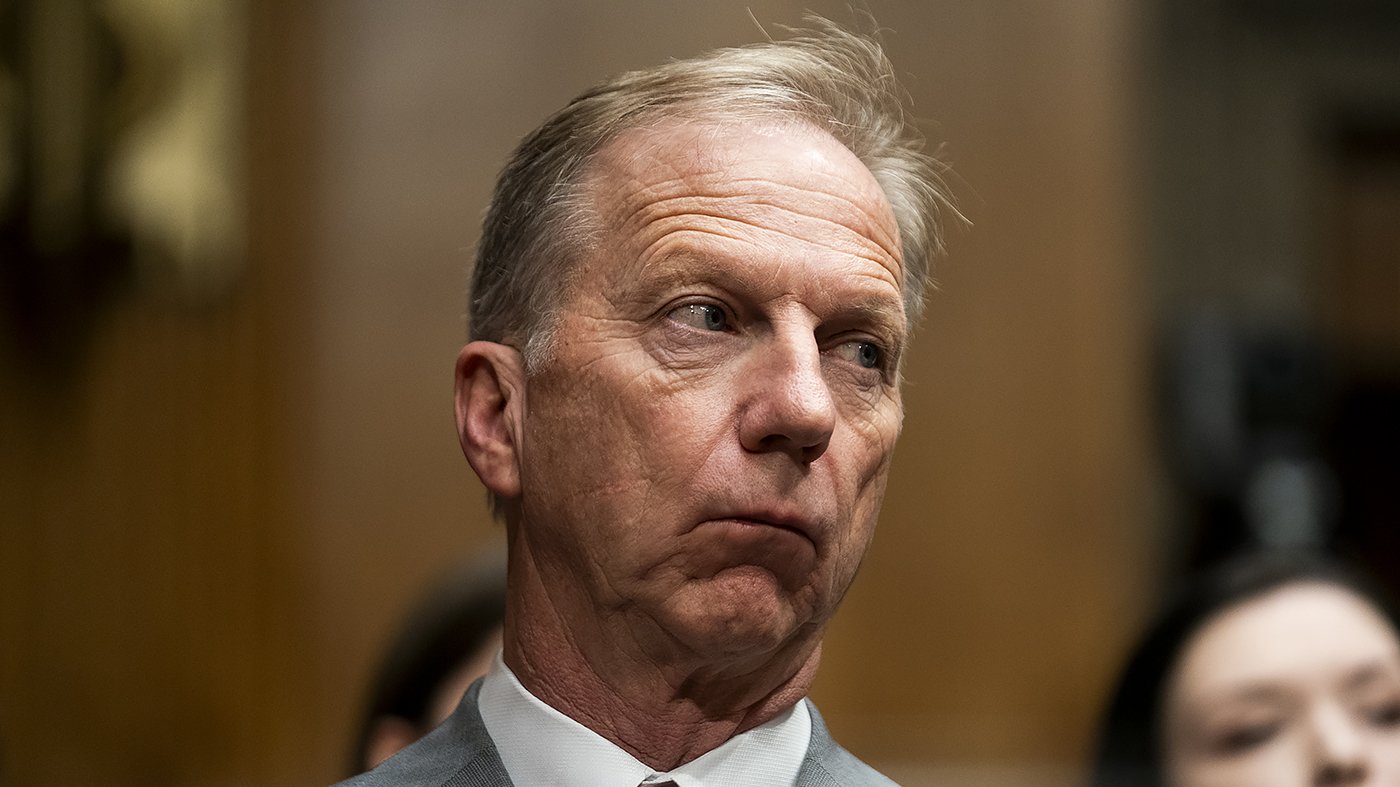
Rep. Kevin Hern (R) is cruising toward victory in Oklahoma's Republican Senate primary, positioning himself to succeed Homeland Security Secretary Markwayne Mullin. Hern's campaign gained decisive momentum after he secured former President Donald Trump's endorsement, effectively pushing aside potential rivals and consolidating GOP support.
The primary, which concludes with polls closing at 8 p.m. EDT, is largely a formality in the deeply conservative state. Hern's path to the Senate nomination was smoothed when Mullin vacated the seat to join the Trump administration as Homeland Security Secretary. With Trump's backing, Hern became the de facto frontrunner, and no serious challenger emerged to threaten his bid.
On the Democratic side, a handful of candidates are competing for their party's nomination, though the general election is expected to be a foregone conclusion. Oklahoma's ruby-red electorate has not elected a Democrat to the Senate since 1990, and Hern is widely expected to win in November.
Hern, a five-term congressman from Tulsa, has aligned himself closely with Trump's agenda, emphasizing border security, energy independence, and conservative fiscal policies. His campaign has focused on his record in the House, where he chairs the Republican Study Committee and has been a vocal critic of the Biden administration's spending and regulatory policies.
The Oklahoma Senate race is part of a broader slate of primaries being tracked by Decision Desk HQ, including the Oklahoma GOP governor primary, where Trump-backed candidate Mazzei faces a crowded field. Analysts are also watching the D.C. mayor primary, where progressive candidates are testing ranked-choice voting.
Hern's likely victory underscores the continued influence of Trump's endorsement in Republican primaries, even as the former president faces legal challenges and a crowded 2024 field. The Oklahoma race also highlights the GOP's focus on consolidating power in safe seats, avoiding divisive intra-party battles that could weaken candidates in the general election.
With Mullin's departure to the Department of Homeland Security, Hern's transition to the Senate would bring a reliably conservative voice to the upper chamber. His policy priorities include cutting federal regulations, boosting domestic energy production, and opposing what he calls the "radical left" agenda of the Biden administration.
As results come in, political observers will be watching for turnout patterns and any signs of unexpected shifts. However, the outcome in Oklahoma's Senate primary appears settled, with Hern set to claim the nomination and move toward a November victory that will solidify the GOP's hold on the seat.