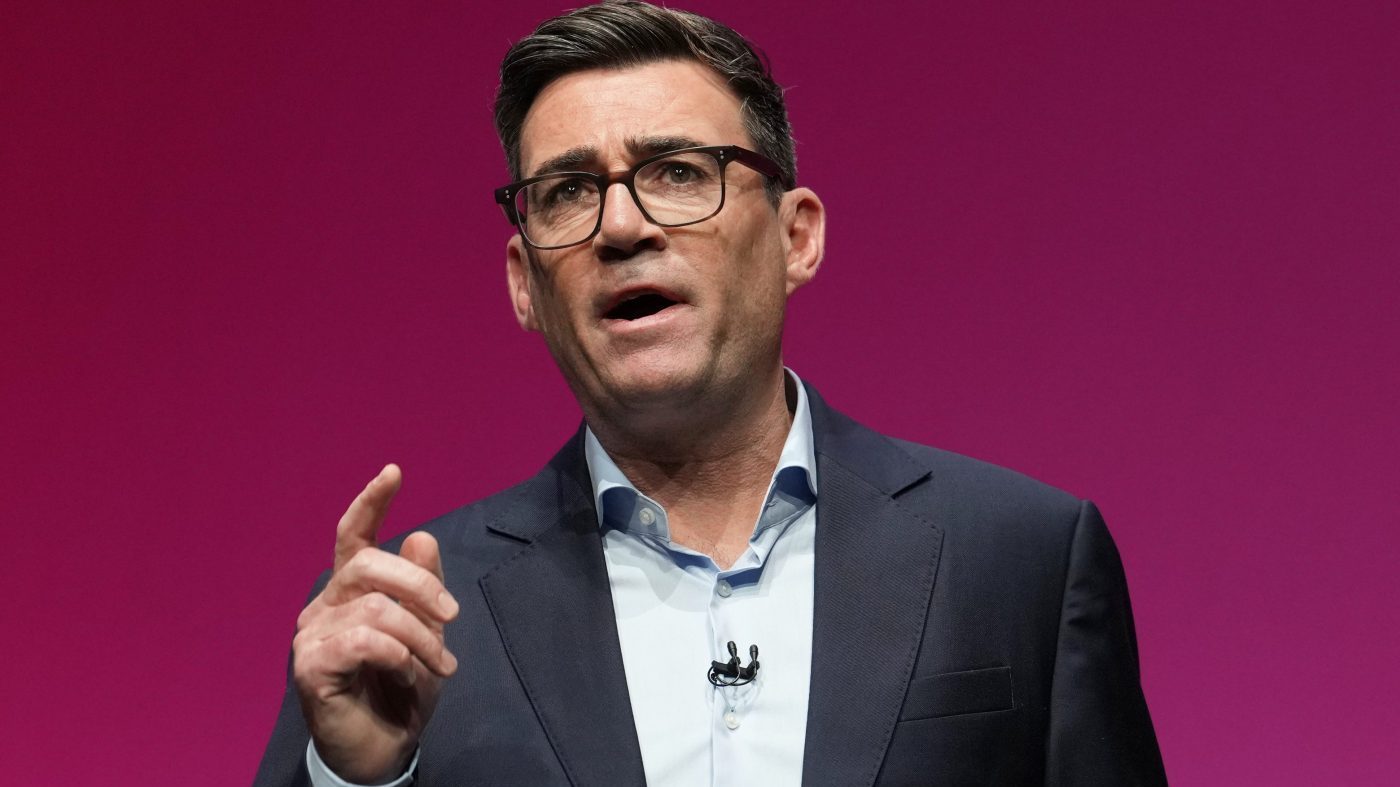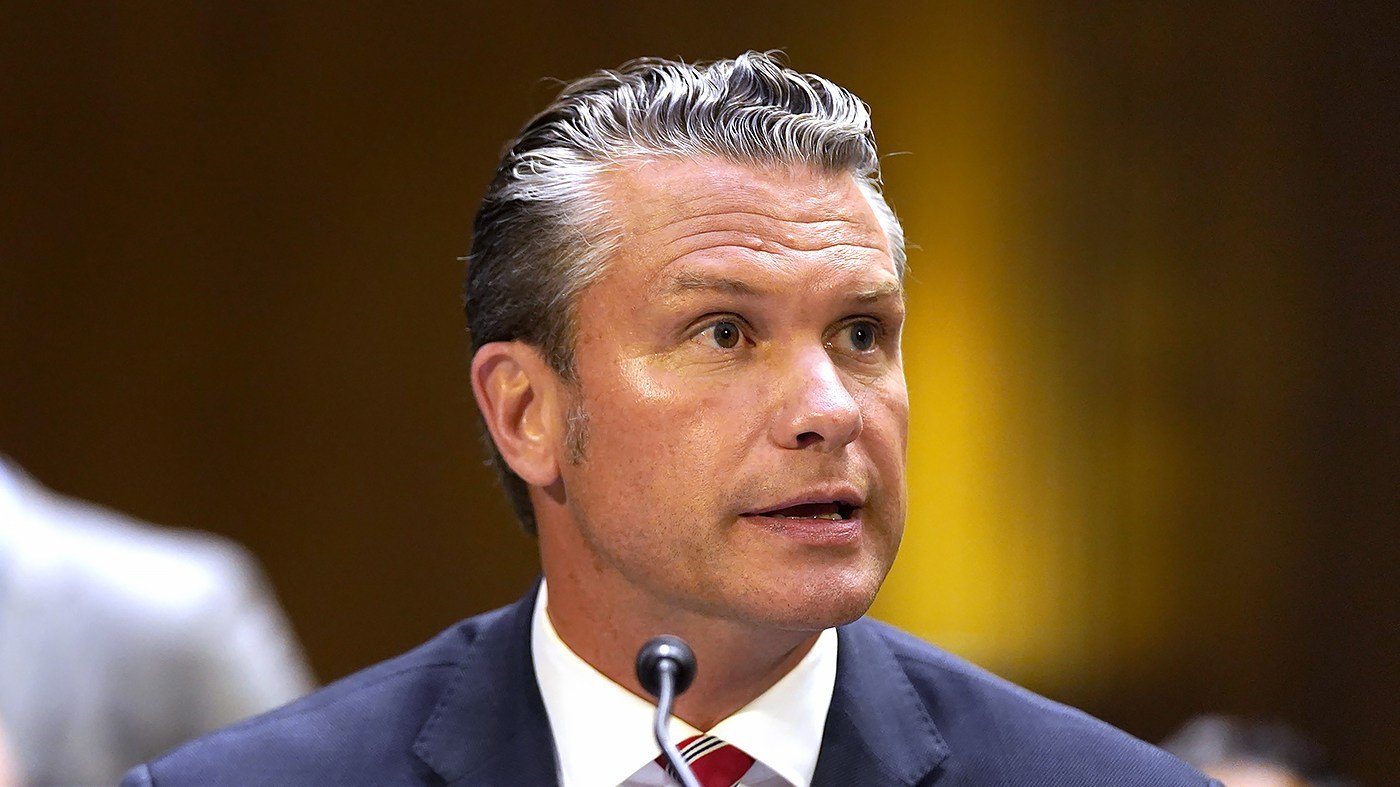
Defense Secretary Pete Hegseth is set to deliver the annual State of the Force address on Wednesday, using the platform to unveil a major restructuring of the Pentagon's senior leadership. The speech, scheduled for 3 p.m. EDT at Marine Corps Base Quantico in Virginia, is expected to formalize a plan to reduce the number of general and admiral positions by 20 percent—doubling the reduction he ordered last year.
This move is part of a broader effort by the Trump administration to streamline the military's upper echelons and redirect resources toward operational readiness. Hegseth has already taken steps to trim senior leadership, including freezing tenured civilian hiring at military academies, a decision that has sparked debate within defense circles about the impact on education and research.
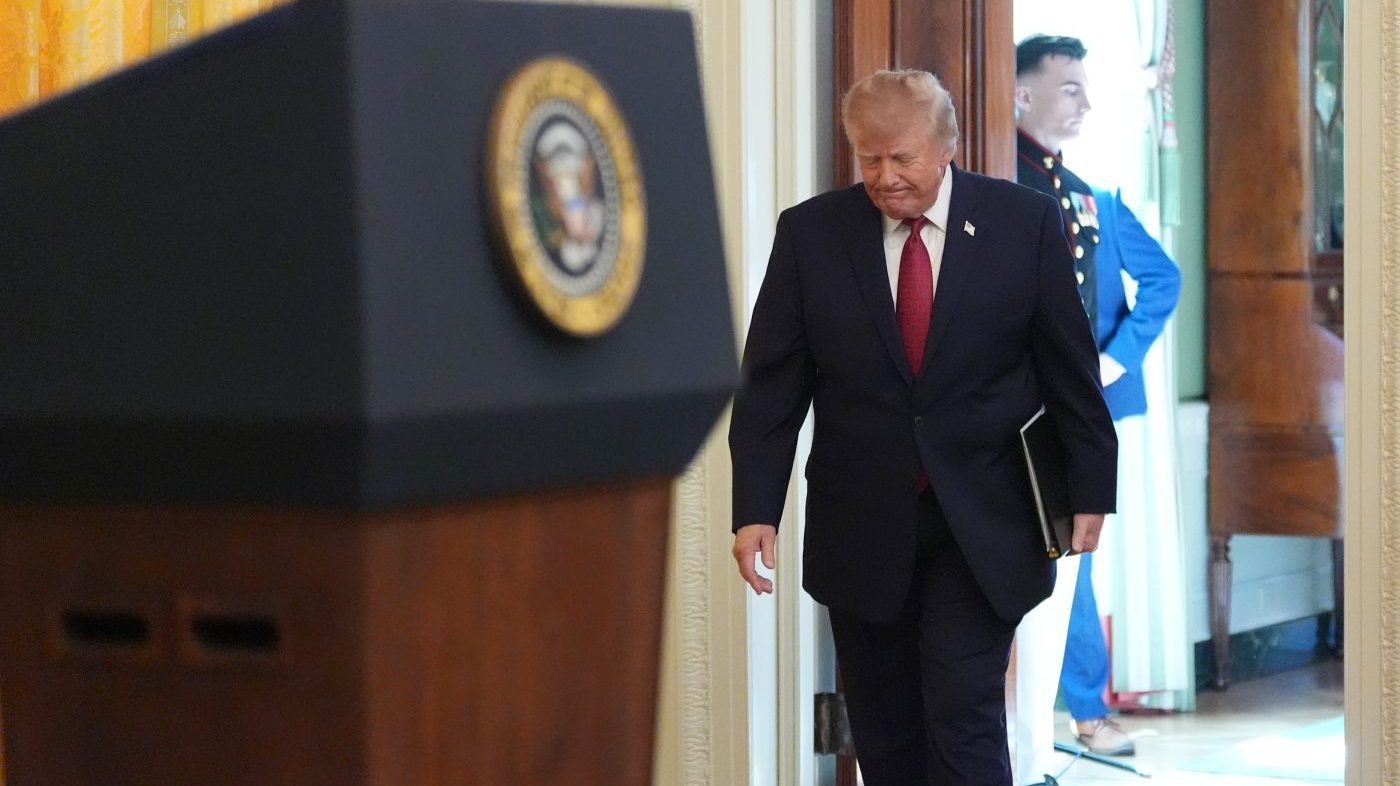
The 20 percent cut in senior officer billets is a significant escalation of the administration's push to reshape the Pentagon's hierarchy. Critics argue that such drastic reductions could strain command structures and hurt morale, while supporters contend that the military has become top-heavy and needs to be more agile.
In addition to the personnel cuts, Hegseth has directed the department to bolster its election integrity efforts, instructing officials to use "advanced intelligence and cyber capabilities to track down, disrupt and neutralize foreign actors" ahead of the 2026 midterm elections. This directive, announced last week, aligns with the administration's broader focus on countering foreign interference in U.S. democratic processes.
The State of the Force address comes at a time of heightened global tensions, with the Pentagon managing ongoing commitments in Europe, the Middle East, and the Indo-Pacific. Hegseth is expected to frame the restructuring as essential to maintaining military superiority in an era of great-power competition.
Observers will be watching for specifics on how the cuts will be implemented, including which billets will be eliminated and how the savings will be reallocated. The address also follows a series of high-level changes at the Pentagon, including a permanent defense pact with Denmark and Greenland that bolsters Arctic presence, signaling the administration's strategic priorities.
Hegseth's speech is part of a broader pattern of the Trump administration's aggressive overhaul of federal institutions. From the State Department to the Pentagon, the administration has moved quickly to implement its agenda, often bypassing traditional bureaucratic channels. This has led to concerns about the politicization of the military, though administration officials insist the changes are necessary to eliminate inefficiencies.
The event at Quantico will be streamed live, allowing the public to hear directly from the Defense Secretary. As Hegseth lays out his vision, the reaction from lawmakers, military leaders, and foreign allies will be closely monitored. The 20 percent cut in senior officer positions is a bold statement of intent, but its long-term implications for the U.S. military's structure and effectiveness remain to be seen.