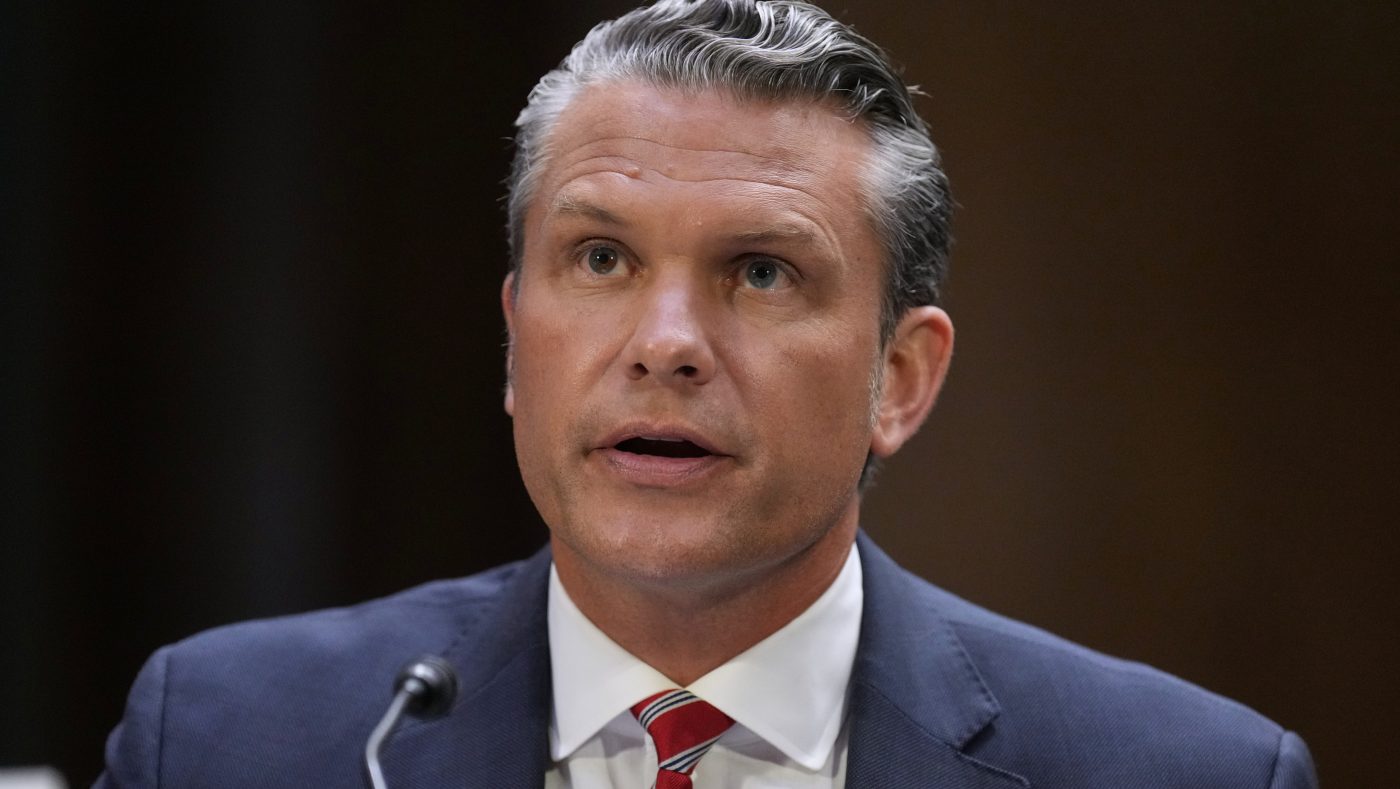
Defense Secretary Pete Hegseth is set to arrive in Panama on Wednesday for a series of high-level meetings, including with President José Raúl Mulino and senior Colombian officials, as the Pentagon pushes to expand its security footprint across Central and South America.
The trip, announced Tuesday by the Pentagon, marks Hegseth's second visit to Panama in under a year. He will headline the Americas Counter Cartel Coalition (A3C) Forum, a U.S.-led multinational effort aimed at coordinating military and security operations against transnational criminal organizations, particularly drug cartels operating in the region.
A3C, also known as the Shield of the Americas, was formally launched in early March. President Trump tapped Kristi Noem, the former Homeland Security secretary, to serve as the U.S. envoy to the coalition.
During his first visit in April 2025, Hegseth signed a memorandum of understanding to boost security cooperation with Panama and a joint declaration on the security and operation of the Panama Canal. At the time, he framed the canal as a critical strategic asset that must remain free of Chinese influence.
"The era of capitulating to coercion by the communist Chinese is over," Hegseth said then. "China's growing and adversarial control of strategic land and critical infrastructure in this hemisphere cannot and will not stand."
"The Panama Canal is key terrain that must be secured by Panama, with America, and not China," he added.
The renewed focus on Panama comes amid ongoing tensions over the waterway. Trump has repeatedly suggested the U.S. should reclaim control of the canal, a stance that has complicated regional diplomacy.
On Tuesday, the Pentagon reported that a Navy MH-60 helicopter fired two Hellfire missiles into the steering area of the Panama-flagged tanker Vela Nova, disabling the vessel after it allegedly attempted to breach the U.S. naval blockade in the Strait of Hormuz. The incident underscores the widening scope of U.S. military operations in the region.
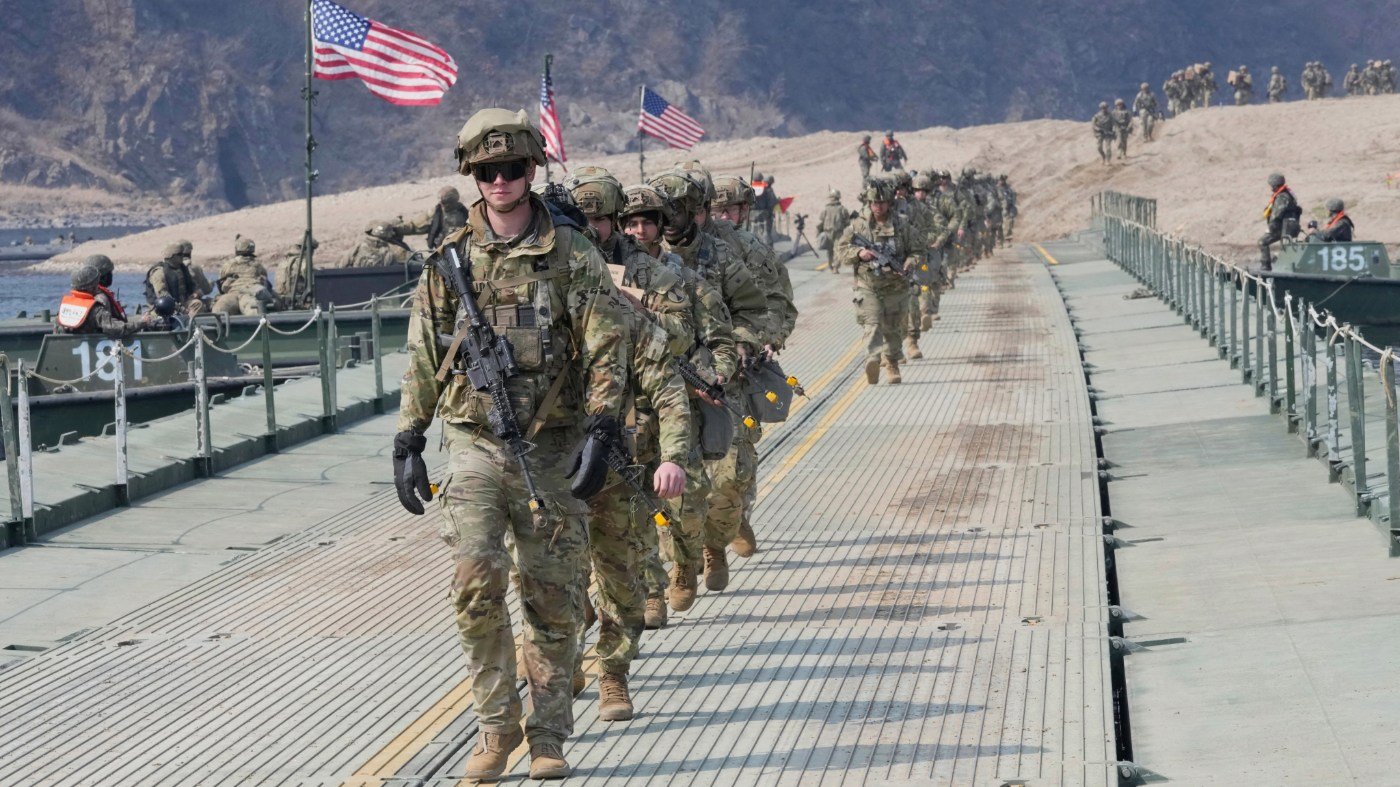
Hegseth's itinerary also includes visits with U.S. troops at the Jungle Operations Training Course and observation of PANAMAX exercises. The U.S. military revived jungle warfare training in Panama last fall after a two-decade hiatus, aiming to prepare forces for combat in dense tropical environments.
PANAMAX 2026, hosted by Panama and sponsored by U.S. Southern Command (Southcom), began Aug. 3 and runs through Thursday. It involves 18 partner nations, including Argentina, Belize, Brazil, Chile, Colombia, Costa Rica, the Dominican Republic, Ecuador, El Salvador, Guatemala, Honduras, and Jamaica.
Earlier this month, Southcom stood up Joint Task Force Western Hemisphere (JTF-WHEM), a new command designed to synchronize U.S. military operations with allied forces, improve crisis response, and counter regional threats. The task force is intended to integrate capabilities with the A3C's 18 partner nations.
"JTF-WHEM strengthens our ability to work alongside trusted allies and partners, synchronize military capabilities and apply sustained pressure against the networks that threaten our collective security," said Southcom Commander Gen. Francis L. Donovan.
Donovan recently transited the Panama Canal aboard the destroyer USS Gridley, his first visit to Panama since assuming command. The trip signals the Pentagon's growing emphasis on the canal as a linchpin of hemispheric security.
The visit also comes as Hegseth faces scrutiny over other defense priorities. Reports of a munitions shortage dispute have surfaced, though Trump has publicly backed his defense secretary. Meanwhile, Senate Republicans have signaled trouble for Hegseth's pick for Army chief, raising questions about his agenda.