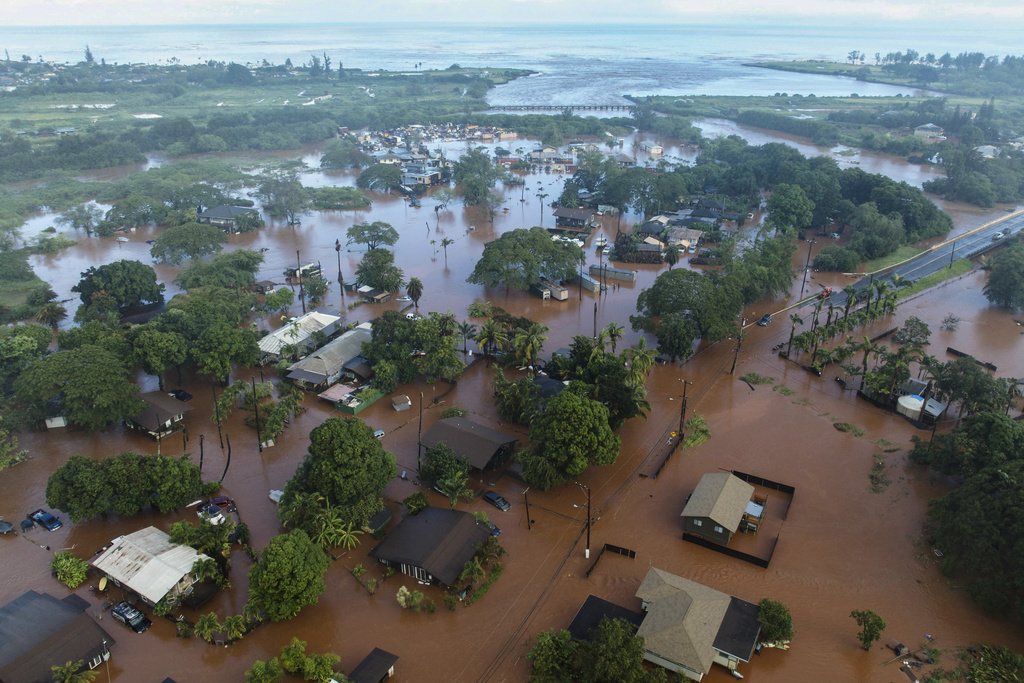
Honolulu emergency officials issued a mandatory evacuation order early Friday for communities downstream of the 120-year-old Wahiawa Dam on Oahu's North Shore, warning of imminent failure and "life-threatening" flooding. The directive, which covers the Waialua and Haleiwa areas, came as relentless rainfall pushed water over the dam's spillway, creating what officials described as a catastrophic threat to more than 4,000 residents.
"The water is actively running over the spillway right now," said Molly Pierce, spokesperson for the Honolulu Department of Emergency Management. She noted the evacuation order was issued at 5:35 a.m. local time, with residents urged to carpool due to heavy traffic while fleeing rising waters that have already damaged homes. Emergency sirens were activated across the region.

Infrastructure Under Pressure
The crisis highlights vulnerabilities in Hawaii's aging infrastructure. The Wahiawa Dam, like many of the 132 state-regulated dams, was originally built for the sugar cane industry's irrigation systems. A 2019 report by the American Society of Civil Engineers had previously flagged concerns about such infrastructure. While officials issued a warning for the dam during heavy rains last week, the threat escalated dramatically with the latest storm system.
Governor Josh Green activated the Hawaii National Guard to respond to the flooding, describing chest-high waters in some areas. "The storm of course is very severe right now, particularly on the northern part of Oahu," Green said in a social media post. "It's going to be a very touch-and-go day." The state's response mirrors other federal and local emergency mobilizations, such as the recent confirmation of a new DHS secretary during a government shutdown, where crisis management takes precedence amid operational challenges.
Residents Face Repeated Threats
For local residents, the dam's fragility is a recurring fear. "Just pray for us," said Waialua resident Kathleen Pahinui, who was preparing to evacuate to a friend's home on higher ground. "We understand there's more rain coming." Pahinui told The Associated Press the aging structure is a concern every time heavy rains hit the island, pointing to a broader pattern of communities living with deteriorating public works.
The National Weather Service extended a flash flood warning for Oahu until 8 a.m., noting that although rainfall rates had temporarily decreased, significant runoff continued to produce dangerous flooding. The situation underscores how climate volatility is straining legacy systems not designed for current weather extremes. This domestic emergency occurs against a backdrop of global instability, where international conflicts have prompted worldwide travel alerts from the State Department, reflecting interconnected security and environmental risks.
Officials have emphasized the potential for "catastrophic amounts of fast moving water" should the dam breach, urging all residents in the evacuation zone to leave immediately. The order represents one of the largest emergency displacements in recent Hawaii history, testing local and state response capabilities. The activation of the National Guard signals the severity of the threat, placing the event in the context of other major domestic operations.
As the situation develops, the focus remains on preventing loss of life and managing the immediate flooding. The event serves as a stark reminder of the nation's infrastructure challenges, where century-old systems face unprecedented environmental pressures. The response and aftermath will likely fuel further policy debates on infrastructure investment and climate resilience, much as recent Pentagon media access disputes have highlighted tensions between security protocols and public transparency during crises.